


Home>
We stand for a world where health and self-determination are a given for everyone. Will you join us?
What we’re achieving together
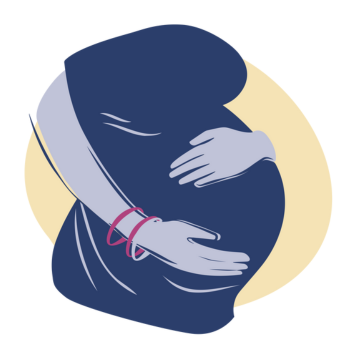
women gave birth to their children with good medical care in 2025.
17424
women studied midwifery in 2025 thanks to scholarships.
131
women with birth injuries received curative surgery in 2025.
1068
people exchanged views on the topic of gender-based violence in 2025.
134900
Join us in making a difference in countries with high maternal mortality
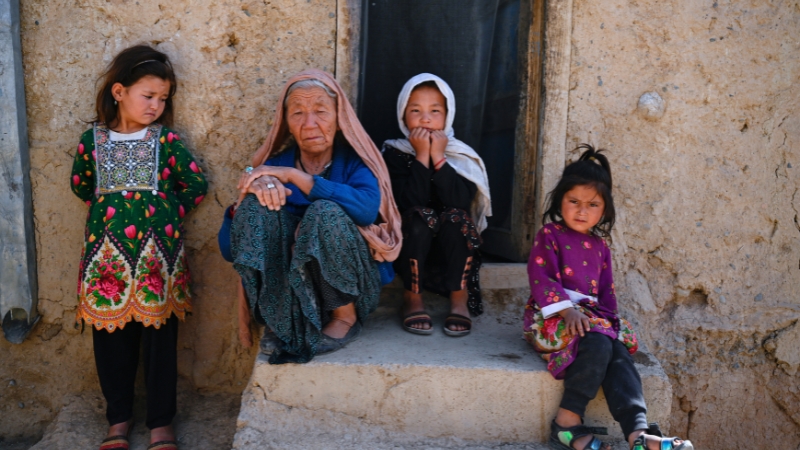
Afghanistan
Afghan women have been fighting for their rights for decades – the return of the Taliban has made their situation worse than ever. Taking a low-threshold approach, we support them in broadening their scope for action.
Ethiopia
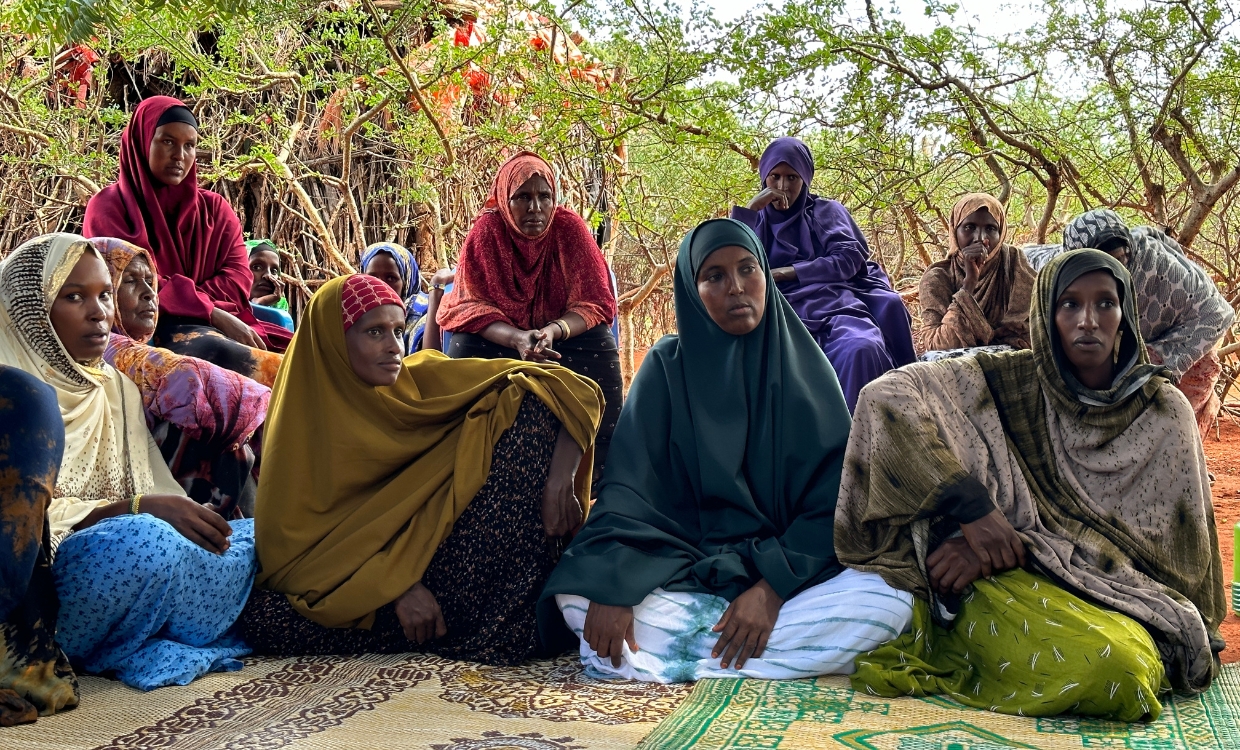
Access to rights and medical care is precarious for women in Ethiopia in any case, and armed conflicts further exacerbate the situation. That is why we campaign on multiple fronts for the health and rights of girls and women.
Bangladesh
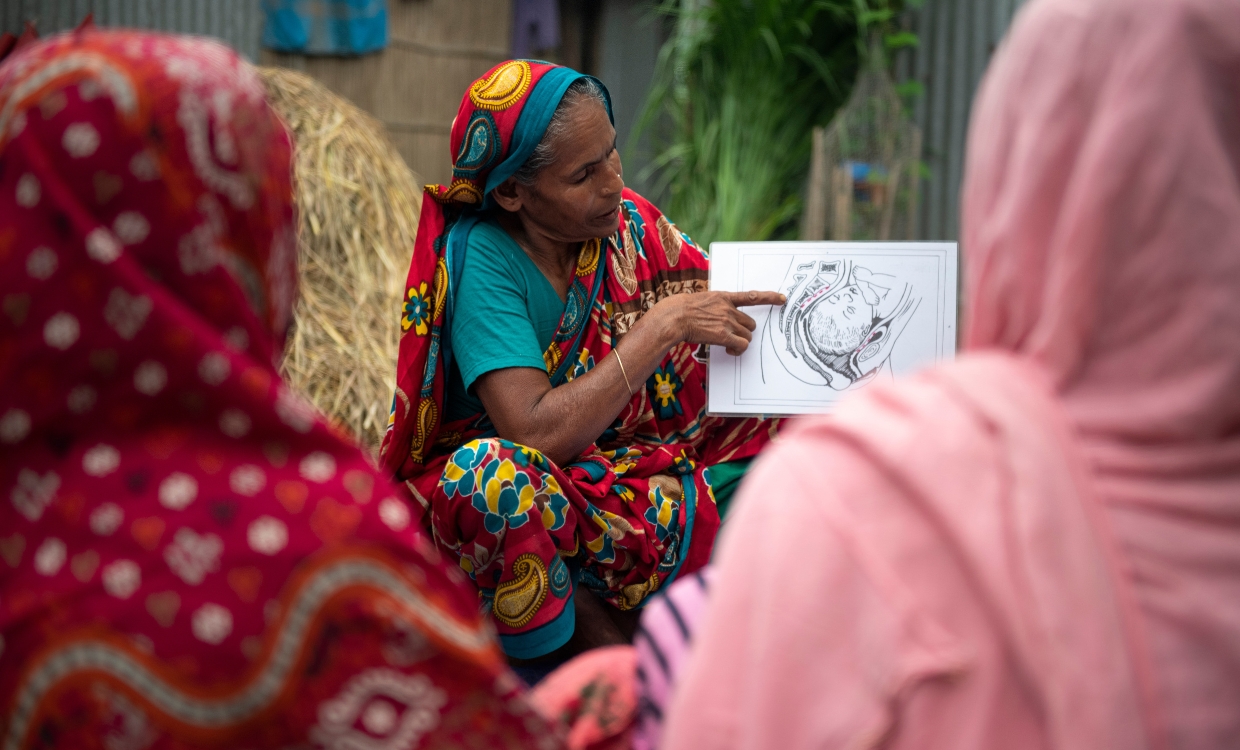
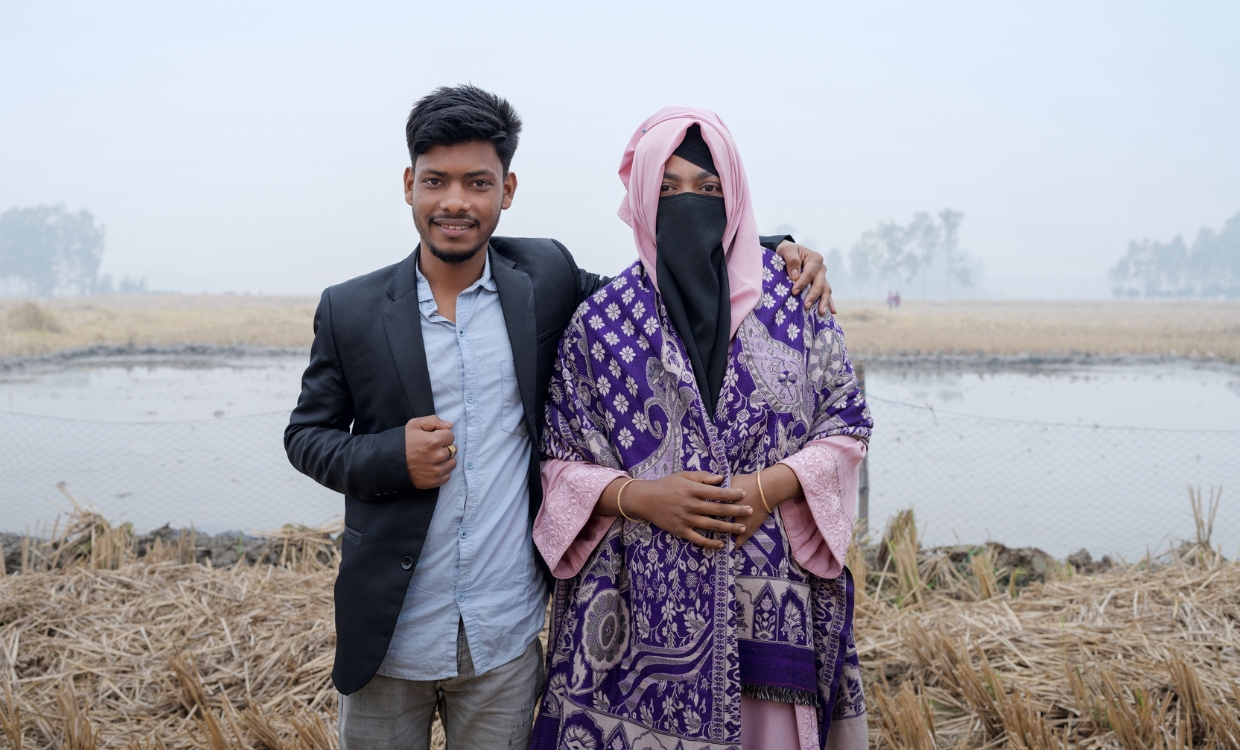
Girls in Bangladesh are particularly vulnerable: many are married off early and have almost no access to education or medical care. That is why we are committed to fostering self-determination in women and strengthening the provision of healthcare.
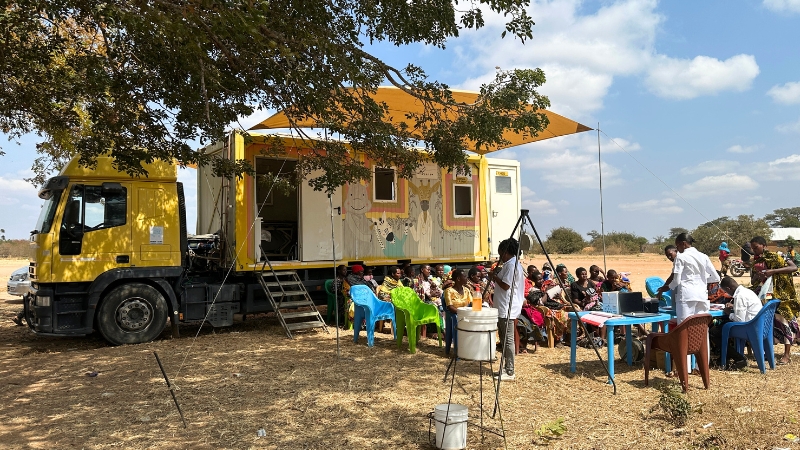
Tanzania
Tanzania has made progress in the healthcare sector in recent years. However, access to healthcare remains inadequate, particularly in rural areas. Together with our local partner, we are working to ensure that particularly pregnant women, mothers and newborns, have access to essential healthcare services.
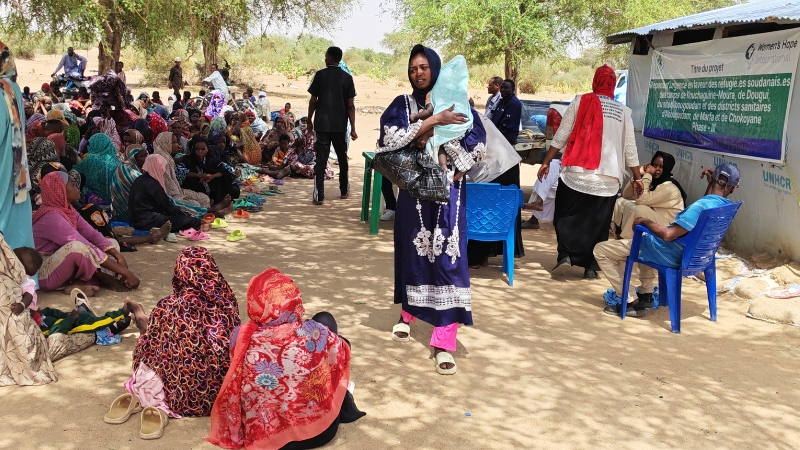
Chad
The already weak healthcare system in eastern Chad is under enormous strain from the influx of Sudanese war refugees. We strengthen the provision of healthcare, offer emergency relief and support women with obstetric fistulas.
© Hanspeter Bärtschi/WHI
