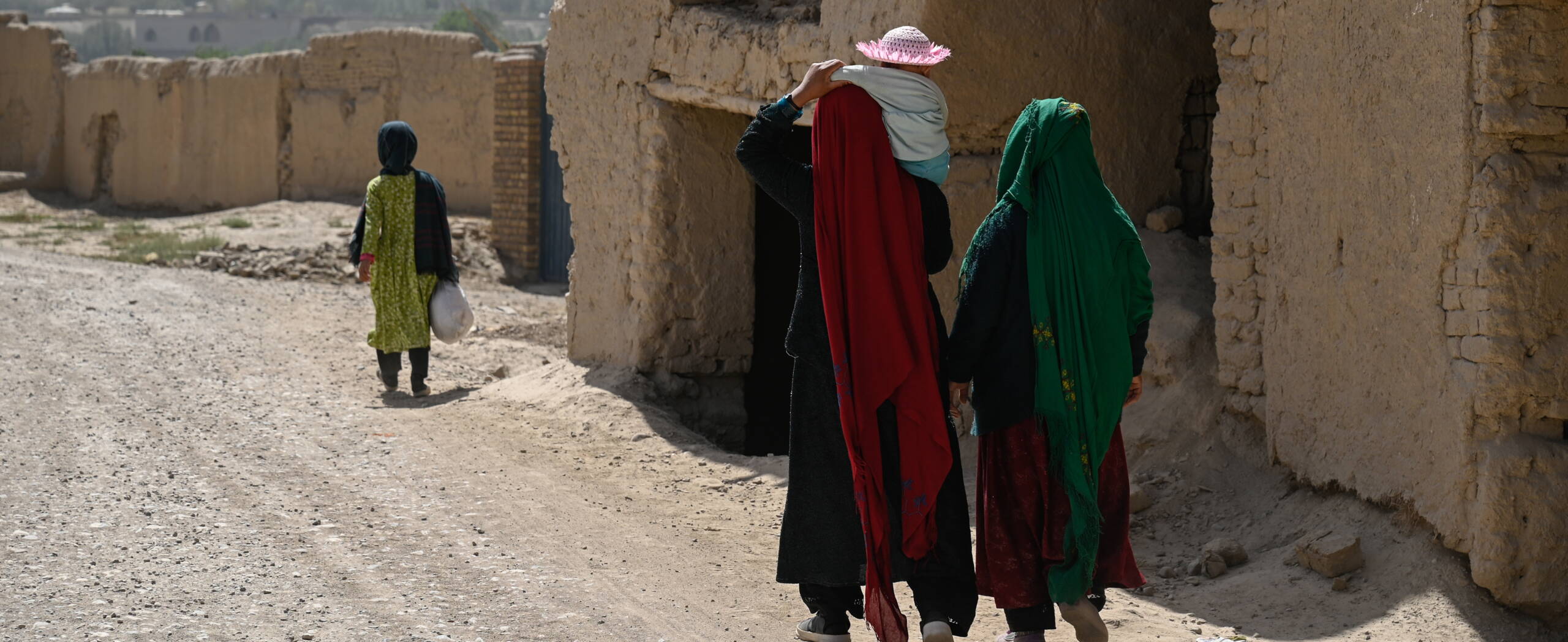
The consequences are particularly severe for maternal and child health. Women and girls are often the first to lose access to medical care. In Bangladesh, for example, the government restricted the delivery of medicines and medical equipment in our project region, with drastic consequences for pregnant women, mothers and newborns. In Ethiopia, our local partner, the Organization for Welfare and Development in Action (OWDA), reports that funding cuts have left it unable to reach around 80,000 particularly vulnerable people. The Ministry of Health has also had to lay off approximately 5,000 staff members, while around 200 NGOs have been forced to adapt or discontinue their projects.
These developments are deeply troubling. They shift the focus away from sustainable capacity-building towards short-term measures that cannot close fundamental gaps in healthcare provision. As a result, progress in reducing maternal and child mortality is at risk of being lost. One thing is clear to us: maternal and child health is not a marginal technical issue, but a barometer of global solidarity. When funding is cut in this area, it reveals which lives are considered worth protecting – and which are not.
Despite declining government support for international solidarity, backing from institutions and private individuals remained consistently strong throughout 2025. This solidarity strengthens our resolve and enables us to continue standing alongside the most vulnerable.