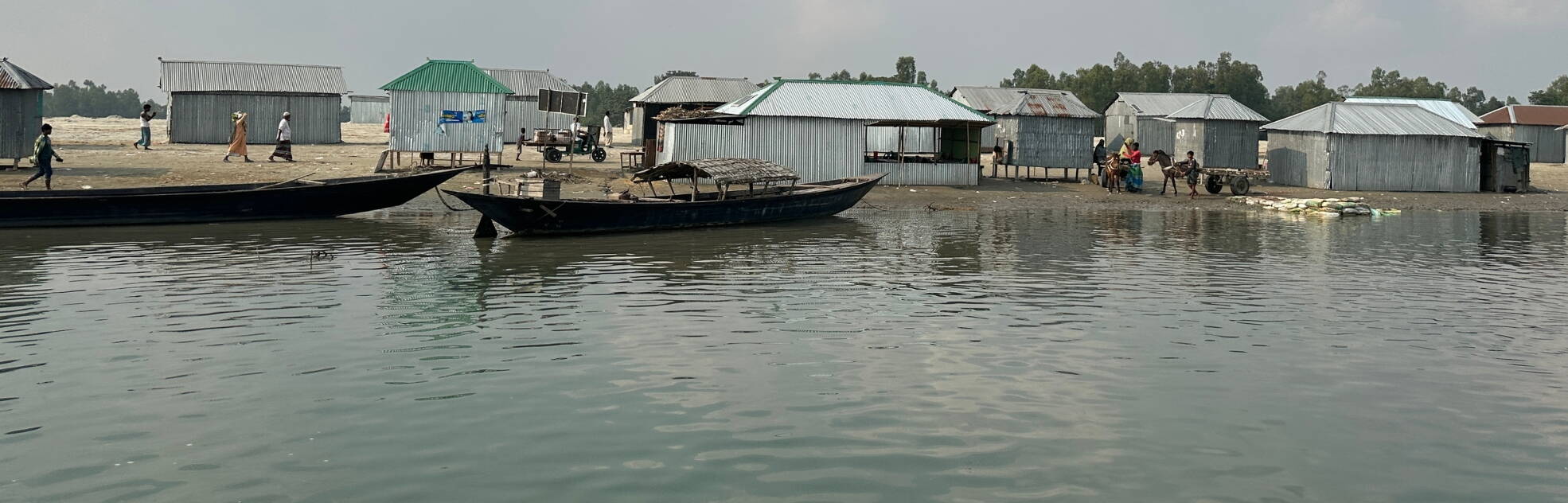
Schwemmlandinseln bei Überschwemmungen in Bangladesch.
Alluvial Islands in Kurigram, Bangladesh.
© Noemi Grossen /WHI

Healthcare in Kurigram, the poorest district in Bangladesh, is virtually non-existent. Noemi Grossen, our Managing Director, describes conditions that are almost unimaginable to us and explains what we are now doing together with our local partner to improve the situation.

Published 20 May 2025

Please note: To use our resources as efficiently as possible, we used AI-based tools to support the translation of this page. Despite careful review, the translation may contain occasional errors or inaccuracies. Thank you for your understanding.

Noemi, last November you travelled to north-western Bangladesh on a work visit and met people in Kurigram, a district severely affected by flooding. What is life like there?
Geography has a profound impact on people's lives. Some of the population live on so-called chars – islands of alluvial sediment or sandbanks formed by river deposits. Living conditions on these chars are harsh. The land is constantly eroded and flooding is frequent, making agriculture particularly challenging. Many people regularly lose everything they own to the floods. Following the major floods last summer, we provided emergency relief and realised that the hardship remains long after the waters have receded.

Noemi Grossen, Geschäftsleiterin Women's Hope auf Dienstreise im Gespräch mit Familien aus Bangladesch.
Noemi Grossen in conversation, Bangladesch.
© LAMB

Women's Hope has therefore decided to invest in developing local healthcare services on the alluvial island of Jahazer Alga. Why this particular location?
Healthcare for the approximately 15,000 people living on Jahazer Alga is completely inadequate. The only health post is very basic and has just two staff members: an assistant with three years of training in nutrition and a community health worker who has received only 21 days of training. Both live on another island and are therefore unable to come to work every day.

What healthcare is available to pregnant women?
For the most part, they are left to fend for themselves. Around 70 per cent of women give birth at home. The number of women left with fistulas following traumatic births is alarming, according to figures from our partner organisation. As many as 5 per cent of mothers even die! The nearest healthcare facility, the hospital in Kurigram, is two and a half hours away.

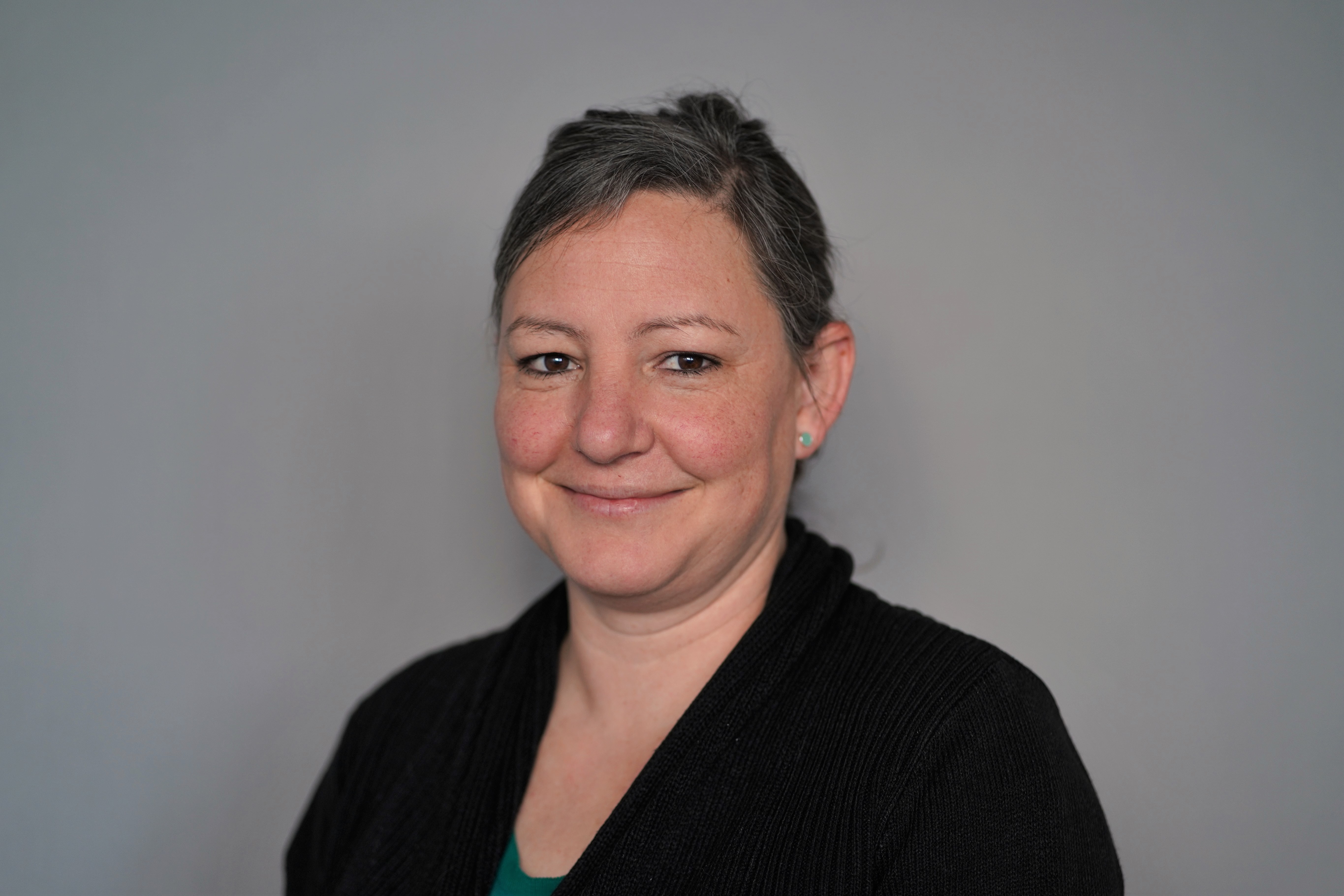
Portrait von Noemi Grossen.

«In an emergency, the biggest problem is not the cost of transport – it is the fact that no transport is available at all.»

Noemi Grossen, CEO of Women's Hope

What are the plans now?
First, our local partner will identify the population's most urgent health needs through field visits and government data. We already know that we will renovate and better equip the only existing health post. We will also invest in staff training, particularly in maternal and child health. In the second year of the project, we expect to recruit two people to provide maternity care.

How does Women's Hope ensure that the activities have a lasting impact?
The project team is organising a series of meetings with key local stakeholders to secure their support and ensure acceptance of the project. The aim is to encourage government representatives to take ownership of strengthening the local healthcare system and, ideally, to contribute financially as well.

Zwei Teenagermütter mit ihren Kindern in Bangladesch.
Teenage mothers from Jahazar Alga, Bangladesh.
© Noemi Grossen /WHI

Notsituation im Bangladesch
Prekäre Lage in fdsfs für Frauen und Kinder