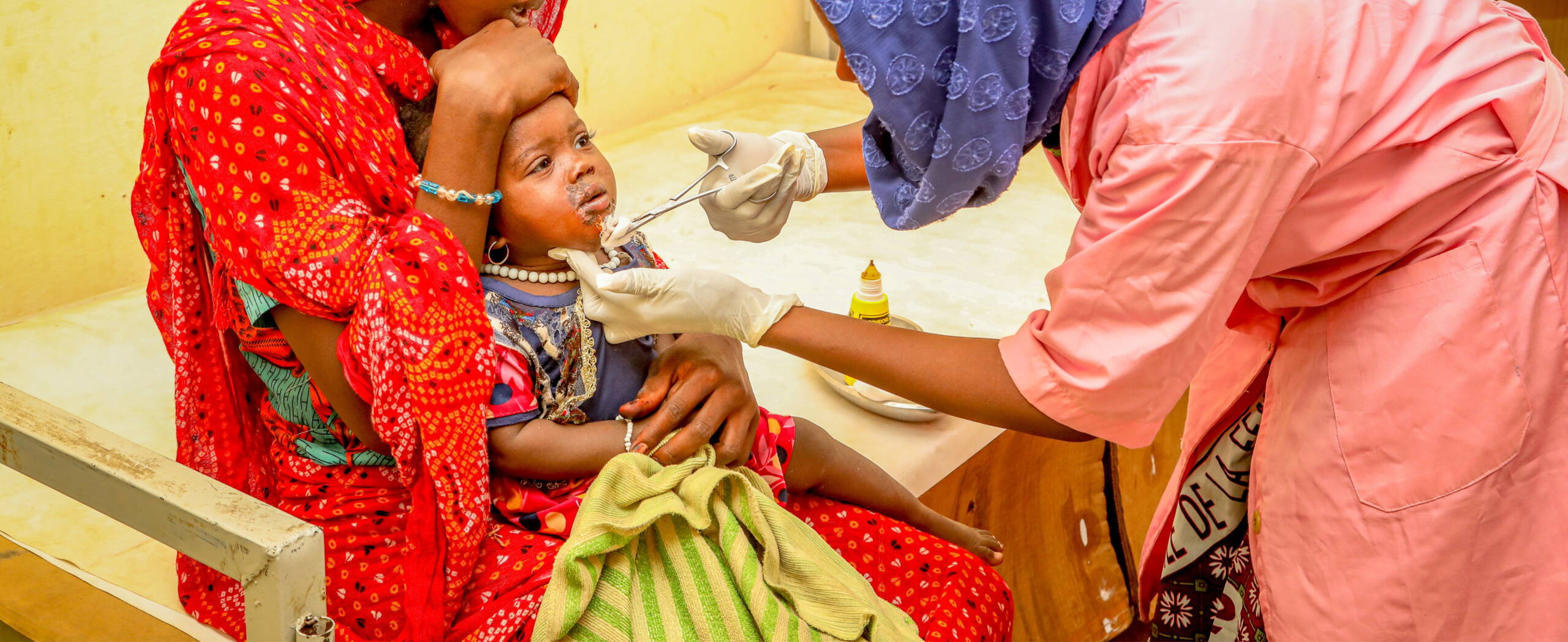
A midwife is dabbing a wound on a little girl's face with a cotton ball.
A midwife treating a young child, Chad..
© Salomon Dainyoo/WHI/Fairpicture

As a result of the bloody civil war in Sudan, the population in eastern Chad has almost doubled. We are addressing urgent needs while creating opportunities for improved healthcare that benefits both refugees and the host communities.


Local partner

The Bureau d’Appui Santé et Environnement (BASE) is a Chad-based NGO that has been working to promote maternal and child health for around 30 years.


Objectives

People who have fled Sudan, particularly women and girls, gain better access to medical and psychosocial support, while the host communities are sustainably strengthened.


Activities

Expanding health infrastructure, providing medical and psychosocial support, raising awareness, and supporting refugees in accessing new sources of income.


Participants

More than 33,000 people benefit directly from free healthcare services, improved access to water and awareness-raising activities; while almost 160,000 people benefit indirectly, primarily from improved infrastructure.

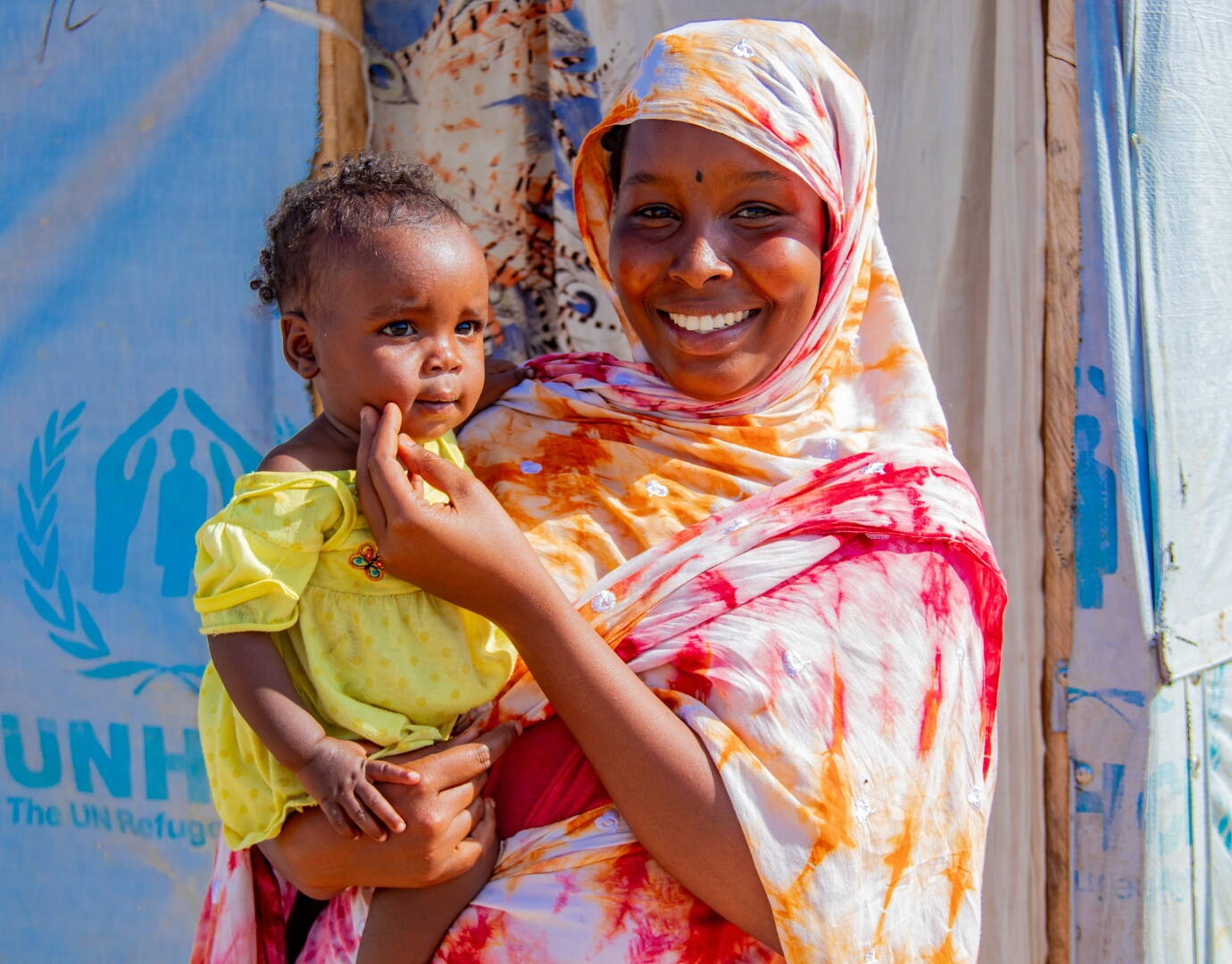
The civil war raging in Sudan has already displaced more than twelve million people, many of whom have fled to neighbouring Chad. A large proportion of them, particularly women and children, have sought refuge in the east of the country – precisely where our project region is located.
 

The situation for refugees is catastrophic. International humanitarian actors can only meet a fraction of the needs, with shortages of food, water and medical care.
 

The situation for local communities is also challenging. Estimates suggest that four out of five children under five and one in ten pregnant women suffer from moderate to severe malnutrition. Healthcare services are scarce, with approximately one doctor for every 32,000 people. The influx of people displaced by the war is placing enormous additional pressure on local resources and infrastructure.
 

Ouaddaï Province has ten refugee camps, three of which we are active in. In the Abougoudam camp, located close to the city, we are the only organisation still present. There, we place particular emphasis on helping people build sustainable livelihoods and achieve greater financial independence.

Title: Resilience and access to integrated services for Sudanese refugees and host communities in Ouaddaï, Chad
Local partner: Bureau d’Appui Santé et Environnement (BASE)
Project region: Abougoudam, Abéché, Chokoyane and Marfa health districts in the Ouaddaï region
Duration: January 2026 to March 2027
Intervention areas:
Emergency relief / Strengthening the healthcare system
 

Together with our local partner organisation BASE, we have been strengthening the healthcare system in the region since 2019, with a particular focus on maternal and child health. We currently support 17 health centres. In summer 2024, we expanded our work to provide the best possible support to both host communities and refugees, and have since continuously scaled up our emergency response.

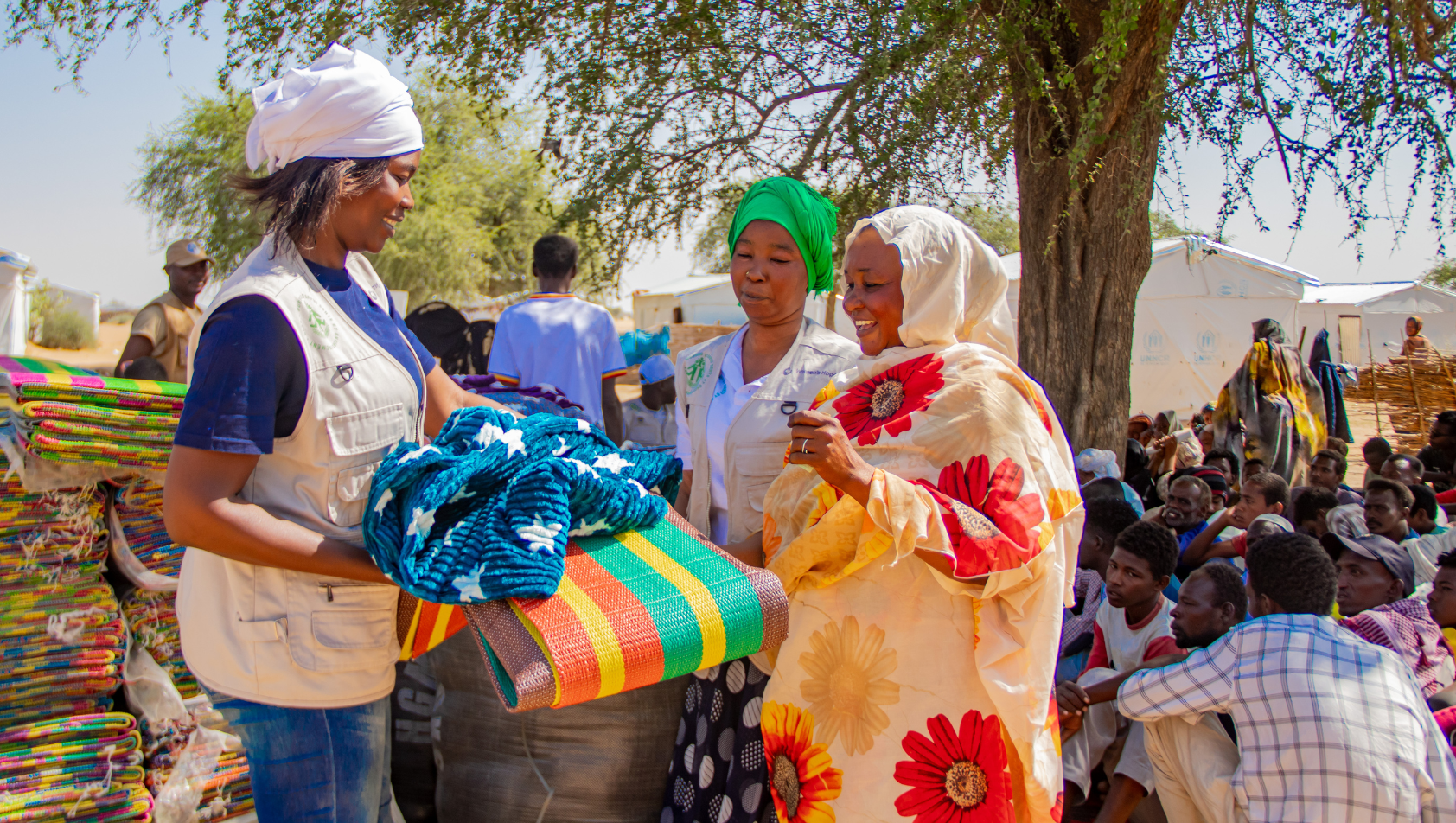
A project staff member hands out blankets and mats to two smiling women.
Warmth through humanity and blankets: Our support gives Sudanese refugees a sense of dignity.
© Kevin Doumdedje/WHI

What we do

We support refugees by ensuring access to clean water and improved hygiene in two camps – for example, by constructing waste incinerators and distributing hygiene kits containing soap and sanitary pads. We also provide access to psychosocial support and, where the Chadian state is unable to step in, free healthcare. Through awareness-raising campaigns, we build knowledge on maternal and child health and gender-based violence. Finally, we help the most vulnerable people in Abougoudam generate their own income, enabling them to build long-term prospects for themselves and their families.
 

We promote healthcare and reduce barriers to access by expanding the Chokoyane District Hospital with a fully equipped operating theatre and by improving the water supply at a health centre. Both host communities and refugees benefit from these measures.
 

We encourage the participation of refugees in initiatives that contribute to better health by training selected refugees and providing them with the necessary materials. They can then share essential health information within the camps and reach out to people directly to identify health risks at an early stage.

Sustainability

Our long-standing engagement in the region allows us to build on stable relationships and experience. This enables us to efficiently combine long-term support with emergency relief. In this way, we can address urgent needs in a targeted manner while also creating prospects for stable healthcare that benefits both refugees and the host community. By strengthening the resilience of refugees in Abougoudam, we also help them build long-term prospects for themselves.

Logo SDC

We would like to thank all our funding partners – including those not mentioned here – for making this project possible. 

Support us!

Donate now for empowered women – protected lives

Notsituation im Bangladesch
Prekäre Lage in fdsfs für Frauen und Kinder

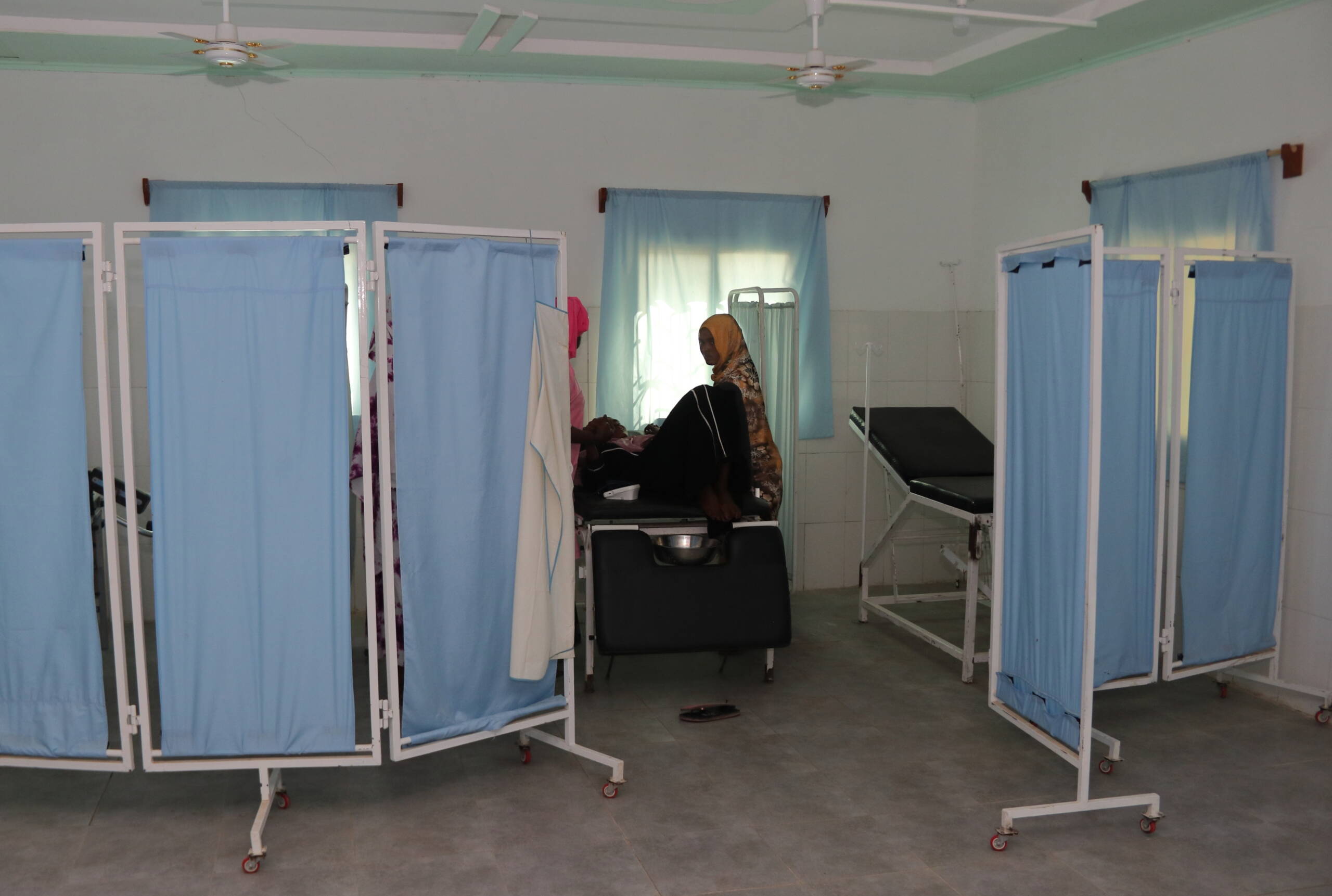
Consultation by a midwife

Pregnant women receive medical support at the nearby Abougoudam health centre.
© Kevin Doumdedje/WHI