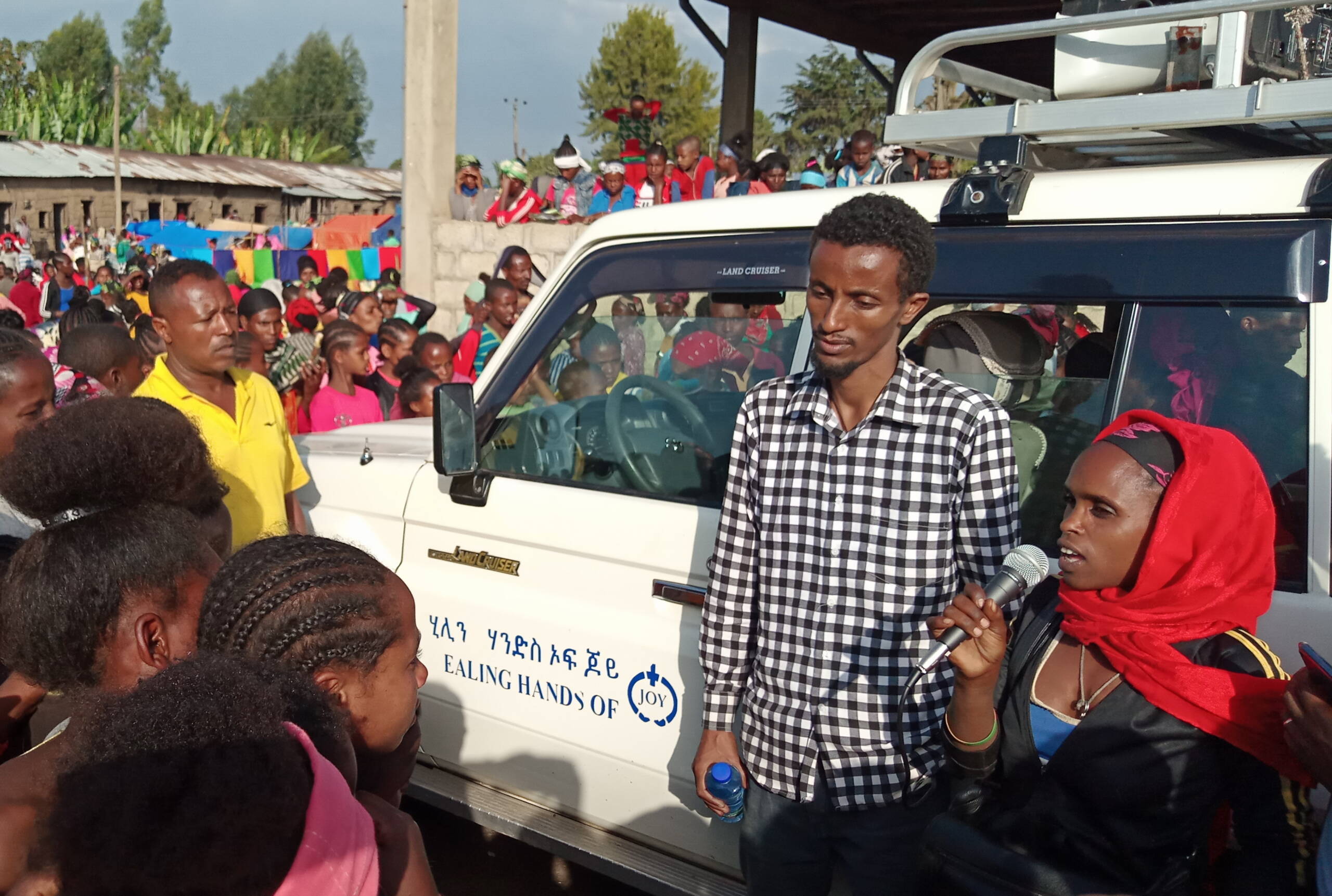
Health expert inform pregnant women.
Pregnant women in Ethiopia receive vital health information.
© Selina Leu/WHI

In Ethiopia, more women develop fistulas each year following complicated childbirth than can be treated. The consequences for those affected are devastating: many live in isolation and extreme poverty. Through a holistic approach, our project supports women affected by fistula and involves them in efforts to prevent new cases.


Local partner

Healing Hands of Joy (HHoJ) is an Ethiopian NGO committed to preventing obstetric fistula and supporting affected women. With the active involvement of fistula survivors, HHoJ raises awareness among families and communities about safe motherhood.


Objectives

With comprehensive support, women affected by obstetric fistula can regain a self-determined life with dignity. At the same time, awareness-raising and a strengthened healthcare system help prevent new cases in the long term.


Activities

Raising awareness among communities, providing medical and economic support to survivors, training healthcare professionals, and strengthening healthcare services.


Participants

Around 30,000 people are directly involved in the project activities, including 320 fistula survivors. Around half a million people from the wider project area are reached indirectly by the project.

Obstetric fistula is usually caused by prolonged or difficult childbirth without medical assistance and is therefore particularly common in rural areas of Ethiopia. Girls living in poverty who are married young and become pregnant before their bodies are ready are particularly at risk. Many have already been subjected to heavy physical labour and suffered from malnutrition as children – leaving their young bodies unable to withstand childbirth.
 

In addition to the profound loss of a child – nine out of ten women affected by fistula lose their baby during childbirth – women suffer from distressing symptoms such as uncontrolled urinary or faecal incontinence.


Many women living with obstetric fistula live in social isolation and poverty. In most cases, these severe injuries can be treated, yet many women are unaware that treatment is available, distrust existing healthcare facilities, or are unable to access a clinic.

Title: A new start for women in Wolayita: Fistula survivors create new opportunities
Local partner: Healing Hands of Joy (HHoJ)
Project region: Seven districts in the Wolayita Zone
Duration: February 2025 to December 2026
Intervention areas:
Treatment of obstetric injuries / Strengthening the healthcare system
 

Our project is based in the rural Wolayita Zone and aims to provide comprehensive support to women affected by fistula while preventing new cases. The project region has one of the highest numbers of women affected by fistula in the country, yet there is currently no facility in the region equipped to treat this birth injury.

Four women are standing on a street and smiling proudly at the camera.
Experts by experience: former fistula survivors.
© Selina Leu/WHI

What we do

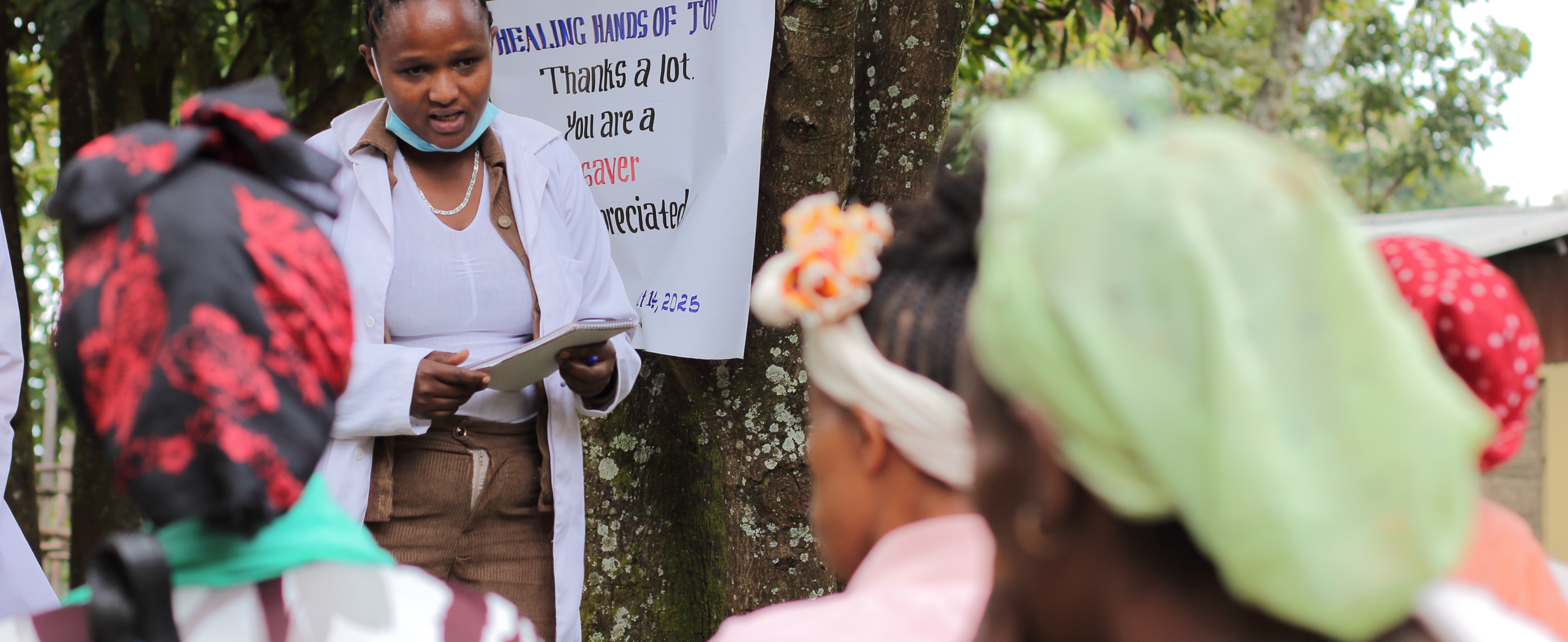
We provide reliable health information and strengthen women’s self-determination by working with fistula survivors – the Safe Motherhood Ambassadors – to raise awareness among pregnant women, their families, schoolchildren and the wider community about fistula and the importance of appropriate healthcare during pregnancy and childbirth.
 

We improve the quality of healthcare services and reduce barriers to access by training healthcare workers in the diagnosis, treatment and prevention of fistula, equipping fourteen health centres with delivery kits, and renovating two maternity waiting homes for women with high-risk pregnancies. Women affected by obstetric fistula are referred to a nearby hospital outside the project region for treatment.
 

We support fistula survivors in their social reintegration by developing and implementing support measures together with them, tailored to their individual circumstances. For example, some receive technical and financial assistance to start a small business, while others are trained as Safe Motherhood Ambassadors. In this role, they share essential health information within their communities.
 

We foster a supportive environment by bringing together healthcare workers, religious leaders, government officials and community members in a series of workshops. These workshops help build a network that supports fistula survivors in returning to their communities and works to prevent new cases.

Sustainability

The project adopts a holistic approach whose effectiveness has been confirmed through evaluations of similar previous projects. Through these comprehensive measures, we not only support individual women but also contribute to broader social change: fistula survivors become advocates for change, while communities recognise the importance of safe childbirth. By strengthening local structures, the project also helps reduce the number of new birth injuries in the long term.

Logo SDC
Logo Migros Unterstützungsfonds

We would like to thank all our funding partners – including those not mentioned here – for making this project possible. 

Support us!

Donate now for empowered women – protected lives

Notsituation im Bangladesch
Prekäre Lage in fdsfs für Frauen und Kinder

Delivery room.

Among other measures, we equip the delivery rooms with essential medical equipment.
© Selina Leu/WHI