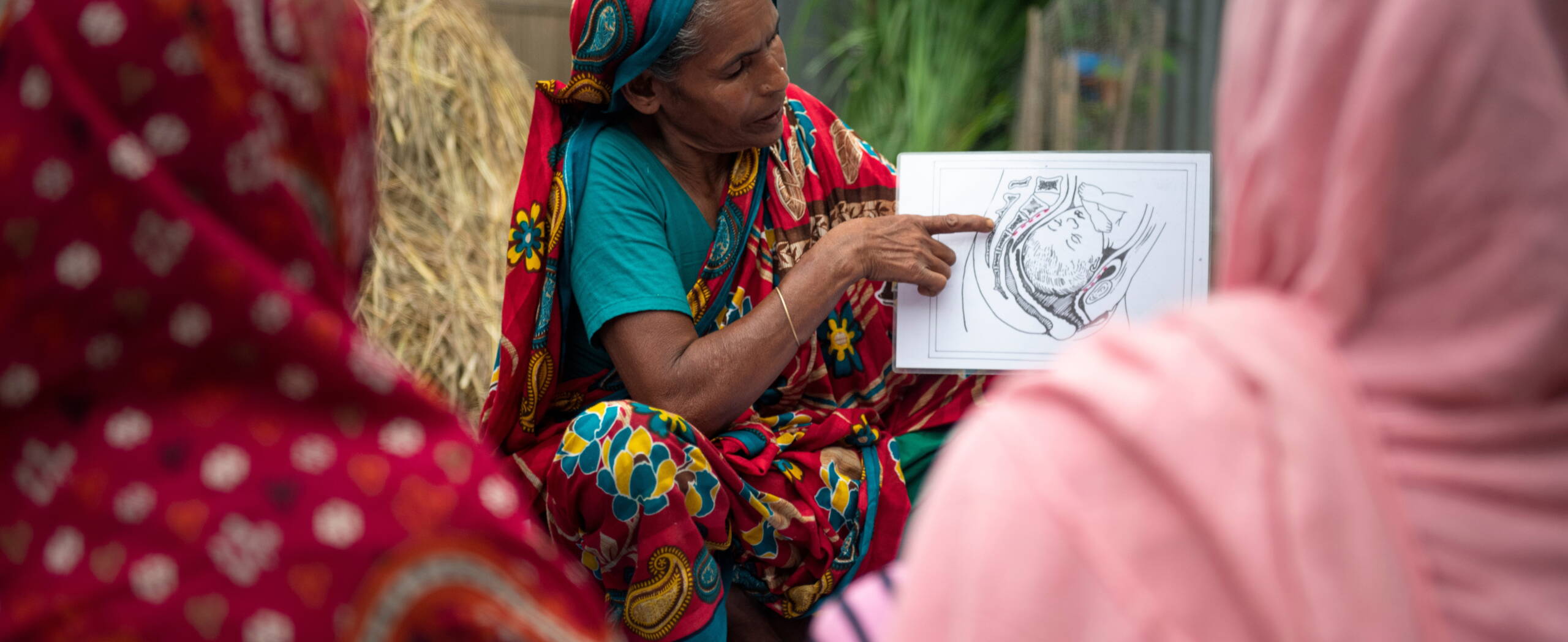
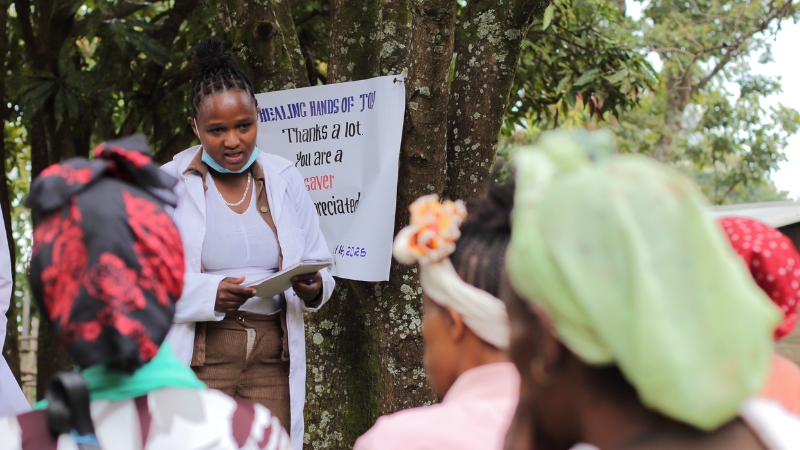
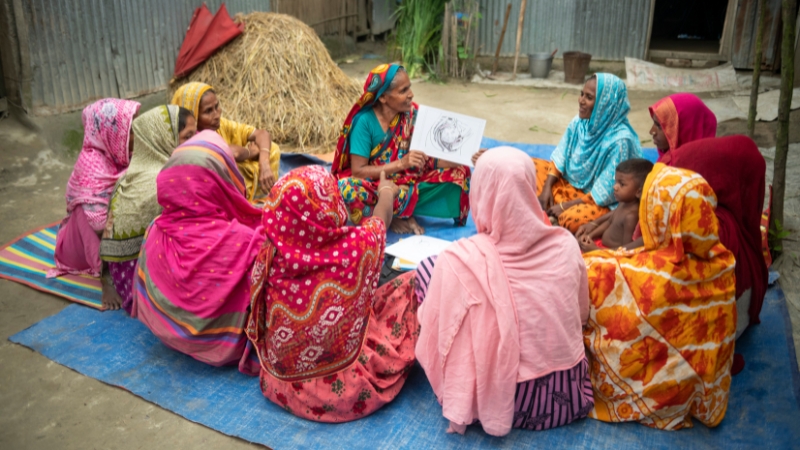
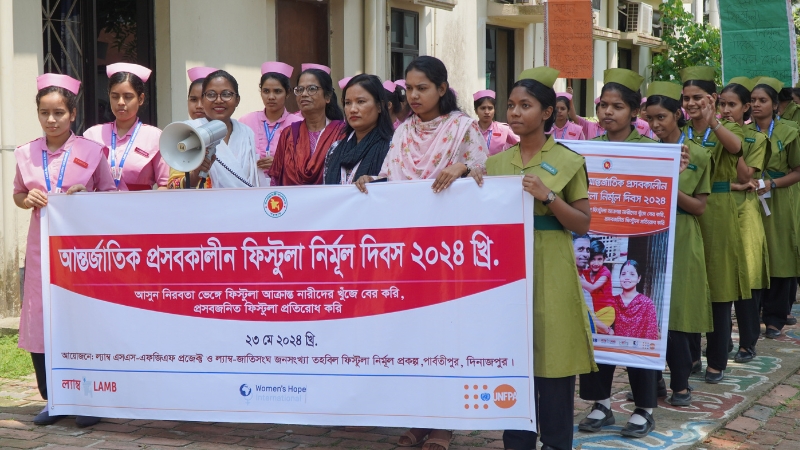
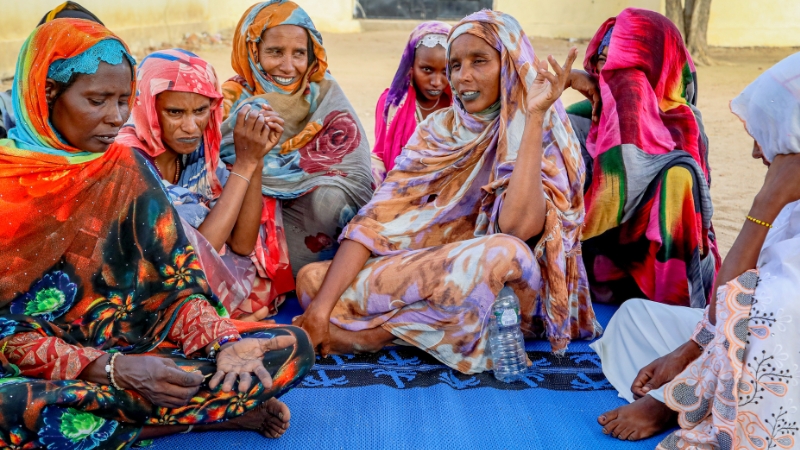
Fistula adovcate informs women.
Raising awareness of obstetric fistulas.
© Farhana Akther/WHI/Fairpicture

Women suffering from obstetric injuries, including fistulas, often face social isolation and severe physical and psychological distress. Yet many of these injuries are preventable or treatable. This is where our work comes in.


Obstetric fistulas explained

An obstetric fistula occurs during a prolonged, obstructed labour when specialist care is unavailable. If a baby becomes stuck in the birth canal for a long time, this can tear a hole in the tissue between the bladder and vagina or the rectum and vagina.


Consequences

According to UNFPA, 90 percent of women who develop an obstetric fistula lose their babies. Fistula survivors often experience urinary and/or faecal incontinence, which typically leads to chronic health problems, depression, social isolation and increasing poverty.


Those most at risk

Women who live too far from health facilities or cannot afford health services are most at risk. Young girls are particularly vulnerable, as their bodies are not yet ready for childbirth.


Solutions

Fistulas are avoidable. That is why prevention is central to our work, for example by promoting safe childbirth. We also support fistula survivors through surgery and comprehensive medical and social follow-up care.

How we prevent obstetric fistula – and empower fistula survivors in the long term

According to UNFPA, around half a million women in the Global South live with obstetric fistulas, and around 50,000 new cases occur every year. The good news is that fistulas are preventable. There is also hope for women living with fistulas: in most cases, they can be cured through surgery performed by specially trained medical professionals. That is why we take a comprehensive approach, combining preventive measures with practical support for fistula survivors.
 

We develop all our programmes in close collaboration with local communities and institutions.

Prevention

Together with our local partner organisations, we:

  • Promote safe childbirth by training midwives, strengthening health infrastructure and reducing barriers to accessing health services.

  • Raise awareness of the importance of antenatal check-ups. Knowing the warning signs of a complicated birth helps girls and women seek medical assistance early on.

  • Work to prevent child marriage, for example by supporting families in not marrying off their daughters due to financial hardship. We also raise awareness among families and communities of the risks of early marriage.

  • Work to prevent female genital cutting (FGC), as scarring caused by this harmful practice can increase the risk of complications during childbirth.

Identification, treatment and support

Together with our local partner organisations, we:

  • Identify women living with obstetric fistulas and inform them about the possibilities for treatment and recovery.

  • Facilitate medical treatment by covering the cost of surgery, training specialist surgeons and equipping health workers to identify obstetric fistulas and refer them for appropriate treatment.

  • Facilitate medical treatment by covering the cost of surgery, training specialist surgeons and equipping health workers to identify obstetric fistulas and initiate appropriate treatment.

  • Support fistula survivors through tailored follow-up care, including physiotherapy and compassionate psychosocial support.

Reintegration

Together with our local partner organisations, we:

  • Support fistula survivors in reintegrating into society, for example by offering vocational training courses that equip them with practical skills to generate a modest income and rebuild their lives with dignity and respect.

We are increasingly encountering women with iatrogenic fistulas in our projects. Unlike obstetric fistulas (rectovaginal and/or vesicovaginal), iatrogenic fistulas are caused by medical professionals, usually unintentionally during a medical procedure. Common causes include poorly performed operations, such as caesarean sections or hysterectomies.
 

Our projects also support women with iatrogenic fistulas and those who have sustained other birth injuries, with consequences similar to those of obstetric fistulas.

A new beginning against all odds

Watch the video and find out how Hasina Begun is now finding other fistula survivors – which gives her a new purpose in life.

(Video in English)


Two women are sitting on a hospital bed and looking at the camera.
Two fistula patients at Hamlin Hospital, Ethiopia.
© Hanspeter Bärtschi/WHI
Support us!

Donate now for empowered women – protected lives

Notsituation im Bangladesch
Prekäre Lage in fdsfs für Frauen und Kinder