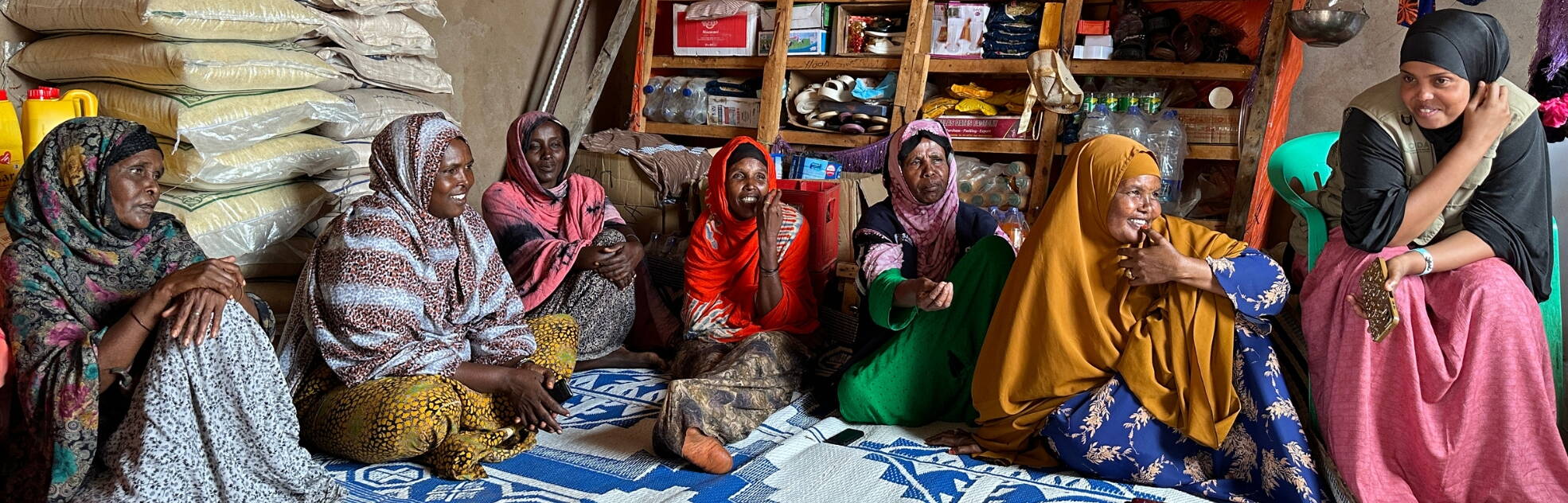
Frauen im Gespräch zu weiblicher Genitalbeschneidung in Äthiopien.
In a discussion about female genital cutting, Ethiopia.
© Noemi Grosse / WHI

How do you break with a tradition that is deeply rooted in a culture and harmful to women? Our local project partner, midwife Nimcan Ahmed Mohamed, shares her experiences, challenges, hopes and early successes in the fight against female genital cutting (FGC) in rural Ethiopia.

Published 19 June 2025

Please note: To use our resources as efficiently as possible, we used AI-based tools to support the translation of this page. Despite careful review, the translation may contain occasional errors or inaccuracies. Thank you for your understanding.
Nimcan Ahmed Mohamed, you worked as a midwife in rural areas of Ethiopia for more than a decade. What role did female genital cutting (FGC) play in your daily work? 
FGC was a central part of my work, as most of the women I cared for as a midwife had undergone the practice. It causes numerous health problems, ranging from chronic infections and kidney problems to complications during childbirth. Unfortunately, most women do not realise that these health issues are linked to FGC.

What specific challenges did you face when assisting women who had undergone FGC during childbirth? 
The scarring and changes to the tissue caused by FGC make childbirth considerably more difficult. Medical equipment such as vacuum extractors is often needed, but is rarely available in rural areas. Many women are left with birth injuries such as fistulas, or even die, because appropriate treatment is unavailable.

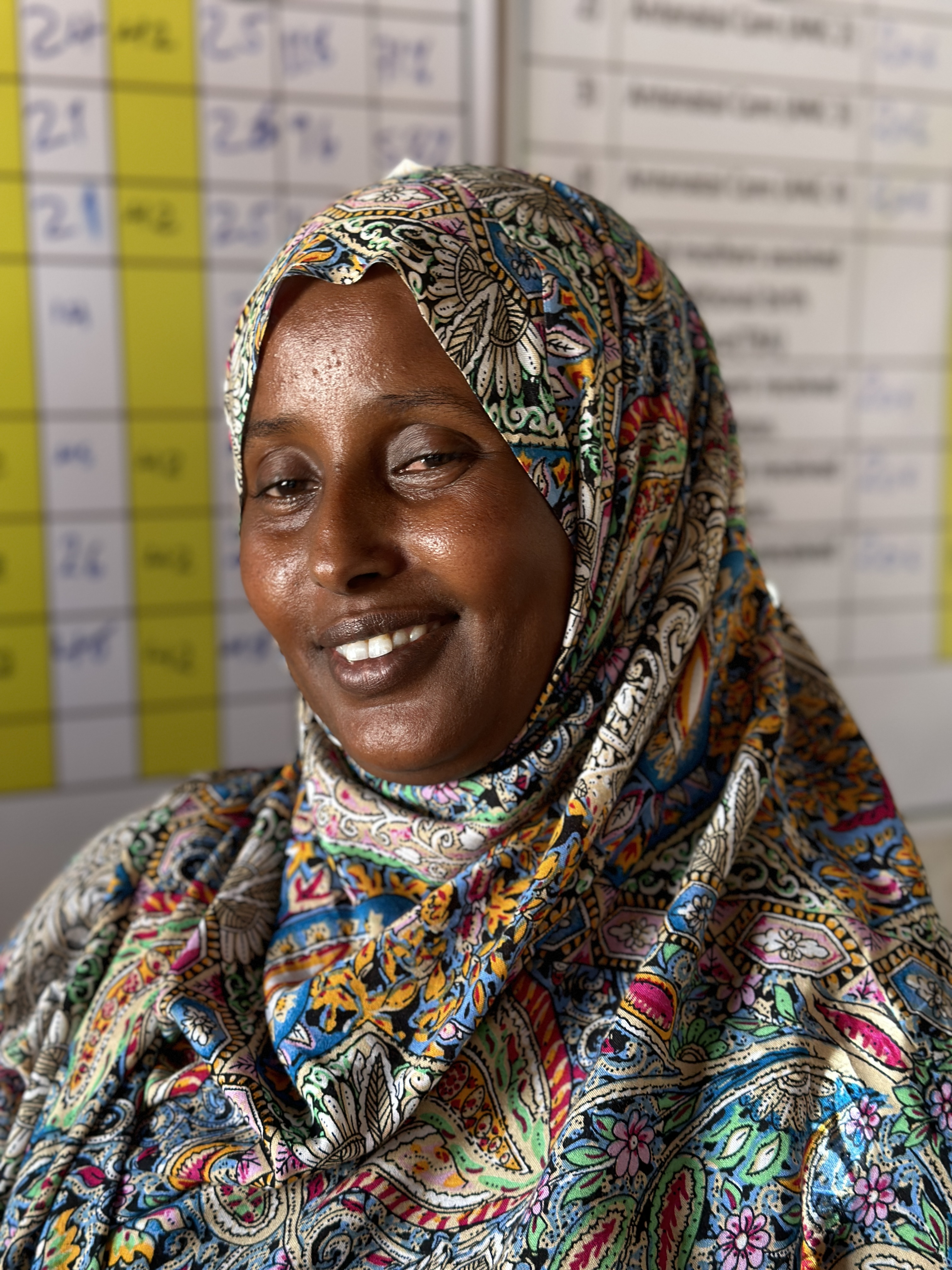
Portrait der Hebamme Nimcan Ahmed Mohamed.

«To truly end this practice, we need to encourage people to question the reasons behind the tradition and find alternatives. But change takes patience and sensitivity.»

Midwife Nimcan Ahmed Mohamed

What is the general attitude towards FGC in your area of work, the Danod district? 
Most people in the community know that FGC is not a religious requirement, but cultural traditions remain deeply rooted. Many are resistant to change, particularly men, who often do not want to marry women who have not undergone FGC.

How do laws prohibiting FGC affect the situation on the ground? 
The Ethiopian government outlawed FGC in 2004, and enforcement has become stricter in recent years. However, the approach is often lacking in sensitivity – for example, when women who were present during the cutting are simply arrested. The ban has also driven the practice underground, increasing the risks for girls. 

What approaches do you use to change attitudes towards FGC? 
To truly end this practice, we need to encourage people to question the reasons behind the tradition and find alternatives. But change takes patience and sensitivity.

Hebamme Nimcan Ahmed Mohamed im Gespräch mit einem Kollegen.
Conversation with Nimcan Ahmed Mohamed, Ethiopia.
© Noemi Grossen / WHI

Former midwife Nimcan Ahmed Mohamed, 30, has been working for our partner organisation OWDA in the Danod district of Ethiopia since 2023. Her expertise in addressing the health consequences of female genital cutting (FGC) makes her an important contributor to the fight against this harmful practice. Nimcan regularly visits local communities to raise awareness and advocates a sensitive, sustainable approach to ending FGC. 

What concrete steps do you take to bring about change? 
We work closely with religious leaders and community elders, as they have considerable influence within the community. I often draw on examples from my own experience as a midwife to help people understand the health consequences of FGC. It is also important to involve healthcare professionals, as they are on the front line and witness the consequences of FGC first-hand. In addition, we support former practitioners by helping them find alternative sources of income. Education and awareness-raising are essential, but they must be sustained and comprehensive.

Have there already been successes that give you hope? 
Yes, we are seeing some early successes. Some families have decided not to have their daughters undergo FGC, and women are speaking more openly about the practice and its consequences. Our work with former practitioners is also having an impact – many have started working in alternative professions.  

Notsituation im Bangladesch
Prekäre Lage in fdsfs für Frauen und Kinder