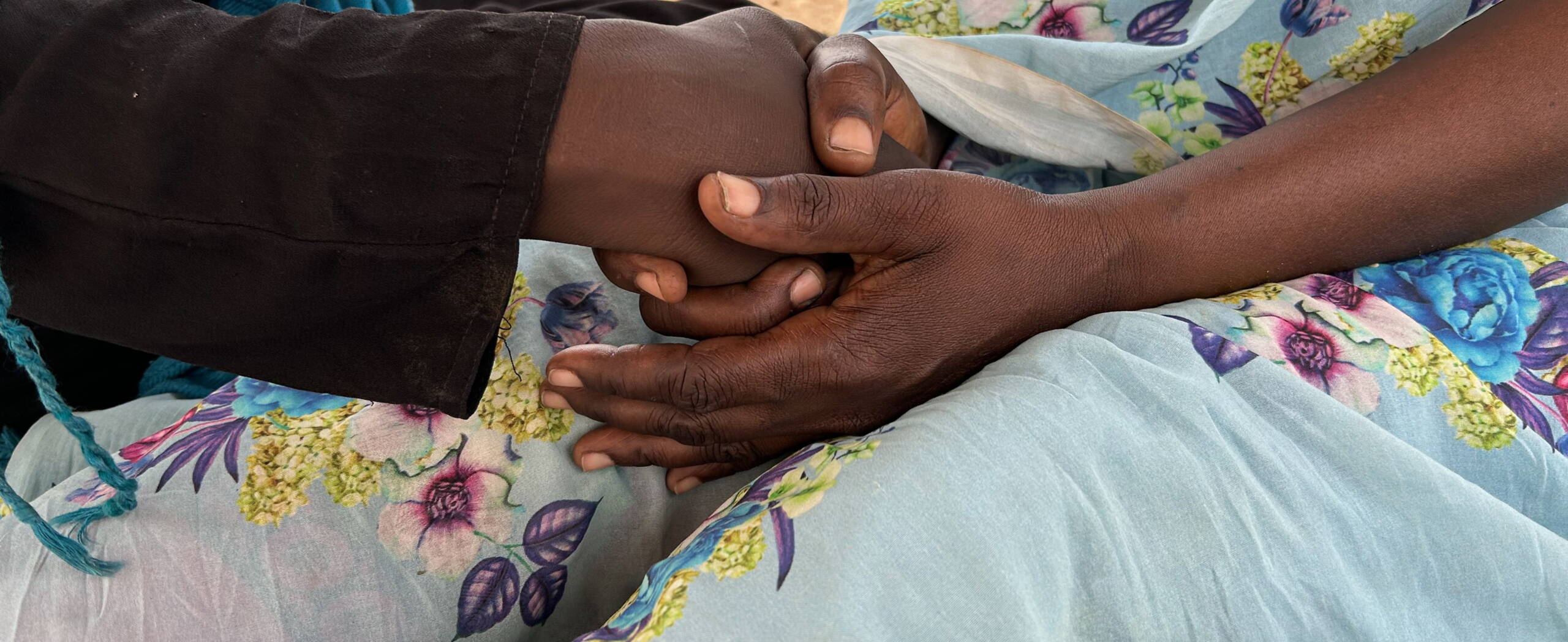
BUNARGED and Women’s Hope have joined forces to develop a project supporting women affected by obstetric fistula. Why is this work so important?
Every year in Chad, around 1,000 women are left with obstetric fistula following a difficult childbirth. The National Fistula Centre has the capacity to treat just 300 cases per year. This means that approximately 700 women are left without treatment every year. Our project aims to support at least 200 women in accessing treatment each year. What makes this initiative particularly important is its strong focus on helping survivors reintegrate into society and regain their livelihoods. In the past, some projects have focused on raising awareness, providing information and, in some cases, offering treatment. But one crucial aspect has consistently been overlooked: the social and economic reintegration of survivors.
What does the partnership with Women’s Hope mean for BUNARGED?
In addition to directly supporting 200 women every year, we aim to reach up to 40,000 people in eastern Chad through the project, particularly through awareness-raising activities. That is an enormous number. For BUNARGED, this partnership with Women’s Hope is one of the largest collaborations we have undertaken to date. Our cooperation is characterised by respectful communication and transparency. The team is made up predominantly of women. For me, it is a source of comfort to be able to work alongside other women for the benefit of the women in my community.