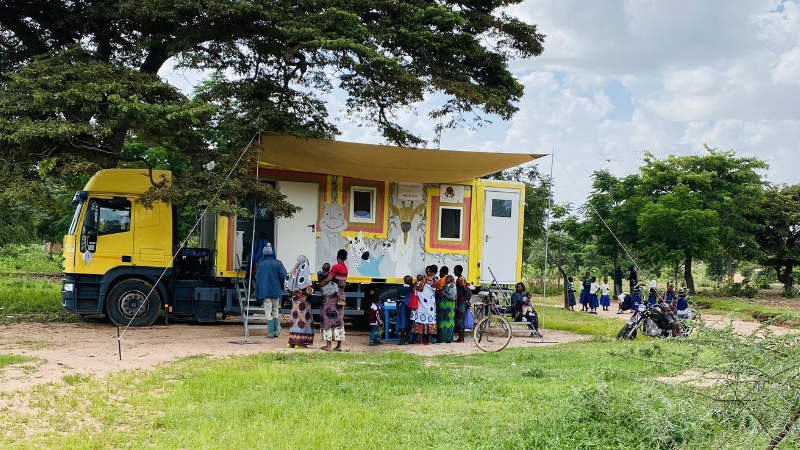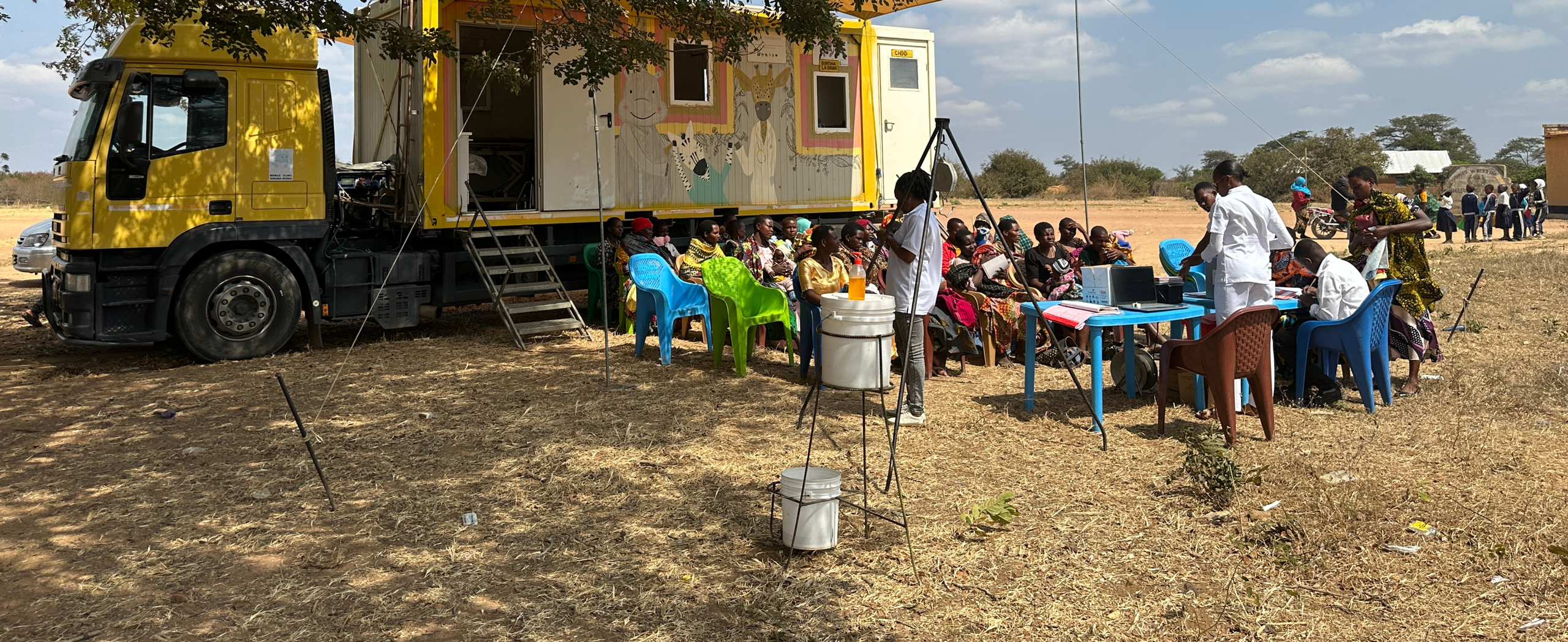
Women sitting in front of the mobile clinic.
A busy clinic: Mothers and children wait outside the mobile clinic.
© Noemi Grossen/WHI

The mobile clinic run by the Swiss NURU Foundation has been providing healthcare to people in remote regions of Tanzania for many years. From autumn 2026, Women’s Hope will take over responsibility for the clinic, marking the beginning of our work in Tanzania. Together with the local team at the Yanuruni Foundation, we will continue the mobile clinic’s work. For people in the communities we serve, this means one thing above all: continuity.

Published 12 August 2026

Please note: To use our resources as efficiently as possible, we used AI-based tools to support the translation of this page. Despite careful review, the translation may contain occasional errors or inaccuracies. Thank you for your understanding.
With the mobile clinic becoming part of Women’s Hope, we are beginning our work in Tanzania. NURU’s work is a natural fit with our existing commitment: for 23 years, we have been working to promote safe pregnancies and childbirth and improve access to quality healthcare for women and their children.
 

NURU and Women’s Hope share more than a commitment to the health of women and children. Both organisations believe that international cooperation must be based on partnership. In practice, this means working with local organisations, listening and learning from one another, rather than trying to develop and impose solutions from Switzerland. The perspectives and experiences of people in the communities we serve are at the heart of our work.

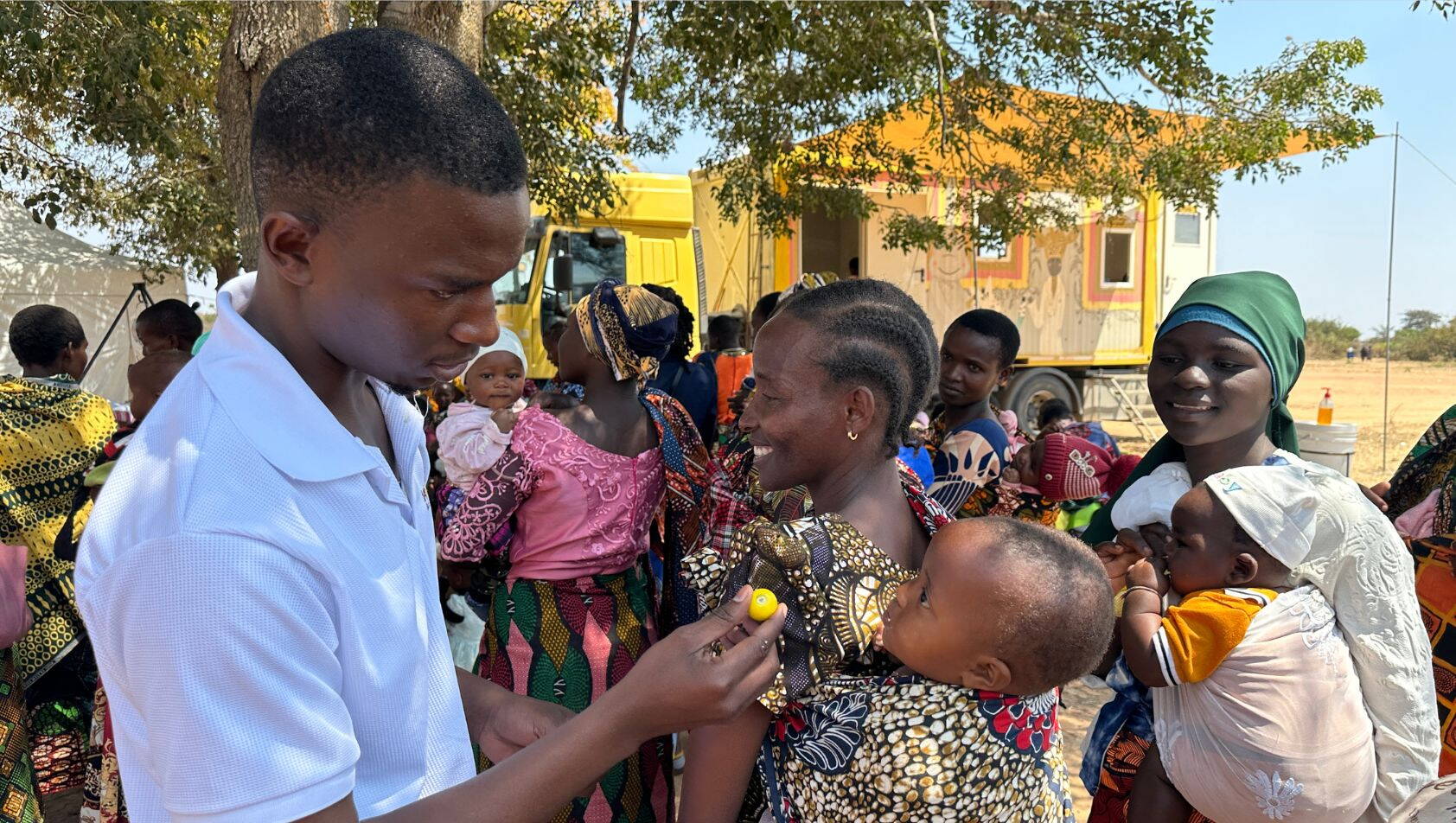
A man in a white shirt is examining a child who is strapped to his mother’s back.
The mobile clinic brings healthcare directly to people in remote villages.
© Noemi Grossen/WHI

The work continues

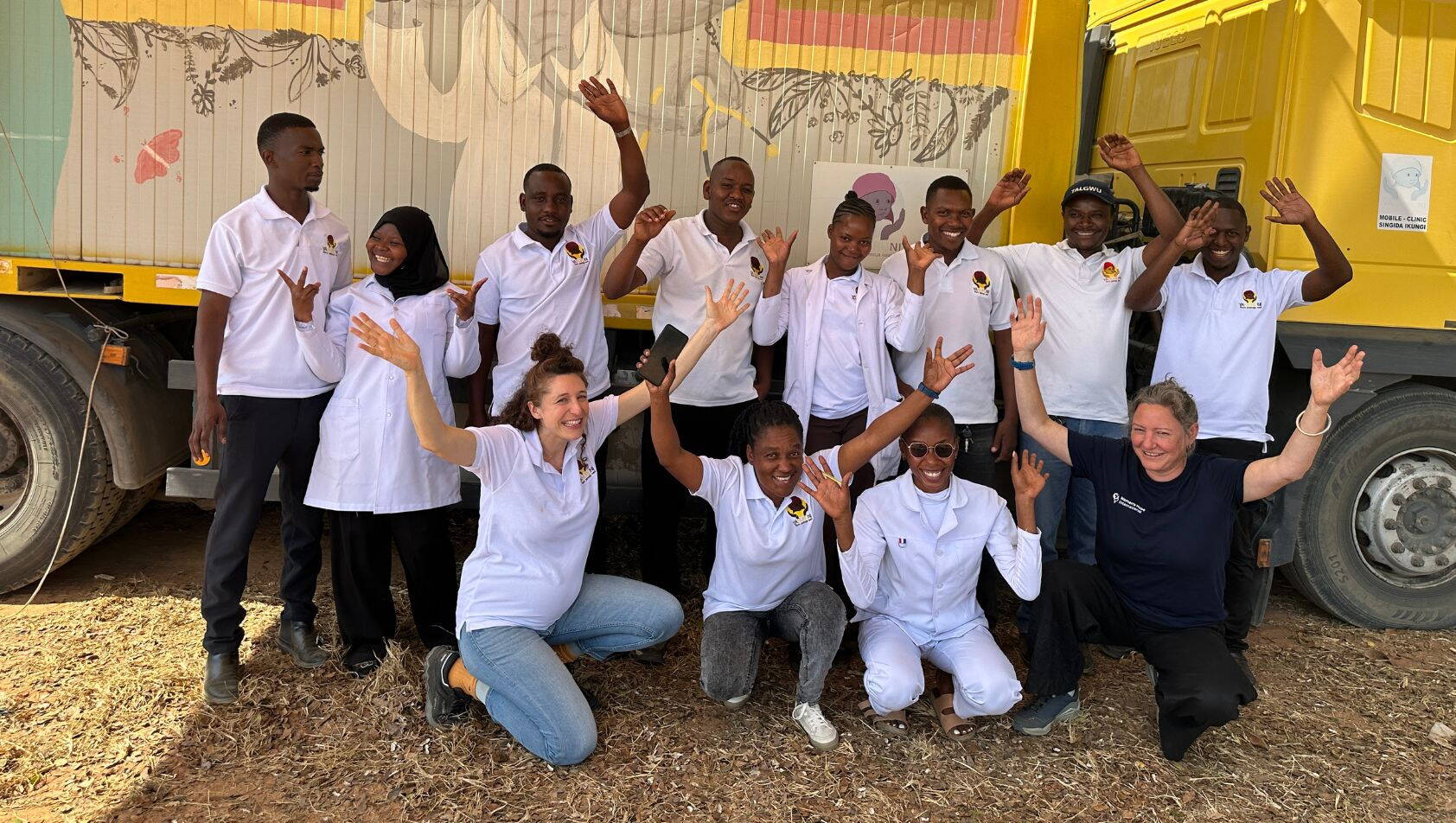
In July, the Women’s Hope team visited the mobile clinic and the Yanuruni Foundation in Tanzania for the first time. We met the people who provide healthcare in remote villages and discussed the future of our collaboration.
 

For people in the communities served by the clinic, little will initially change as a result of the transition: the local team will remain in place, the mobile clinic will continue its outreach visits, and women, children and families will continue to receive medical care as before.

People are standing in front of a colourfully painted lorry and waving at the camera.
We were impressed by the mobile clinic’s services during our first visit to the project.
© WHI

At the same time, becoming part of Women’s Hope gives the mobile clinic a long-term organisational perspective. Over the coming months, we want to take the time to understand the existing work and, together with the team on the ground, decide how it can be continued and further developed.

Looking to the future together

Many people have supported NURU’s work, and the mobile clinic in particular, over the years, making its development possible in the first place. We are deeply grateful for this support.
 

The future of the mobile clinic will continue to depend on people who support and sustain this work. Together with our partners in Tanzania, we want to build on the strong foundation established by NURU and ensure that women, children and families continue to have access to healthcare in the years to come.

Notsituation im Bangladesch
Prekäre Lage in fdsfs für Frauen und Kinder