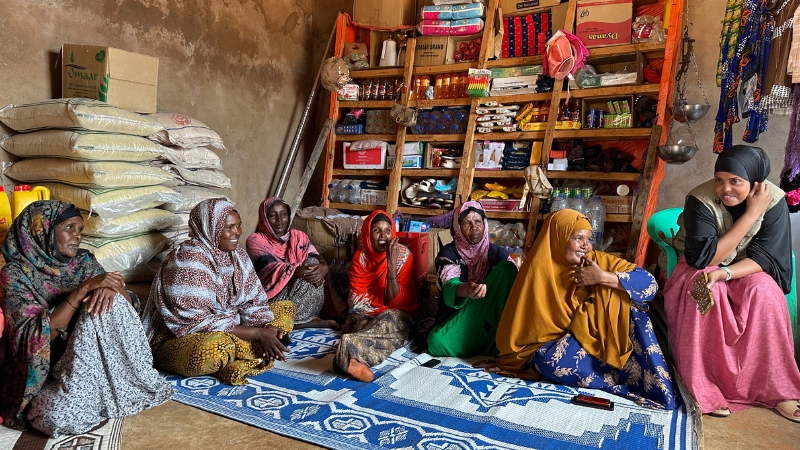
Women are sitting under a tree and listening to someone.
Discussing female genital cutting, Ethiopia.
© Noemi Grossen/WHI

Female genital cutting (FGC) endangers lives. It damages girls and women both physically and emotionally – and increases the risk of serious complications when giving birth. We pursue a respectful and culturally sensitive approach as we take a stand against this deeply rooted practice that violates human rights.


FGC in numbers

According to UNICEF, over 200 million women worldwide are victims of FGC. Every year, around 4 million girls are at risk of being cut. The practice is widespread in more than 30 countries, despite being illegal in most of them.


Causes

FGC is deeply rooted in local cultures and is often justified by tradition, purity, marriageability or religious beliefs – although none of the world religions endorsed it. All these factors increase the social pressure on families.


Consequences

The consequences of FGC are serious and include severe pain, infections, psychological trauma and massive risks during pregnancy and childbirth. Many women suffer from the consequences of FGC for the rest of their lives.


Solutions

Awareness-raising, information and dialogue with communities play an important role in preventing FGC. Initiatives that offer cultural alternatives to cutting rituals are essential, alongside efforts to strengthen the rights of girls and women.

How we work to prevent female genital cutting

We take a culturally sensitive approach to preventing FGC, developed together with local communities and involving all parts of society – from affected women and health professionals to religious and traditional leaders.
 

Together with our local partner organisations, we:

  • Emphasise networking by bringing together health professionals, FGC practitioners and local authorities to learn from each other and jointly develop strategies against FGC.

  • Promote medical competence by training specialist staff to recognise, critically name and treat the consequences of FGC.

  • Strengthen medical expertise by training specialist staff to recognise, address and treat the consequences of FGC.

  • Empower women and girls by creating safe spaces for open and critical dialogue.

  • Support alternative livelihoods by working with FGC practitioners to develop other sources of income, enabling them to move away from their previous practice.

  • Promote social change by raising awareness among women, men, young people, and religious and community leaders about the risks of FGC, while informing them about the national and international legal frameworks protecting the rights of girls and women.

With our commitment against FGC, we strengthen our line of intervention to eliminate gender-based violence. Gender-based violence is a key focus of many of our projects and is regularly addressed by our local partner organisations through a range of awareness-raising activities.
 

We are currently focusing on two projects in particular that address FGC. Because bodily integrity is a fundamental human right.

The WHO defines four types of GFC: Type I: partial or total removal of the clitoral glans and/or the prepuce. Type II: partial or total removal of the clitoral glans and the labia minora, with or without excision of the labia majora. Type III, also called infibulation: narrowing of the vaginal orifice with a covering seal. The seal is formed by cutting and re-positioning the labia minora and/or the labia majora. Type IV: All other harmful procedures to the female genitalia for non-medical purposes.
 

Data from UNICEF shows that FGC is particularly prevalent in countries in sub-Saharan Africa, parts of Asia and the Middle East.

There are different terms to describe female genital mutilation, mostly known by the abbreviation FGM (Female Genital Mutilation). This term emphasises the gravity of the act and reinforces that it is a violation of women’s and girls’ fundamental human rights, including the rights to health, bodily integrity, and freedom from violence and discrimination.

FGC (Female Genital Cutting) is a more culturally sensitive term that is preferred, especially in dialogue with affected communities. In most cases, we use the term FGC to respect the wishes of the women in our work, who do not see themselves as mutilated, but as cut.

The two terms describe the same practice, which is internationally recognised as a human rights violation.

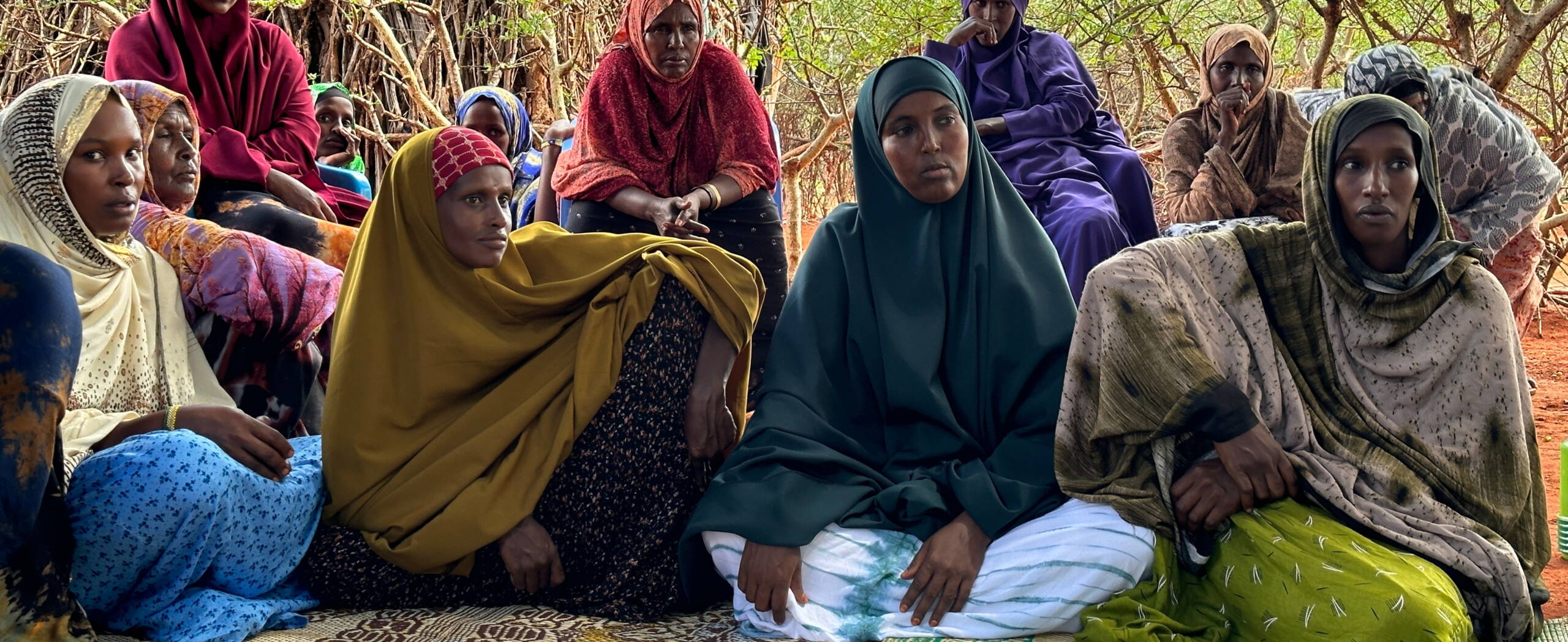
A woman smiles confidently at the camera.
A strong voice against FGC: Woman from Ethiopia.
© Noemi Grossen/WHI
Support us!

Donate now for empowered women – protected lives

Notsituation im Bangladesch
Prekäre Lage in fdsfs für Frauen und Kinder

Sensitization FGC

In communities with high levels of illiteracy, illustrations are also used to raise awareness.
© Noemi Grossen/WHI