Young couple from Bangladesh.
Young couple in Bangladesh.
© Fabeha Monir/WHI

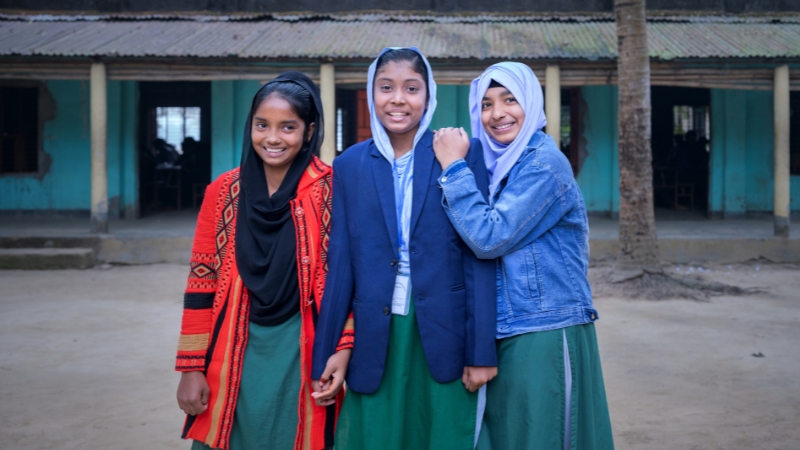
Wife instead of schoolgirl, household chores instead of play: child marriage remains a global problem. Each year, around 12 million girls are married before their 18th birthday. The consequences for them are far-reaching – which is why we work to prevent child marriage.


Child marriage in numbers

According to UNICEF, around 12 million girls are married before their 18th birthday every year. There are currently around 640 million girls and women worldwide who were married as children. Boys are also affected, although five times less often than girls.


Causes

The causes of child marriage are complex and range from poverty and social pressure to religious beliefs to a lack of state protection. What is clear is that crises such as natural disasters and war are a driver for child marriage.


Consequences

Child marriage ends childhood: girls are forced to leave school, limiting their future prospects. Many become pregnant at an early age, facing serious health risks, and often experience isolation or domestic violence.


Solutions

Preventing child marriage is a long-term effort that requires the transformation of gender norms. Poverty prevention, empowering girls and effective legal protections are also key to preventing child marriage in the long term.

How we work to prevent child marriage

In order to tackle the complex causes of child marriages in a comprehensive manner, we work at family, community and policy levels to protect children – and girls in particular – from child marriage.

We develop all our programmes in close collaboration with local communities and institutions.
 

Together with our local partner organisations, we:

  • Inform young people about their rights. This empowers them to stand up for themselves and others.

  • Raise awareness of the consequences of cause and effect. When parents understand the harmful consequences of child marriage – including the increased risk of maternal death among pregnant teenagers and the risk of families becoming trapped in a cycle of poverty – they are less likely to marry off their daughters.

  • Support the economic independence of girls and women. After all, it is often financial hardship that forces families to choose between marrying off a daughter and sending her to school.

  • Encourage critical reflection. When influential local figures, such as religious leaders, teachers and government representatives, speak out clearly and critically, the likelihood of a shift in social values increases.

Change through knowledge

Watch the video to find out how we foster a critical awareness of child marriage.

With our commitment against child marriage, we strengthen our line of intervention to eliminate gender-based violence. Girls are disproportionately affected by child marriage simply because of their gender. In all cases, child marriage violates children’s rights, including those enshrined in the UN Convention on the Rights of the Child, and limits their development. This is true regardless of whether the child is a girl or a boy, and whether or not the marriage is forced.

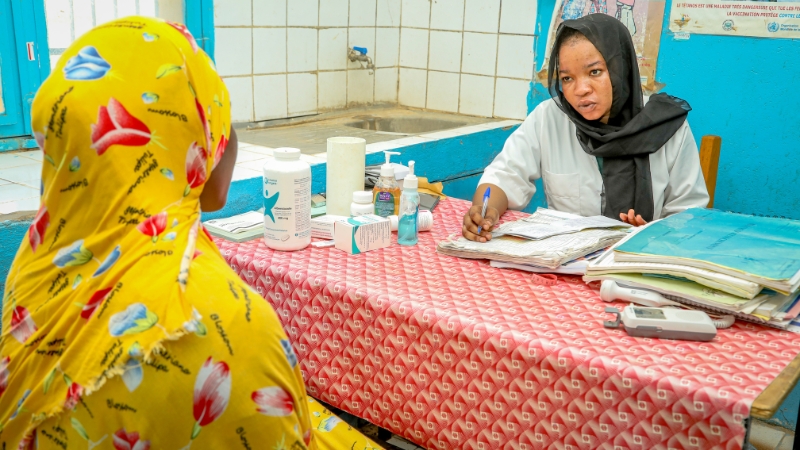
Gender-based violence is a focus of many of our projects. Two of our projects take a comprehensive approach to preventing child marriage, while in our project in Chad, the issue is one aspect of our broader work. After all, every child has the right to a childhood free from worry and hardship.

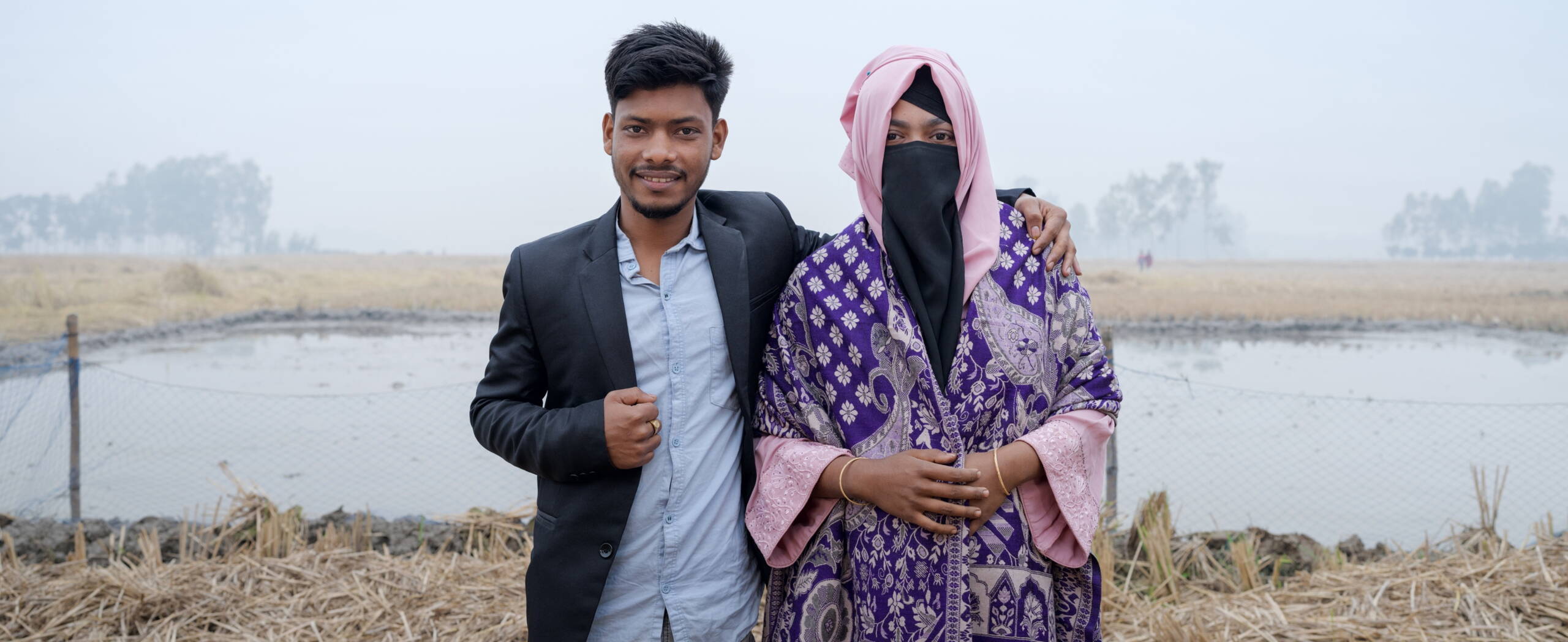
A child marriage is considered a forced marriage if one or both partners have not given their full and free consent. There are no statistics on whether marriages involving children were forced or not. In most cases, however, a number of factors come together to exert subtle or obvious pressure on the future spouses.
 

Regardless of whether coercion is involved or the marriage is entered into voluntarily, child marriage violates the rights of both girls and boys and has far-reaching consequences for their development.

Girls sit proudly behind a laptop.
Computer training for girls in Bangladesh.
© Fabeha Monir/WHI
Support us!

Donate now for empowered women – protected lives

Notsituation im Bangladesch
Prekäre Lage in fdsfs für Frauen und Kinder

Self-help group.

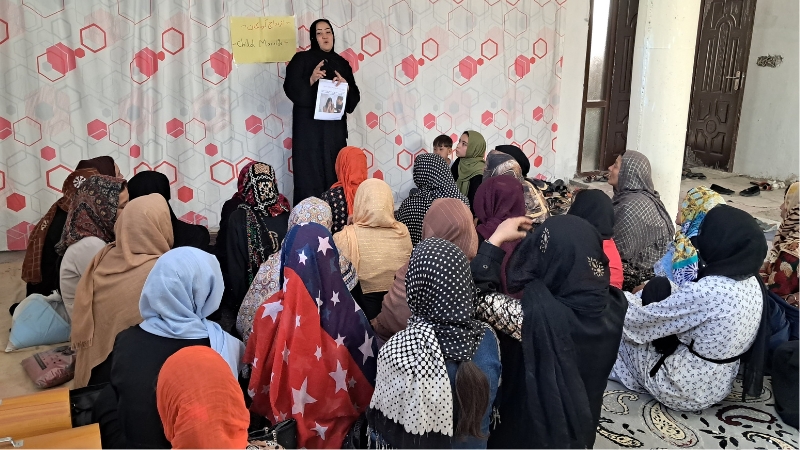
In self-help groups in Afghanistan, women discuss the harmful consequences of child marriage.
© WHSA/WHI