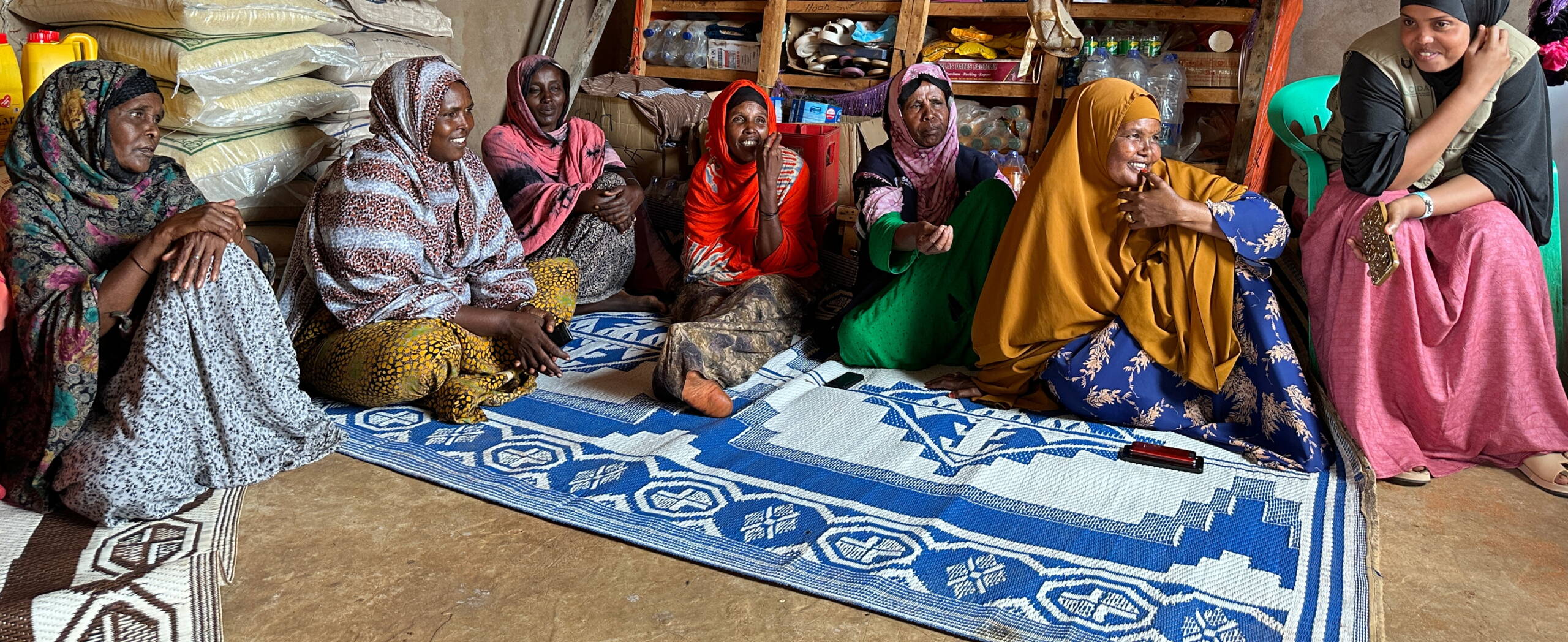
The rural Somali Region in eastern Ethiopia is severely underserved. The region falls below the Ethiopian average across all key indicators, but healthcare provision is particularly precarious: there is a lack of infrastructure, staff and medicines. Maternal and infant mortality rates even worsened in recent years.
The already weak healthcare system is under additional pressure due to the large number of displaced people. Climate change is placing an additional burden on local communities.
Despite being legally prohibited, female genital cutting is almost universal in the region, with most women subjected to the most severe form. As a consequence, women suffer serious, lifelong consequences. In addition to chronic physical and psychological health problems, this human rights violation contributes to the high maternal and infant mortality rates.