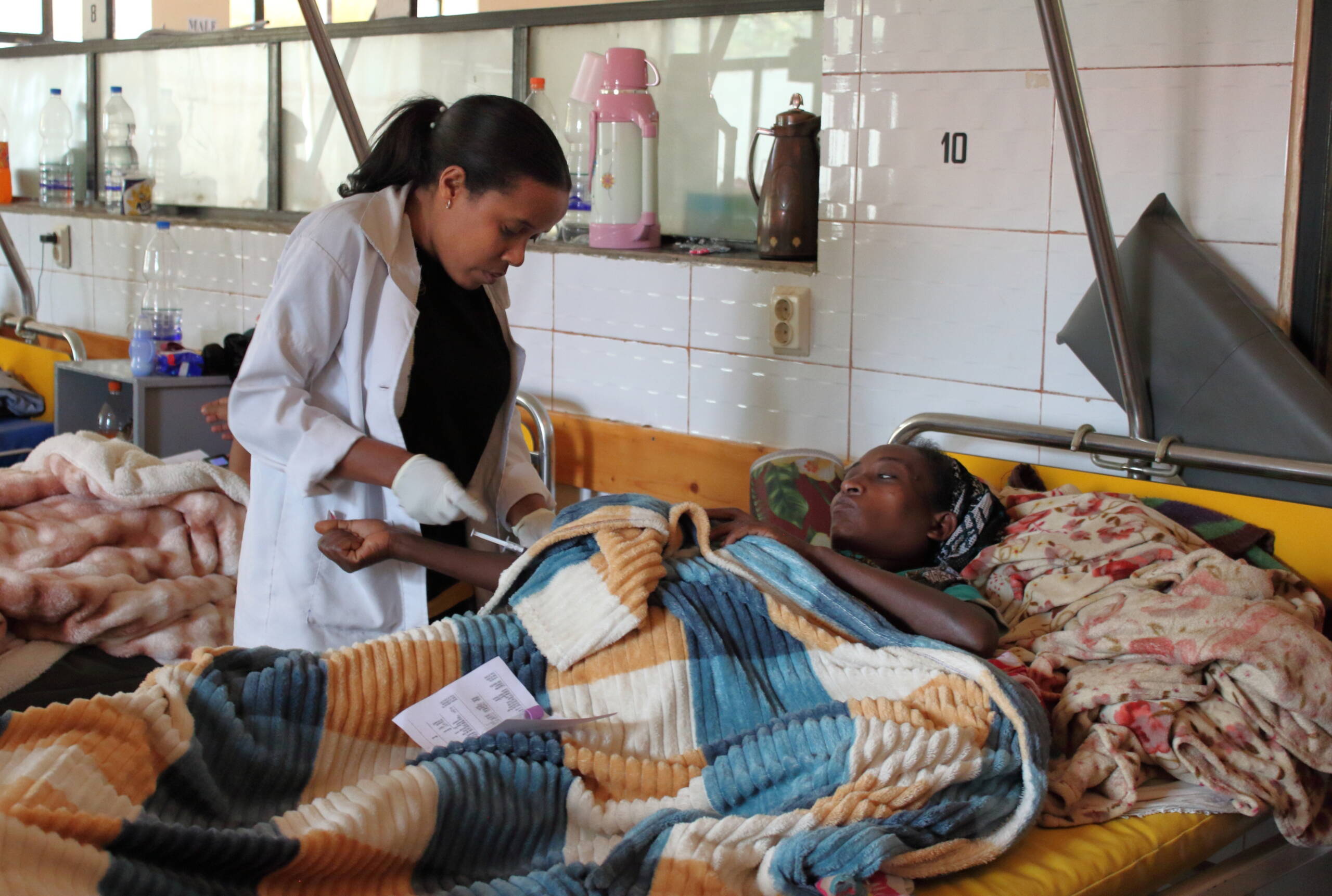
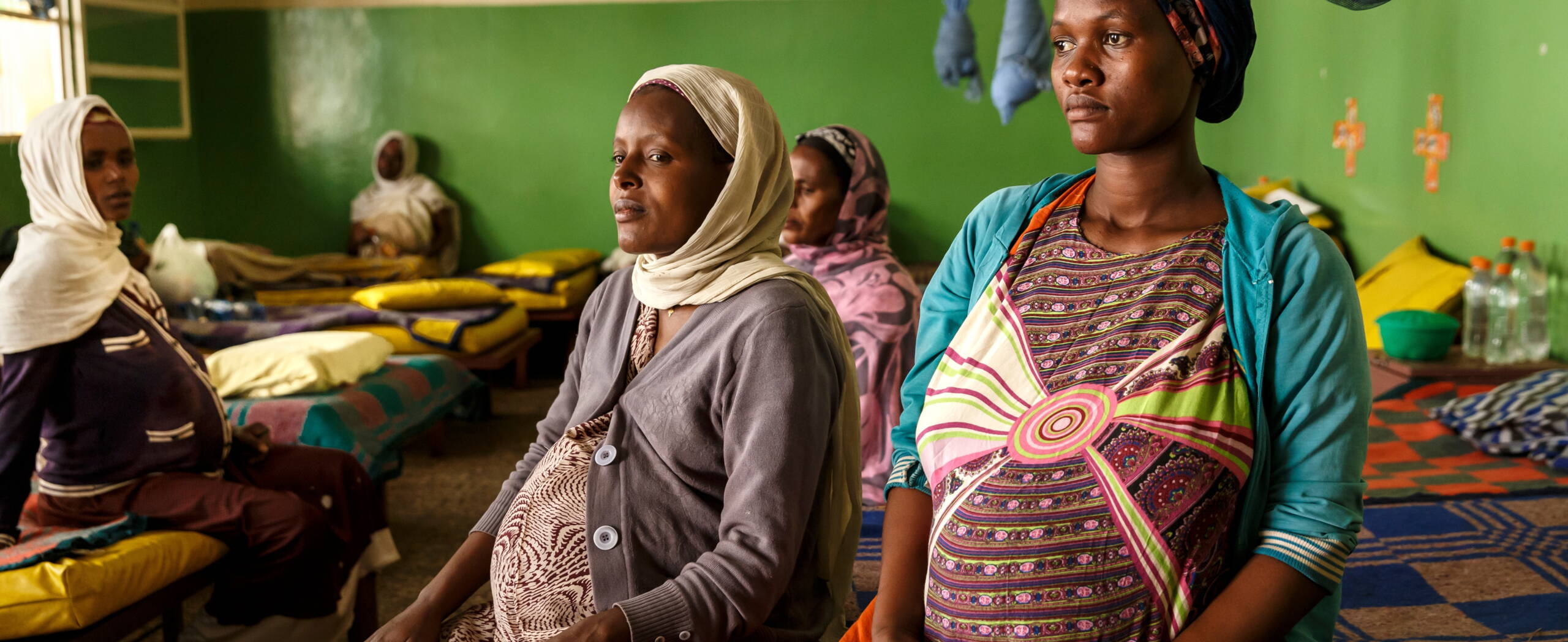
Pregnant women are sitting on beds, waiting.
Women waiting to give birth, Attat Hospital, Ethiopia.
© Hanspeter Bärtschi/WHI

Maternal mortality remains high in Ethiopia. Many women have no access to healthcare during pregnancy and childbirth because services are unavailable, too far away or unaffordable. Our project provides women in the Gurage Zone with skilled care throughout pregnancy and childbirth while strengthening local healthcare services.


Local partner

Attat Hospital is a private hospital in rural Ethiopia that has been working for more than 50 years to promote safe births and improve maternal health. It provides medical care for pregnant women, newborns and malnourished children.


Objectives

Pregnant women, mothers and newborns in the Gurage Zone in Ethiopia gain improved access to high-quality healthcare.


Activities

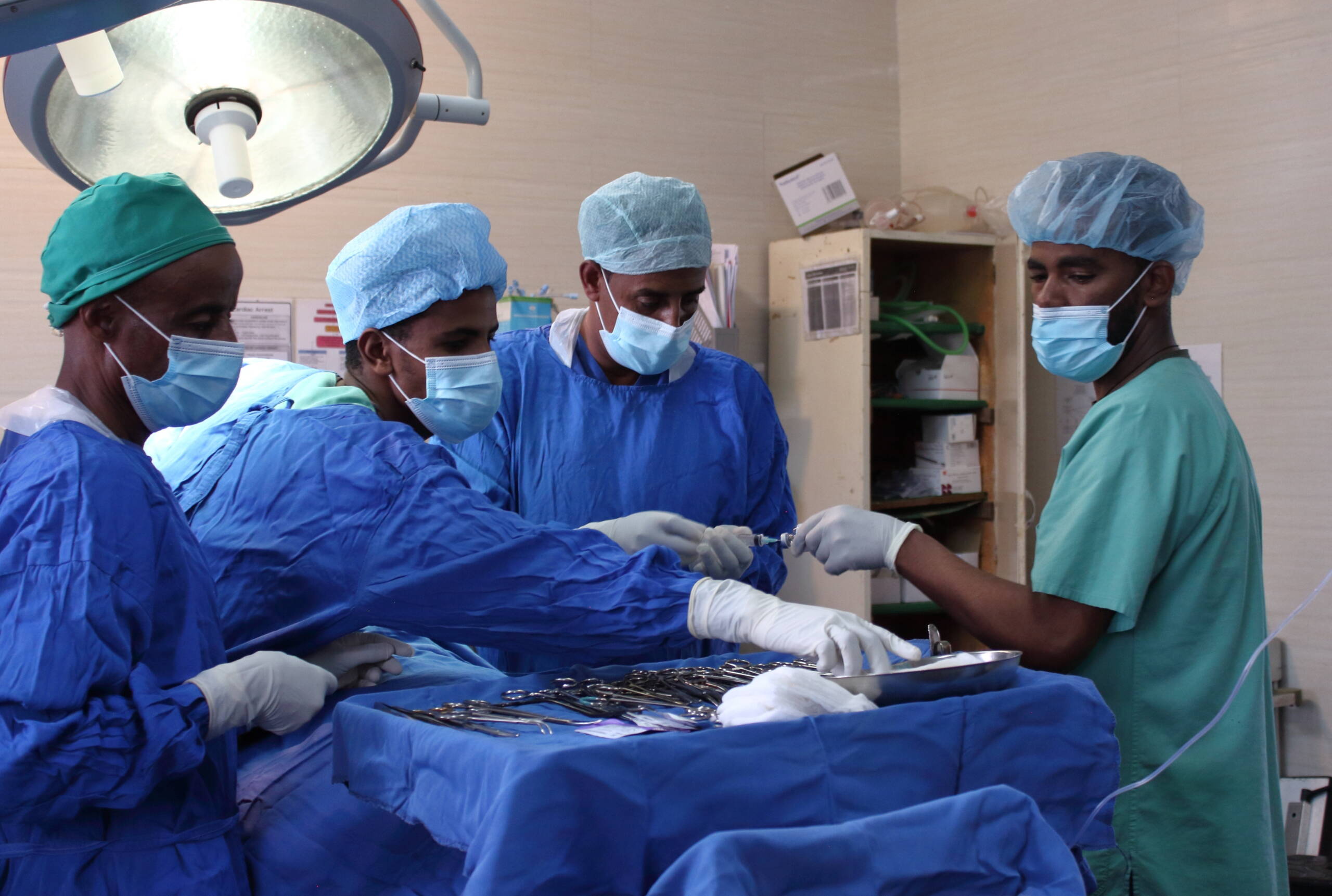
Supporting a maternity waiting home for high-risk pregnancies and the adjacent hospital, training local healthcare personnel – including in safe surgery – and strengthening the Attat Hospital’s integration and collaboration within the local healthcare system.


Participants

Around 250 women who use the services of the maternity waiting home each year, approximately 2,000 additional patients at Attat Hospital, nearly 90 healthcare professionals and more than 25,000 people living in the hospital’s catchment area.

In Ethiopia, the risk of mothers dying during childbirth remains very high, at 267 deaths per 100,000 live births. On average, one in every 35 newborns also dies during or shortly after birth – an alarming figure. Many of these deaths could be prevented if mothers and babies received skilled care during childbirth.
 

Access to care for pregnant women, mothers and newborns remains particularly challenging in rural areas. In the Cheha district in the Gurage Zone, where our project is based, only one in three women gives birth in a healthcare facility – significantly below the national average.
 

Many women have no access to healthcare services because facilities are far away, transport options are scarce or too expensive, and political unrest creates additional barriers. Other challenges include resistance within families, limited awareness of the importance of skilled care, and a lack of high-quality healthcare services.

Title: Safe births, safe surgery: Strengthening the local healthcare system in Cheha Woreda
Local partner: Attat Hospital; for the ‘safe surgeries’ component: Lifebox
Project region: Cheha District in the Gurage Zone
Duration: January 2025 to december 2028 (follow-up project)
Intervention areas:
Strengthening the healthcare system
 

Women's Hope has been working with Attat Hospital since 2011, supporting — among other things — a maternity waiting home for high-risk pregnancies, where pregnant women can stay in the days before childbirth, right next to the hospital. In the current project phase, we are placing particular focus on safe surgery at the hospital and on strengthening collaboration with local stakeholders.

Midwives work in a room with several heated cribs.
Newborn unit at Attat Hospital.
© WHI

What we do

We raise awareness by informing pregnant women, their partners and community members about the importance of comprehensive antenatal care and the specific needs of pregnant women and mothers with newborns.
 

We improve the quality of healthcare services and reduce barriers to access by investing in the infrastructure and equipment of the maternity waiting home, providing the hospital with medicines, promoting exchange among healthcare professionals, and identifying women with high-risk pregnancies and covering their treatment costs. We also support three nearby health centres so that staff can better identify high-risk pregnancies and ensure timely referrals to Attat Hospital.
 

We promote safety and quality in surgical procedures, particularly caesarean sections, by supporting training for healthcare personnel through the specialist organisation Life Box and assisting the team in implementing key safety processes.
 

We strengthen the hospital’s financial independence and its links with local stakeholders through a study that identifies measures and derives concrete next steps from them. Through meetings with key figures who are active in maternal health or have relevant influence, we promote the use of synergies.

Sustainability

We ensure the long-term impact of our project by strengthening local capacities. Once the project ends, Attat Hospital will be better equipped to meet national standards, provide high-quality services and collaborate with key local stakeholders.
 

To promote financial sustainability, the hospital is further strengthening its independence through local fundraising initiatives and greater community engagement.
 

The proven maternity waiting home approach to improving maternal and newborn health is a key element recognised by both the Ethiopian government and international organisations.

Logo SDC
Scarlatti Foundaiton
Logo Lottery Fund Canton of Bern

We would like to thank all our funding partners – including those not mentioned here – for making this project possible.

Support Us!

Donate now for empowered women – protected lives

Notsituation im Bangladesch
Prekäre Lage in fdsfs für Frauen und Kinder

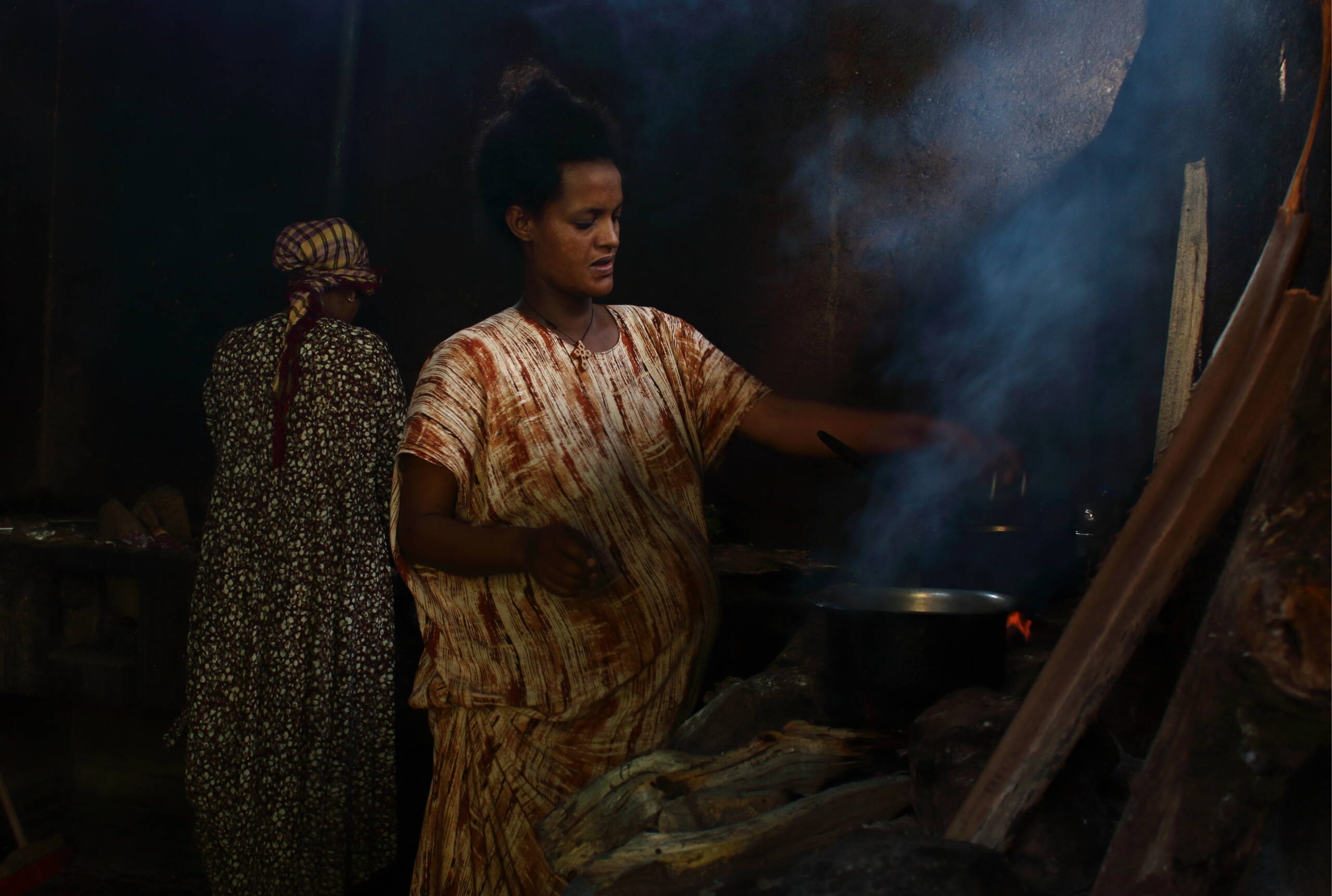
Kitchen at the waiting home

Women staying at the maternity waiting home have access to a simple kitchen, whose equipment is being improved through the project.
© Selina Leu/WHI