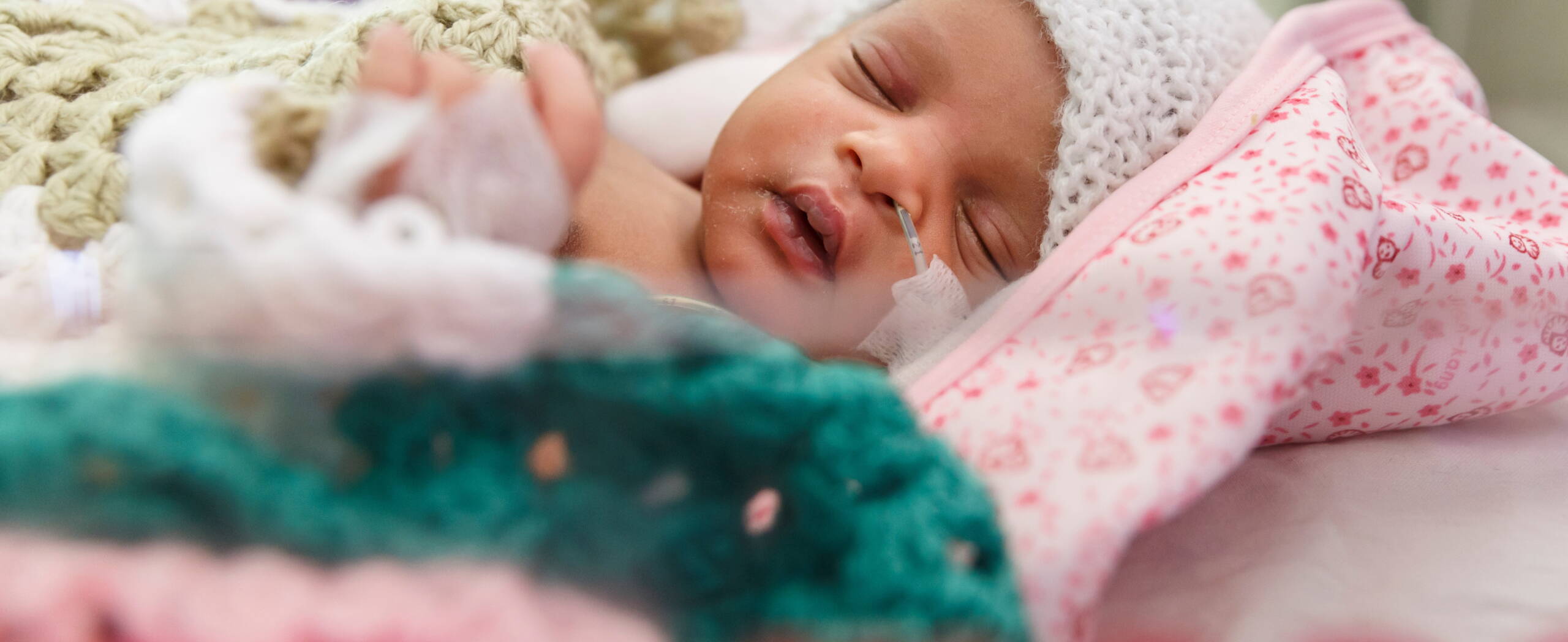
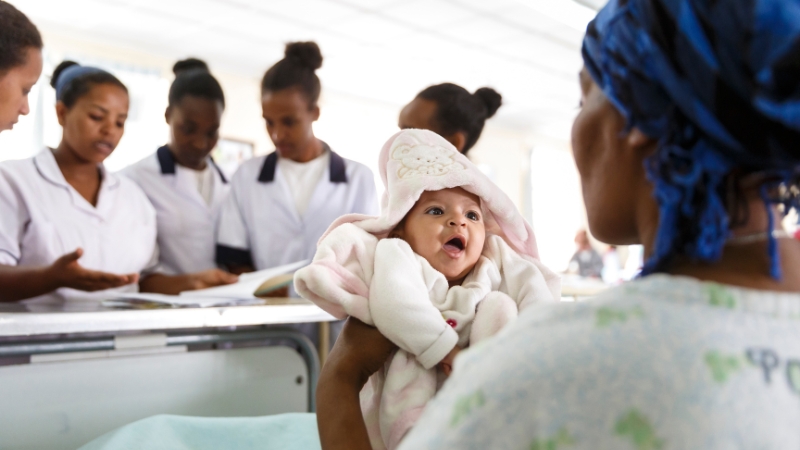
Close-up of a newborn.
Newborn baby in Attat Hospital, Ethiopia.
© Hanspeter Bärtschi/WHI

Every two minutes, a woman dies somewhere in the world due to complications during pregnancy or childbirth. Many of these deaths could be prevented. That is why we work to strengthen health systems and improve women’s access to quality health services – so that more women and their babies survive.
Maternal mortality in numbers

In 2023, 197 women died per 100,000 live births worldwide – around 40% fewer than in 2000, according to the latest UNICEF data. However, progress has stalled since 2015.  Moreover, 1.9 million babies were stillborn in 2023.


Causes

Inadequate health services and significant barriers to accessing them are the main causes of high maternal and infant mortality. The situation is further exacerbated by cuts in international development funding, particularly in crisis and conflict-affected regions.


Consequences

A mother’s death affects the whole family. Without their mother, babies are less likely to survive, while older daughters often take on the responsibility of caring for their younger siblings. Losing a baby at birth also has a profound impact on the family.


Solutions

To make childbirth safer, women need access to health services during pregnancy, childbirth and beyond. They also need the knowledge and resources to protect their own health.

How we work to ensure safe births

Access to good health services for mothers is a right, not a privilege. That is why we take a comprehensive approach: we strengthen health services and help ensure that as many women as possible – including those in remote or disadvantaged regions – can access them.
 

We develop all our programmes in close collaboration with local communities and institutions.
 

Together with our local partner organisations, we:

  • Strengthen health infrastructure: We build maternity wards and equip existing health centres with essential resources, such as solar panels, running water and life-saving medicines.

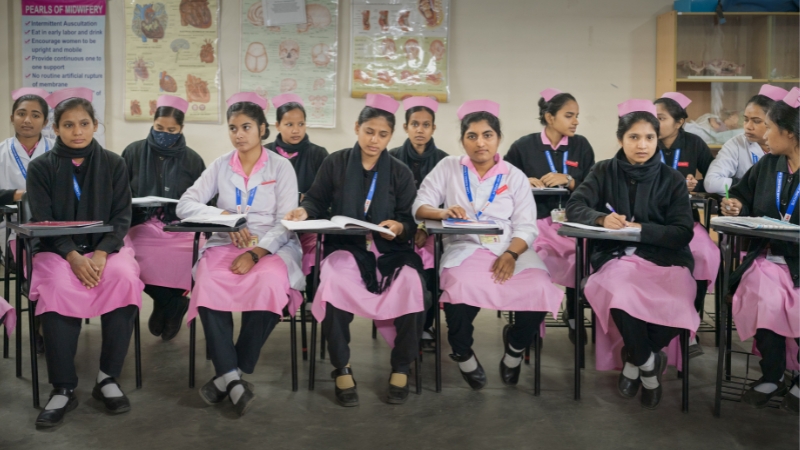
  • Train health professionals: We provide scholarships to enable young women to train as midwives and strengthen the capacity of health professionals in maternal and child health.

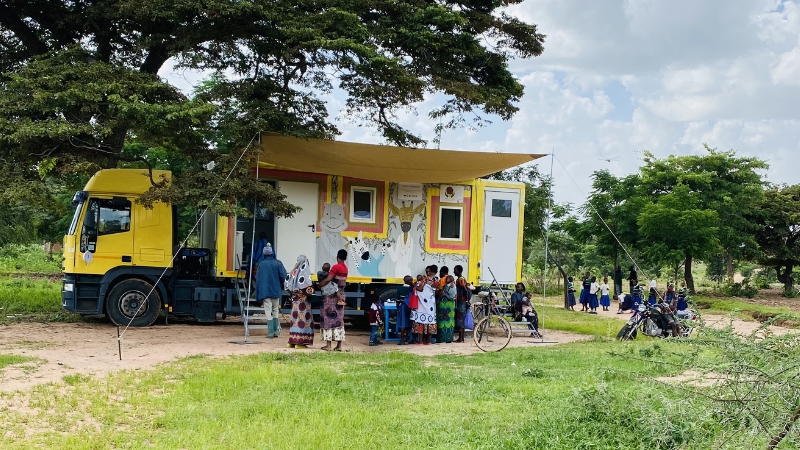
  • Improve access to health services: By providing free services and supporting transport options, we help ensure that girls and women in remote regions can also access essential health services.

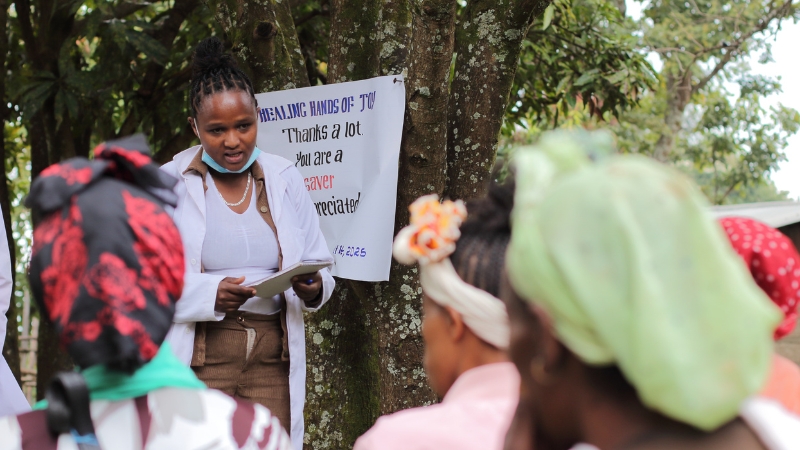
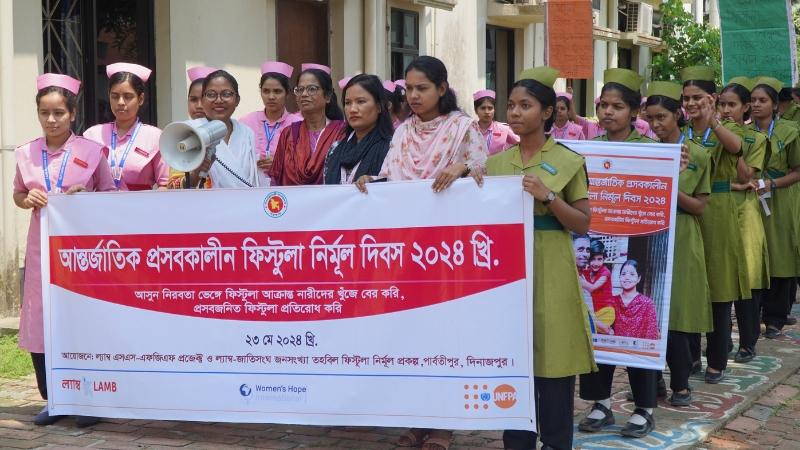
  • Raise awareness and reduce barriers: By providing easily accessible information – for example via a specialised app or awareness-raising events – we inform communities about the importance of comprehensive care during pregnancy and childbirth. We explain how factors such as teenage pregnancy and female genital cutting increase risks for mothers and babies, and provide information on the current legal situation. Our aim is to reduce cultural and social barriers and strengthen the position of girls and women in their communities, so that they not only have access to health services but are also recognised as equal and valued members of society.

Through our work to promote safe births, we strengthen our line of intervention to strengthen healthcare systems.

Professional lifesavers

Watch the video to see the impact of midwifery training in Bangladesh.


A mother with her newborn.
Mother with her newborn, Ethiopia.
© Hanspeter Bärtschi/WHI
Support us!

Donate now for empowered women – protected lives

Notsituation im Bangladesch
Prekäre Lage in fdsfs für Frauen und Kinder

Midwife

First breaths: A midwife with a newborn baby at St Luke’s Hospital in Ethiopia.
© Hanspeter Bärtschi/WHI