
Dieses Element braucht es für die Definition der Reihenfolge der Filter-Elemente.
Es ist nur in eingeloggtem Zustand sichtbar und darf nicht gelöscht werden.
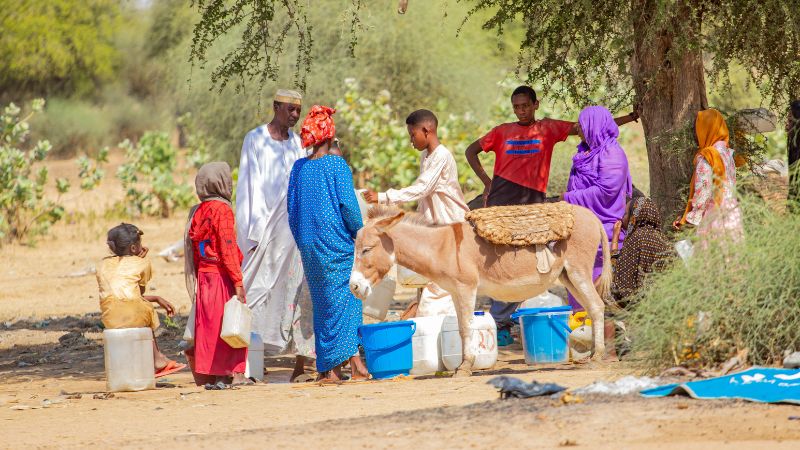
Crisis Chad emergency
Making a Difference Amid Crises: The Impact of International Cooperation
22 October 2026
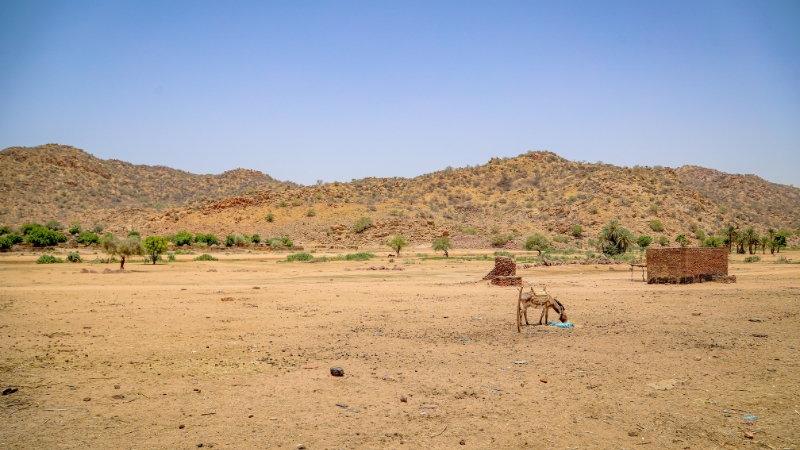
What can international cooperation achieve in fragile contexts – and where are its limits? Research and experience from Chad show why long-term partnerships and local partners are essential.
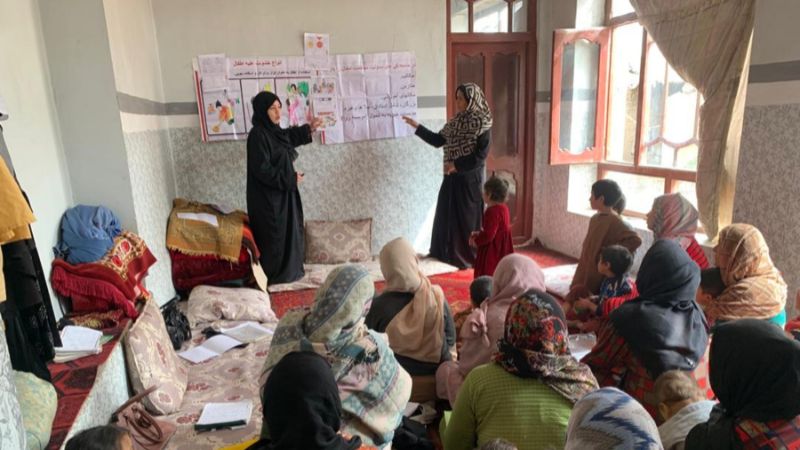
AfGHANISTAN Media coverage
How Afghan Women Are Creating Hidden Spaces of Freedom
14 August 2026
Five years after the Taliban seized power, women in Afghanistan are largely excluded from education and public life. Yet self-help groups and underground schools are creating small spaces for resistance, as Afghan exile Parisa explains. Ref.ch reports.
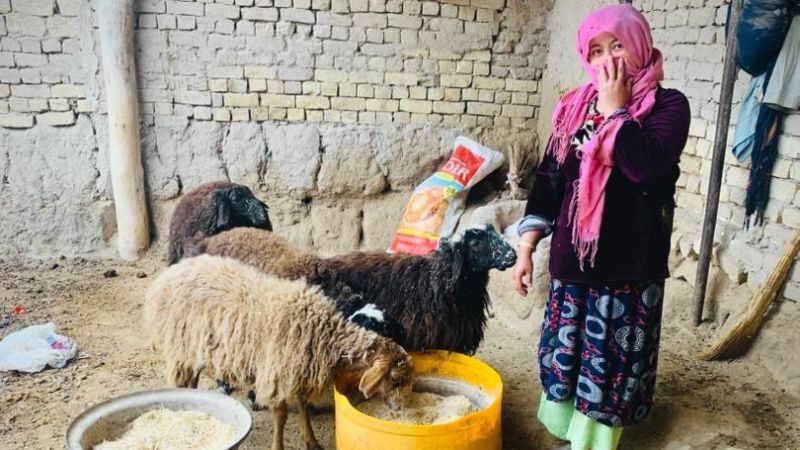
AfGHANISTAN media coverage
Five Years Since the Taliban Takeover
14 August 2026
Five years ago, the Taliban took control of the government in Afghanistan. Since then, the situation for women has deteriorated. In an interview with RaBe-Info, the director of our local partner organisation explains how difficult it is to create safe spaces for women and how women continue to earn a living despite harassment, restrictions and bans. Read the RaBe feature.
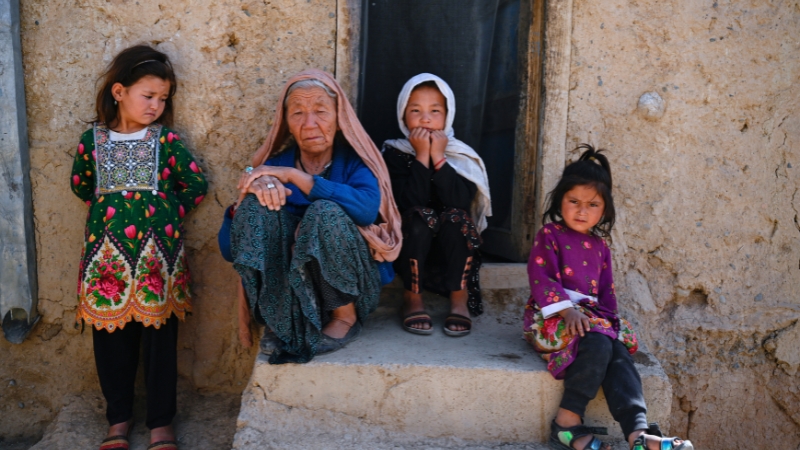
Afghanistan
5 Years of Taliban Rule: Why the Suppression of Women and Girls Is Central to Maintaining Power
Five years ago, the Taliban once again seized power in Afghanistan. Since then, they have systematically expanded their system of rule. There is a strategy behind this: resistance – particularly by women – is to be suppressed before it can even take root.
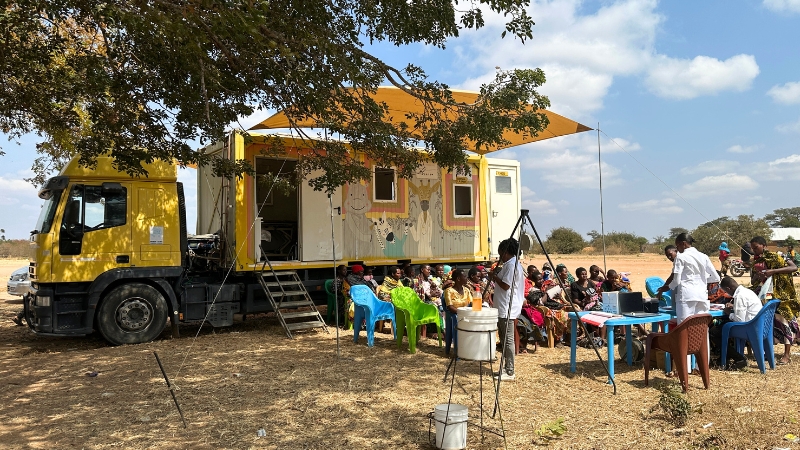
Tanzania
NURU’s Mobile Clinic Becomes Part of Women’s Hope
The mobile clinic run by the Swiss NURU Foundation has been providing healthcare to people in remote regions of Tanzania for many years. From autumn 2026, Women’s Hope will take over responsibility for the clinic, marking the beginning of our work in Tanzania. Together with the local team at the Yanuruni Foundation, we will continue the mobile clinic’s work. For people in the communities we serve, this means one thing above all: continuity.
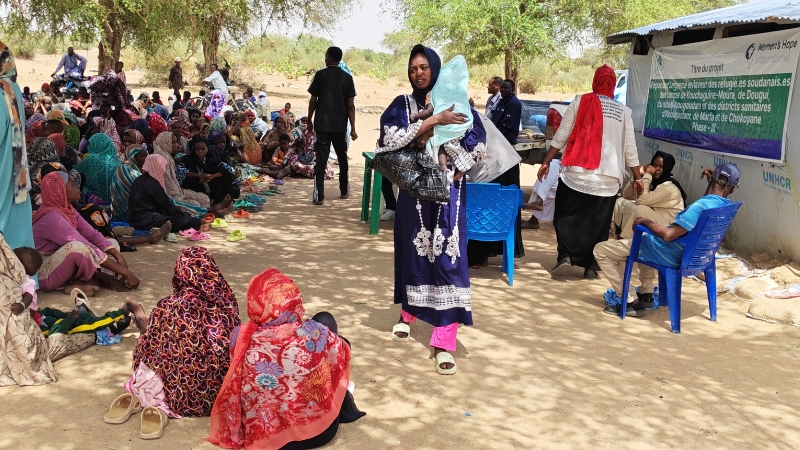
Media coverage
Sexual Violence as a Weapon of War in Sudan
Sexual violence is also used as a weapon of war, including in Sudan. Many Sudanese refugees have sought safety in neighbouring Chad, where they face the consequences of gender-based violence – often with lifelong effects. Read more in the background report by RaBe-Info.
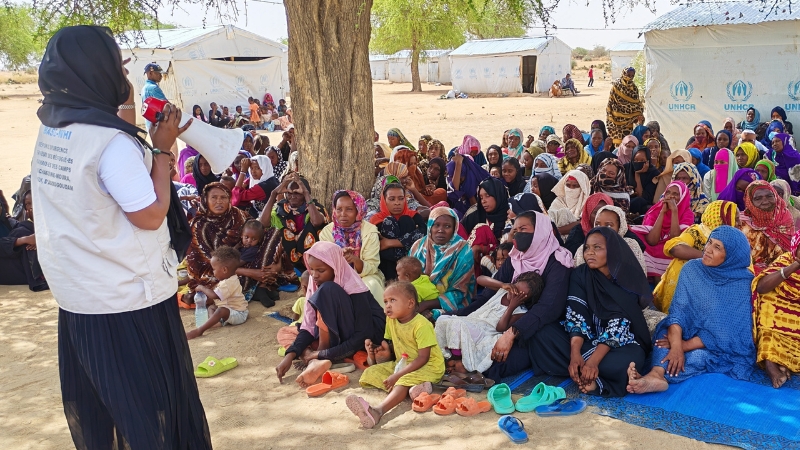
emergency Chad media coverage
Chad: Healthcare System Stretched to the Limit by the War in Sudan
22 June 2026
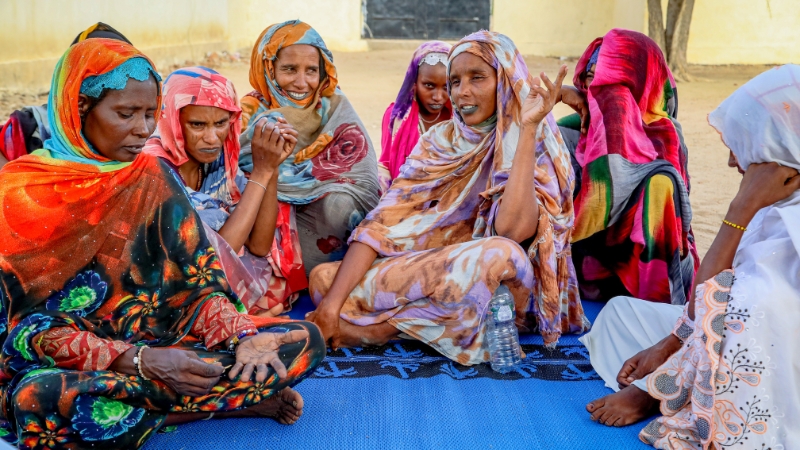
Around one million people have fled to neighbouring Chad because of the civil war in Sudan. Conditions along the border are precarious, particularly for women and girls, who frequently experience sexual violence. Charlotte Gisler, our Programme Manager for Chad, discusses the situation in an interview on Radio SRF’s «Echo der Zeit».
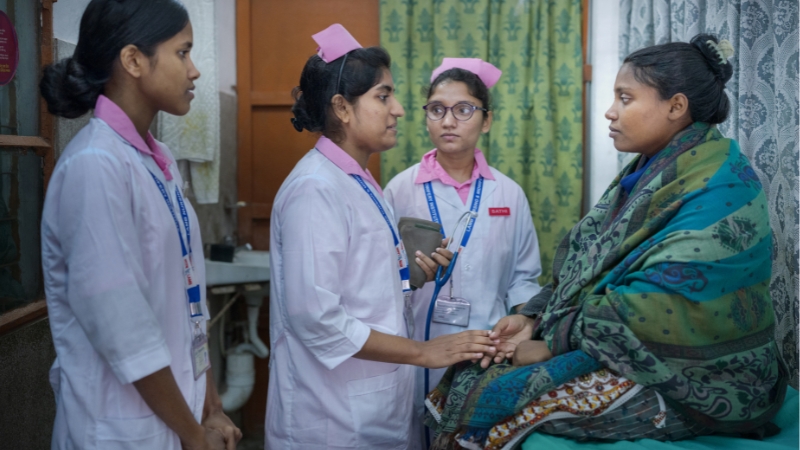
Bangladesh
Shapla’s Dream: Being There for Mothers
Every two minutes, a woman somewhere in the world dies from complications during pregnancy or childbirth. Shapla Akther from Bangladesh refused to accept this. With the help of a scholarship, she trained to become a midwife. Today, she uses her knowledge to save lives and help keep families together.
Context
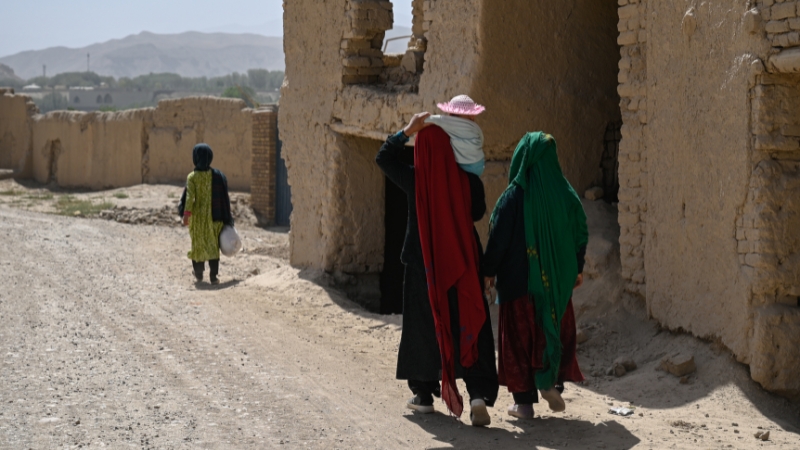
2025 Year in Review – The Collapse of Essential Systems
As international funding declined in 2025, pressure on local healthcare systems around the world intensified. The impact is particularly severe in fragile contexts, where the most vulnerable are hardest hit and hard-won progress in maternal and child health is put at risk.
Ethiopia
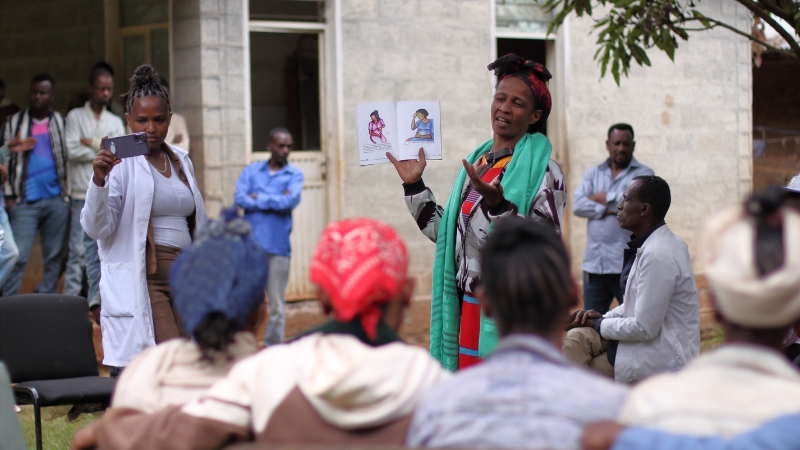
Local Partner in Focus: Working Together to End Obstetric Fistulas
Obstetric fistulas are among the most devastating complications of childbirth – yet many cases are preventable or treatable. Since 2025, we have been working in Ethiopia with a new, experienced partner organisation: Healing Hands of Joy.
Annual Reports
Annual Report 2025
Our annual report gives you an overview of the projects carried out during the past financial year and highlights what we have achieved together.
Ethiopia
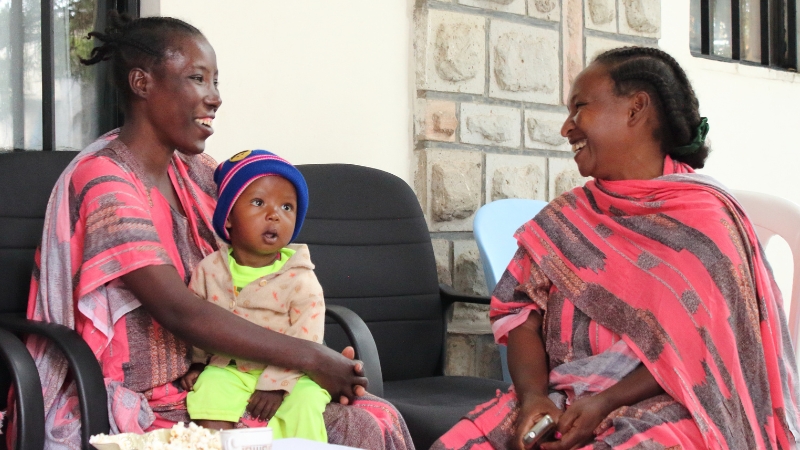
Former Fistula Patients: How We Involve Women Affected
Women who have experienced obstetric fistula themselves understand what others affected by the condition are going through. That is why we work closely with women who have recovered from obstetric fistulas in our efforts to combat the condition. Workenesh Wolde is one of them.
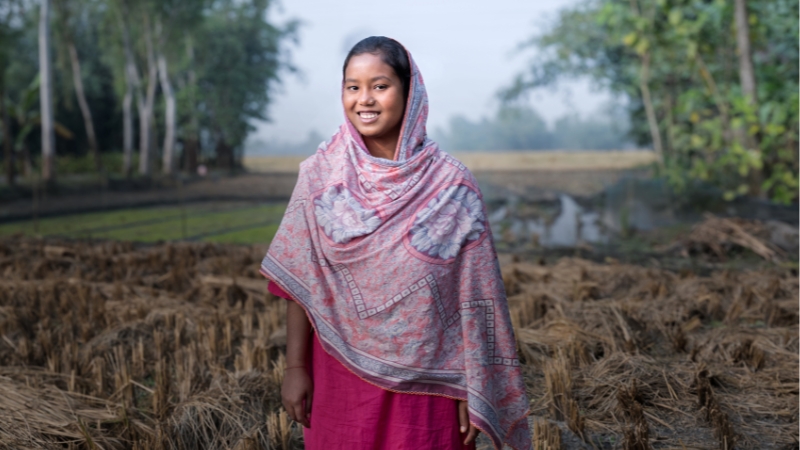
Bangladesh
Ujala’s Story
With courage and determination, 16-year-old Ujala from Bangladesh stood up against child marriage and fought for her dreams. Today, she is back at school and looks to the future with confidence.
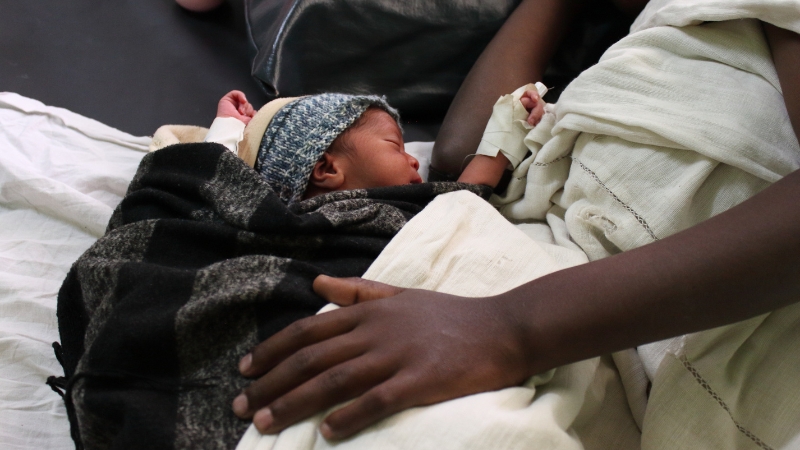
Chad emergency
Massacre in Sudan – and the World Is Responding Far Too Slowly
Last week, the RSF militia carried out a massacre of civilians in the Sudanese city of El Fasher. Among those killed were pregnant women, children and medical staff.
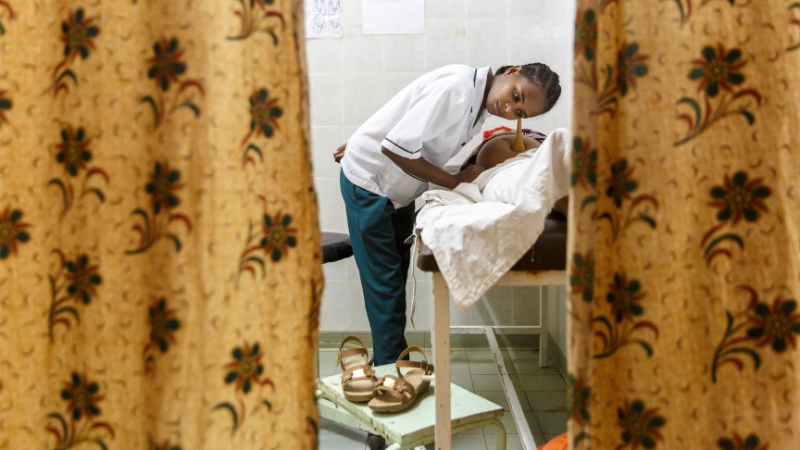
context
The right to health: under threat of being abolished
The international community is increasingly calling fundamental human rights into question – including the right to health. Hard-won progress is at risk of being undone as a result.
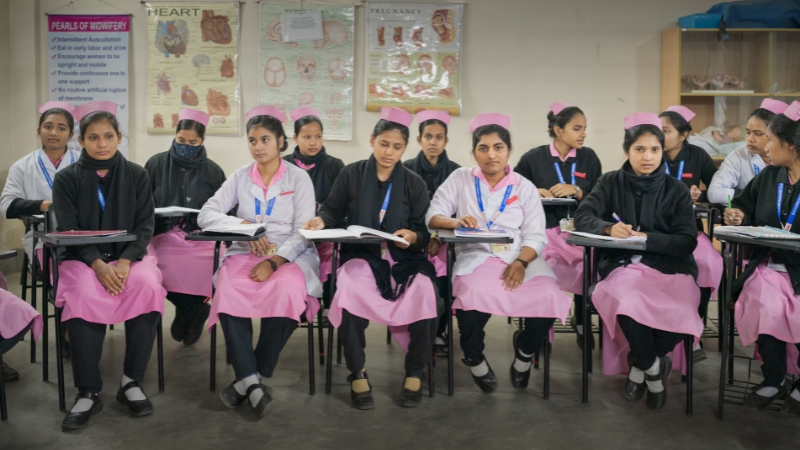
context
Are we facing a global health crisis? The alarming facts at a glance
Health experts are warning of an impending global health crisis. The following figures make for sobering reading.
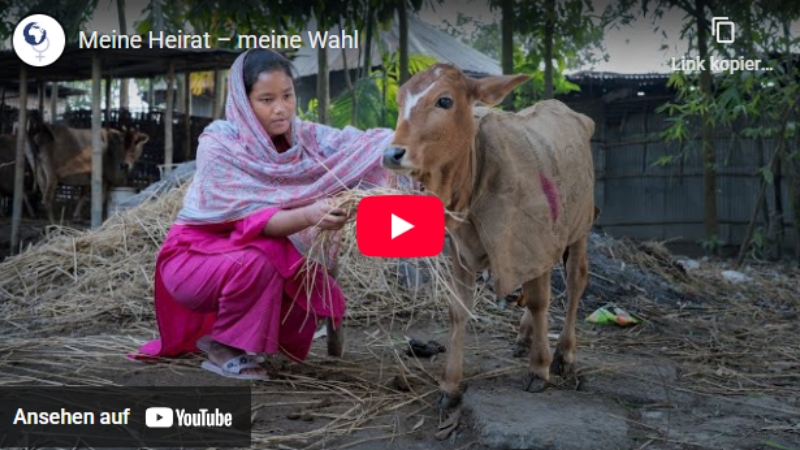
Bangladesh Video
My marriage, my choice
With courage and determination, 16-year-old Ujala from Bangladesh stood up against early marriage and fought for her dreams. Today, thanks to the support of Women's Hope, she is back at school and looking to the future with confidence.
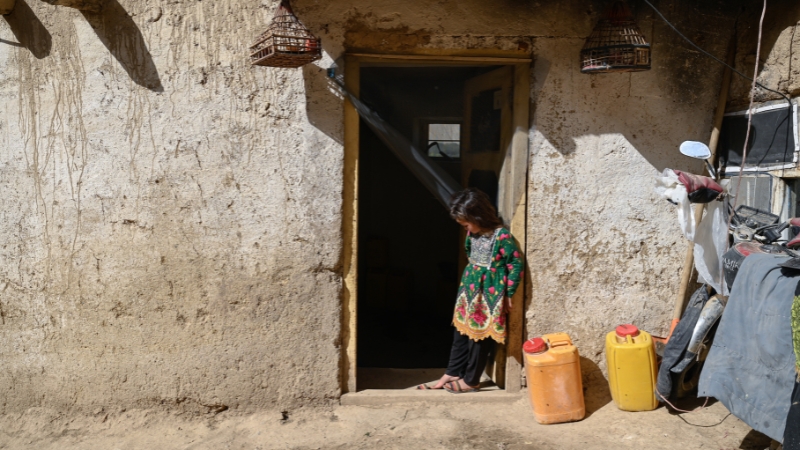
Afghanistan emergency
Update: Earthquake in Afghanistan
A devastating earthquake has struck Afghanistan, a country already facing an extremely difficult situation. More than 1,000 people have lost their lives, thousands have been injured and many have lost their homes.
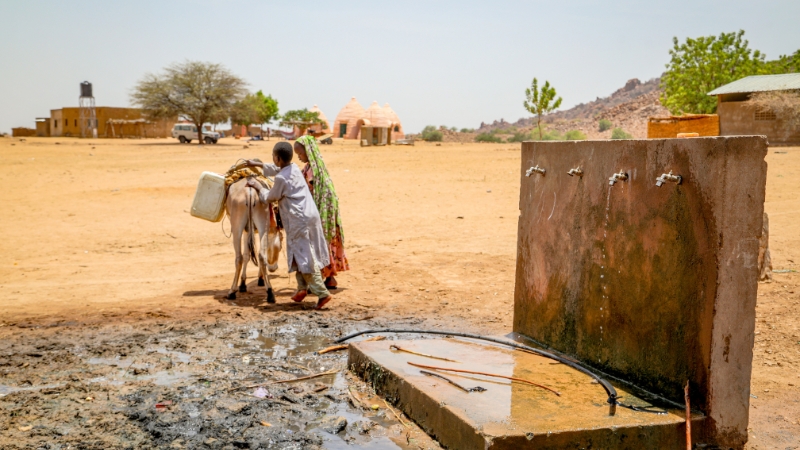
Chad
Giving birth without water – this is the reality
Health centres are few and far between in eastern Chad. And many lack even the most basic facilities – including access to water. Ahmat Malick, a doctor and programme coordinator for our local partner organisation, BASE, knows all too well what this means for mothers, babies and midwives.
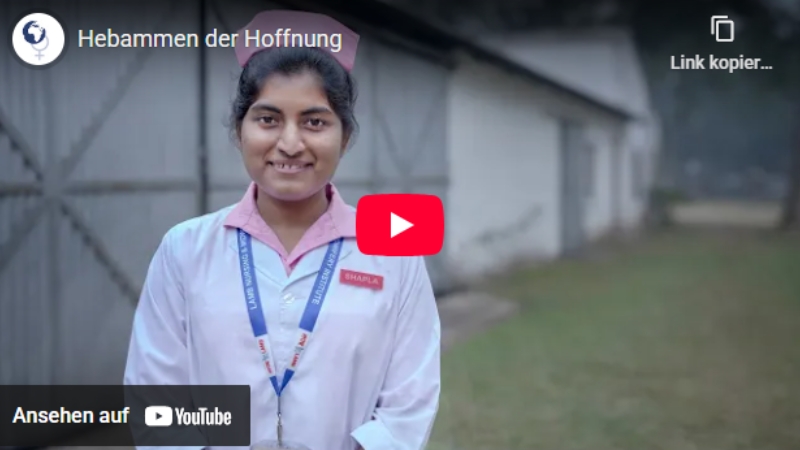
Bangladesh Video
Midwives of hope
Every two minutes, a woman somewhere in the world dies from complications during pregnancy or childbirth. Many of these deaths could be prevented if women received the medical care they need. This video tells the story of a young woman in Bangladesh who is training to become a midwife thanks to a scholarship – and, in doing so, is changing the lives of other women.
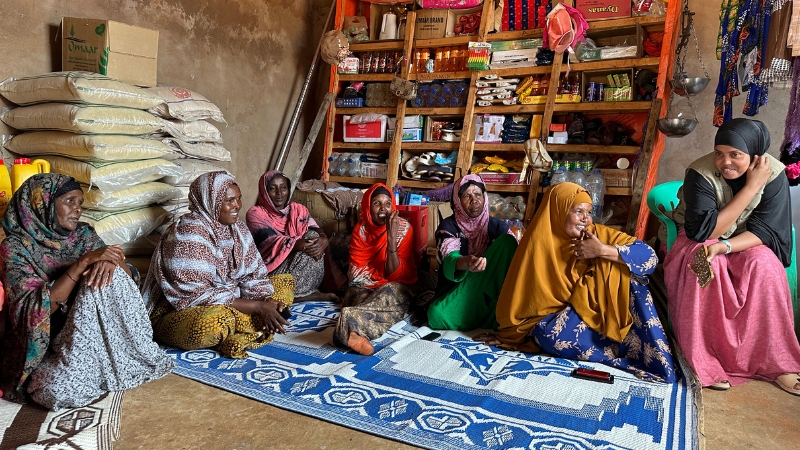
Ethiopia
Change takes patience and sensitivity
How do you break with a tradition that is deeply rooted in a culture and harmful to women? Our local project partner, midwife Nimcan Ahmed Mohamed, shares her experiences, challenges, hopes and early successes in the fight against female genital cutting (FGC) in rural Ethiopia.
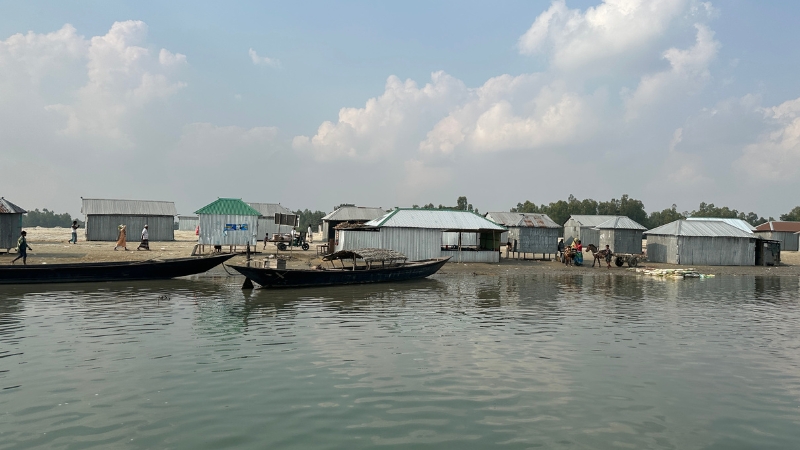
Bangladesh Emergency
Left to fend for themselves during childbirth
Healthcare in Kurigram, the poorest district in Bangladesh, is virtually non-existent. Noemi Grossen, our Managing Director, describes conditions that are almost unimaginable to us and explains what we are now doing together with our local partner to improve the situation.
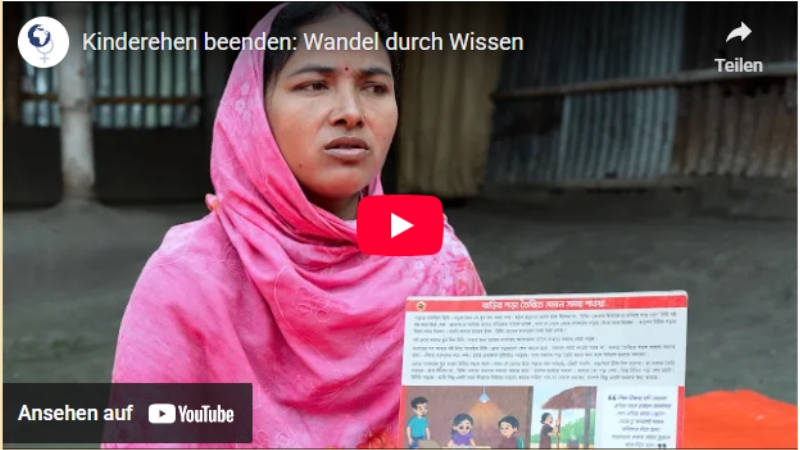
Bangladesch Video
Ending child marriage: driving change through education
Wife instead of student, household chores instead of play: child marriage is still widespread around the world, with devastating consequences. That is why we are committed to ending it. Bringing about change takes time and requires a shift in attitudes across society. In this video, we show how we are working together with our local partner in Bangladesh to help drive this change.
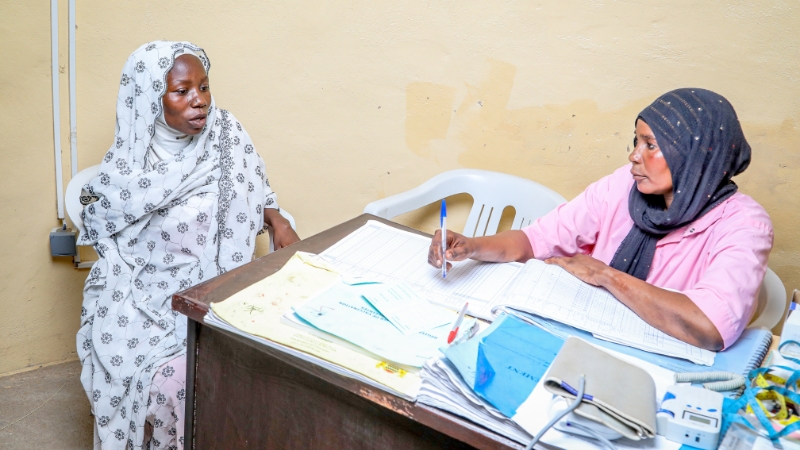
Chad
New app in Chad makes health information accessible to everyone
Our new app, “Notre Bébé et Nous”, supports families in Chad throughout pregnancy, childbirth and the first months with their baby. But how can we reach people who have neither internet access nor a mobile phone?
Context
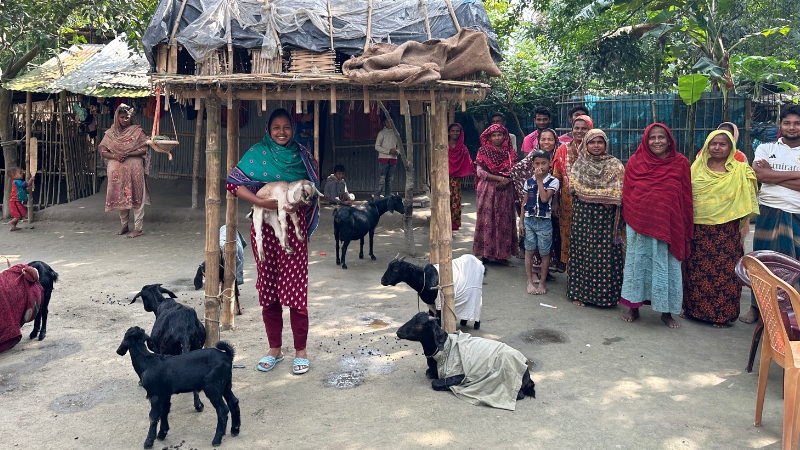
2024 in review – making an impact against all odds
Women and girls forced to flee, political protests and restrictions on women’s rights: 2024 was a year of considerable challenges in our partner countries. These difficult circumstances called for flexibility – and led us and our local partner organisations to explore new areas of action.
Annual reports
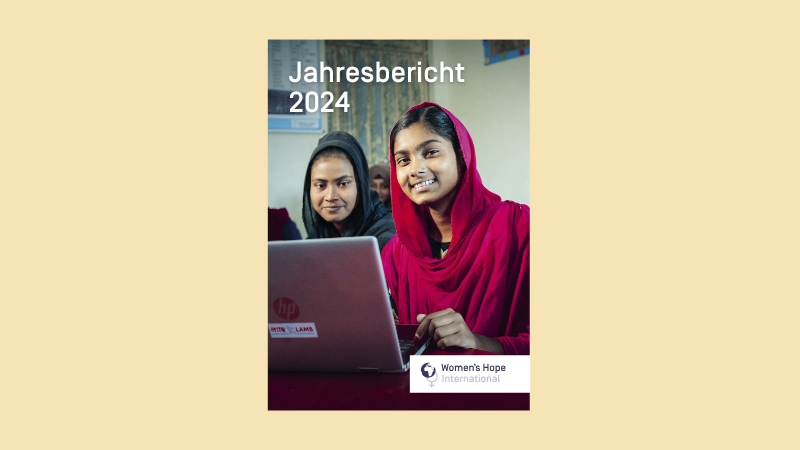
Annual Report 2024
The annual report provides you with information about the projects carried out during the past financial year and shows what we have achieved together.
Chad
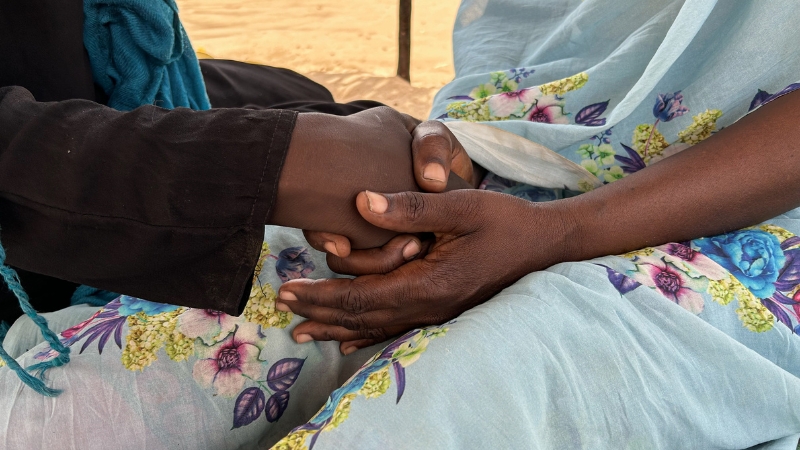
From women, for women
When selecting a local partner for our new project in Chad, which supports women living with obstetric fistula, we made a conscious decision to work with a young Chadian NGO. In doing so, we also want to strengthen local civil society and its capacity to drive change. Dr Habsita Mahamat Abakar, founder of BUNARGED, tells us what this partnership means for her organisation and for her personally.
Emergency Chad
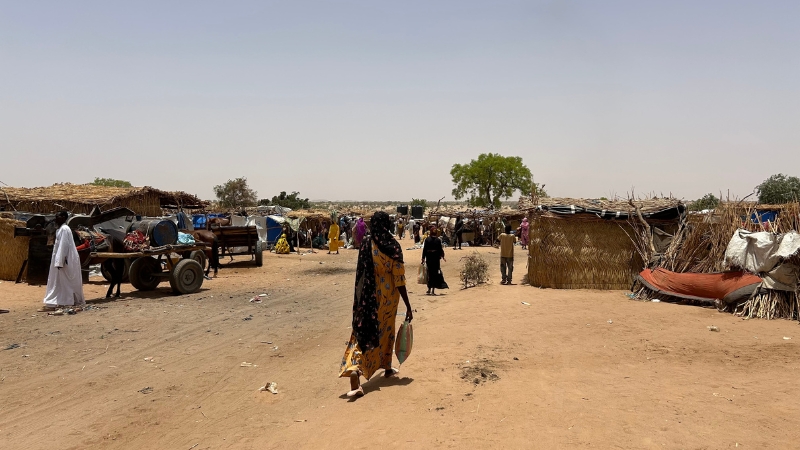
Sudan’s refugee crisis: providing emergency aid in Chad
The ongoing civil war in Sudan has displaced more than ten million people, many of whom have fled to neighbouring Chad. In response to the escalating humanitarian crisis, we are expanding our work in the east of the country. Our aim is to provide medical support, particularly to pregnant women and children under the age of five.
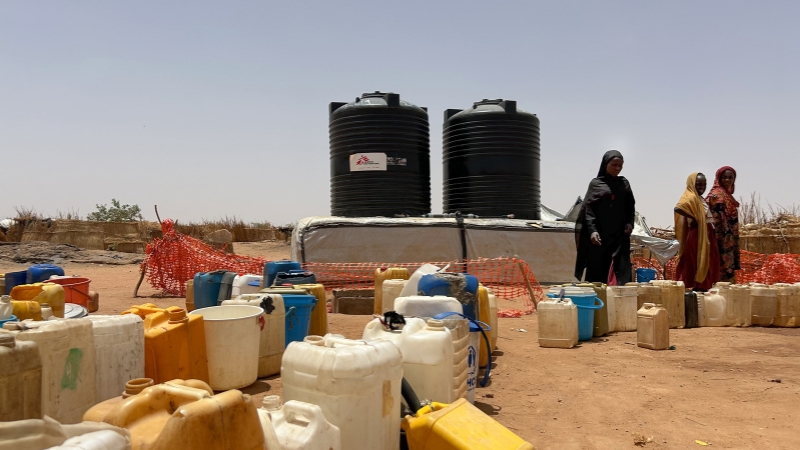
Emergency Tschad
Enttäuschung über Ausgang der Friedensgespräche zu Sudan
Die Gespräche, die der sudanesischen Bevölkerung endlich den erhofften Frieden hätten bringen sollen, sind gescheitert. Wir sind im benachbarten Tschad aktiv und spüren in unseren Projekten die Auswirkungen des Krieges unmittelbar. Angesichts des unermesslichen menschlichen Leids sind wir enttäuscht über den Ausgang der Verhandlungen.
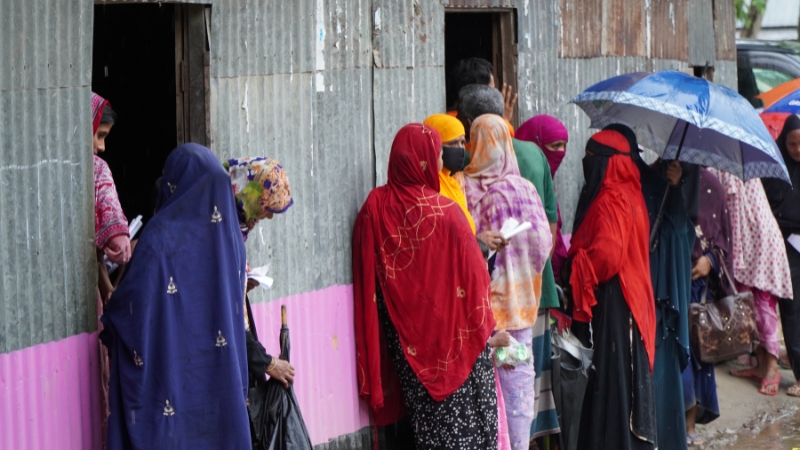
Emergency Bangladesch
Bangladesch: Überschwemmungen bringen Bevölkerung in medizinische Notlage
In unserer Projektregion im Nordwesten von Bangladesch kam es zu schweren Überschwemmungen. Die Flut bringt insbesondere armutsbetroffene Bevölkerungsgruppen in grosse Not. Wir unterstützen unsere lokale Partnerorganisation darin, Nothilfe zu leisten.
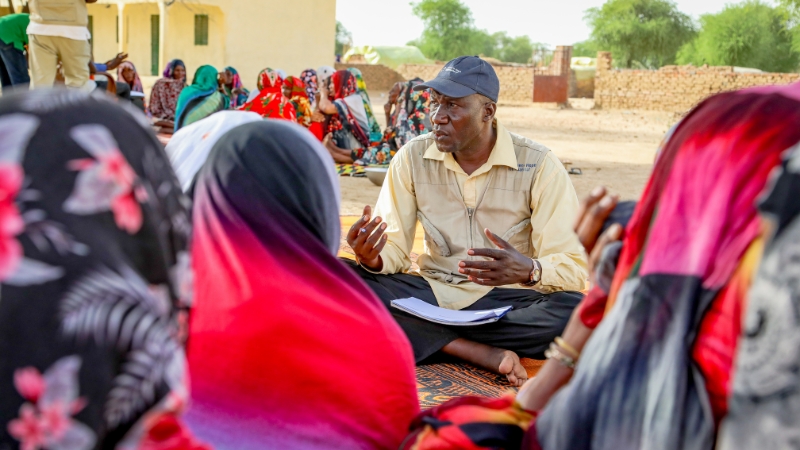
Context
Internationale Zusammenarbeit – wie nachhaltige Veränderung gelingt
Die Trends der letzten Jahre in der internationalen Zusammenarbeit sind klar: Nicht mehr das «Helfen» steht im Vordergrund, sondern die Förderung von lokal verankerten Strukturen. Auf deren Basis sollen Menschen gestärkt handeln können – mit dem Ziel einer langfristigen positiven Veränderung. Doch wie funktioniert das?
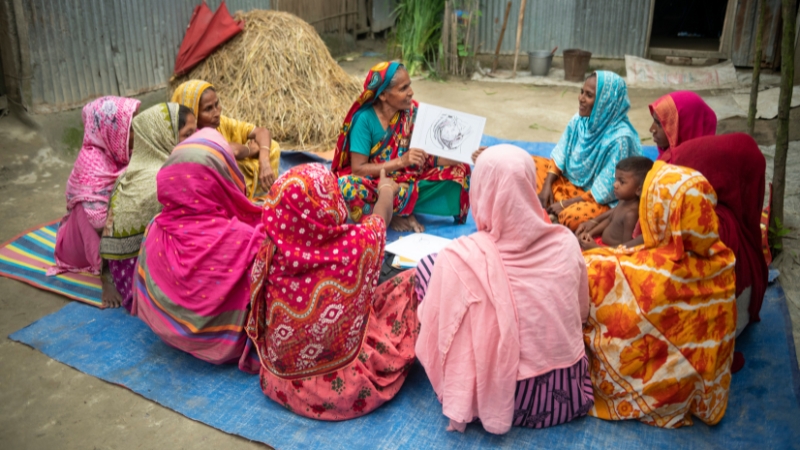
Context
Die Macht der Bilder
Wer über andere berichtet, trägt Verantwortung. Um dieser möglichst gerecht zu werden, arbeitet Women’s Hope vermehrt mit lokalen Bildschaffenden zusammen. Warum diese Herangehensweise für alle ein Gewinn ist.
Chad
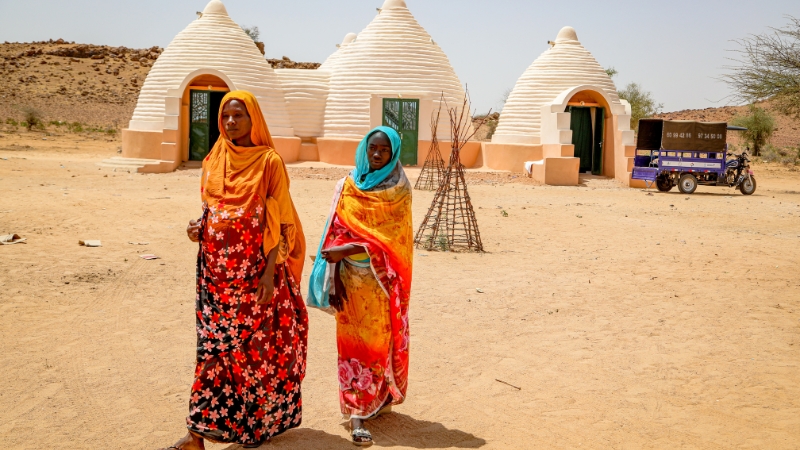
Vertrauen als Voraussetzung für sichere Geburten
Mit Kompetenz und Herzblut bei der Sache: Hebamme Zara Daoud aus dem Geburtshaus Rimélé im Tschad gibt uns Einblick in ihren Arbeitsalltag.
Emergency Afghanistan
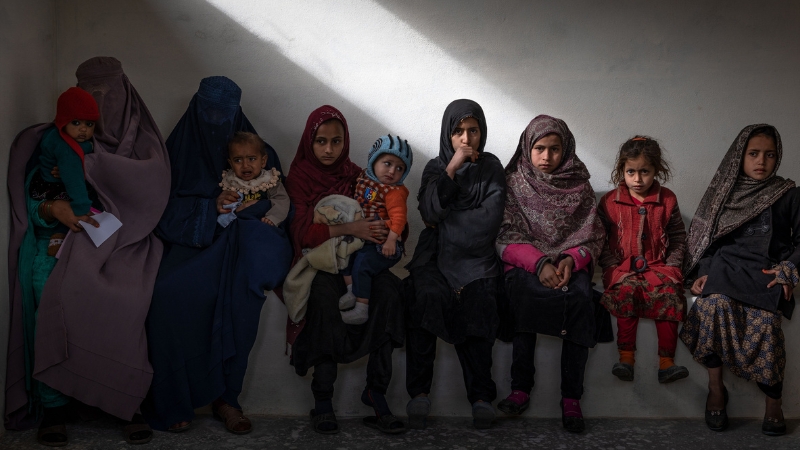
Update zur Situation an der afghanisch-pakistanischen Grenze
Die Nothilfe für die Hunderttausenden von afghanischen Menschen, die von der Regierung Pakistans ausgewiesen wurden, ist in vollem Gange.
Chad
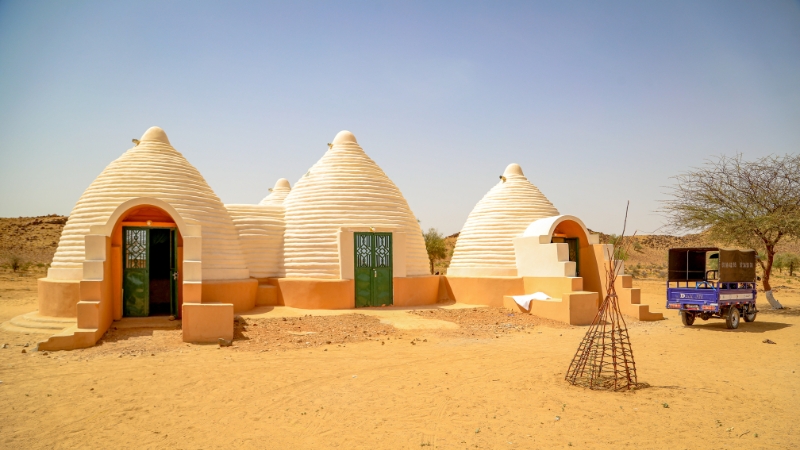
Einzigartige Partnerschaft
Vom Bedürfnis zur Projektidee – und nicht umgekehrt: Seit fünf Jahren arbeiten Women’s Hope International und die Tschader Organisation Bureau d’Appui Santé et Environnement (BASE) zusammen. Wir haben beim Direktor Dahab Manoufi nachgefragt, wie er die Partnerschaft erlebt.
Annual Reports
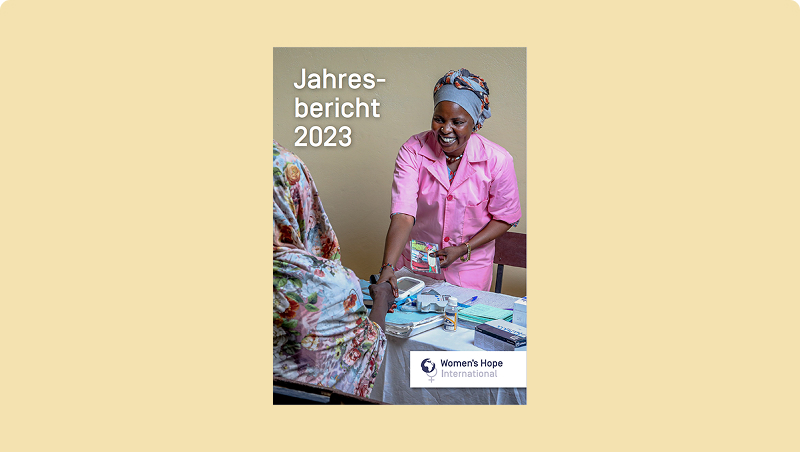
Jahresbericht 2023
Der Jahresbericht informiert dich über die Projekte des vergangenen Geschäftsjahrs und zeigt, was wir gemeinsam bewirkt haben.
Video Context
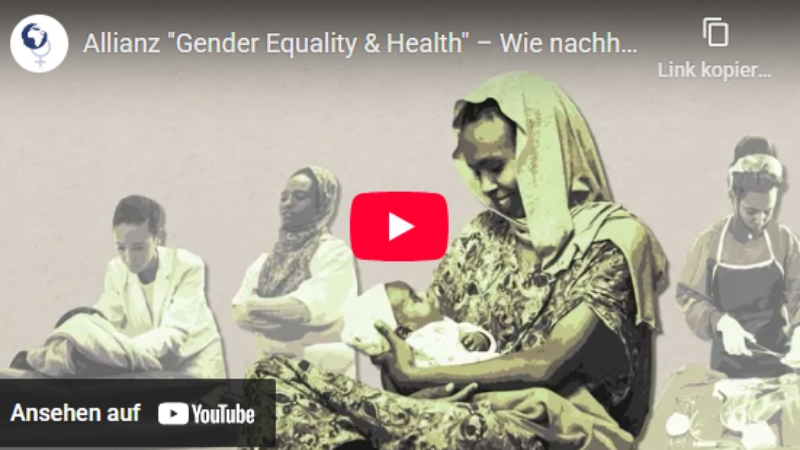
Allianz «Gender Equality & Health» – wie nachhaltige Veränderung gelingt
Gemeinsam für eine Welt, die frei von Diskriminierung und Gewalt ist und in der alle Menschen Zugang zu Gesundheitsversorgung haben. Dafür setzen wir, ein Zusammenschluss von vier Schweizer Nichtregierungsorganisationen, uns ein. Erfahre im Video, wie wir mit einem vielseitigen Ansatz die Herausforderungen möglichst an den Wurzeln angehen.
Afghanistan
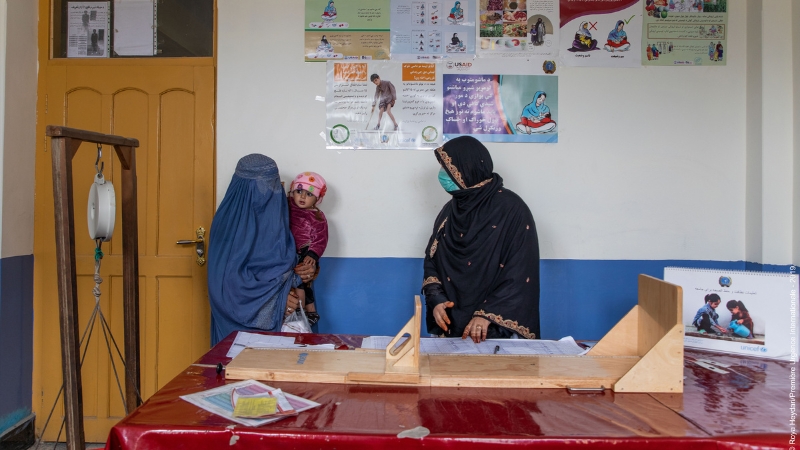
Ungebrochene Widerstandskraft der Frauen in Afghanistan
Die Talibanherrschaft wirkt sich auf die Programmarbeit von Women’s Hope und den Partnerorganisationen in Afghanistan aus. Die Herausforderungen sind gross – doch die Erfolge im Kleinen für die Frauen im Land umso wichtiger.
Context
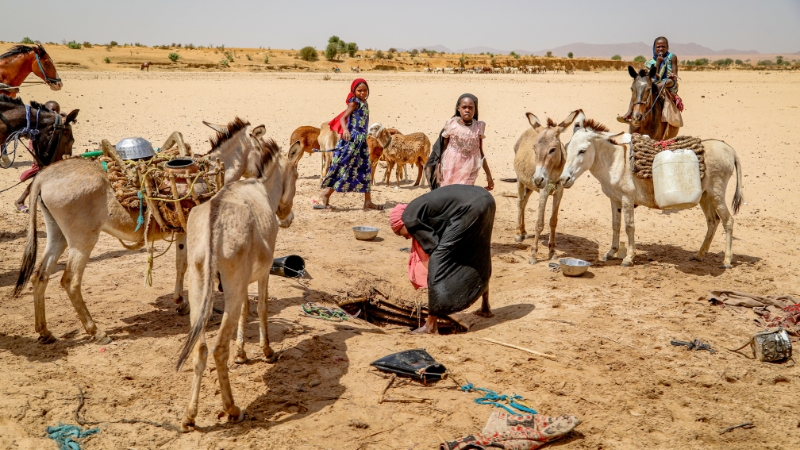
Klimawandel trifft vorwiegend Frauen und Mädchen
Der Klimawandel ist nicht geschlechtsneutral. Er betrifft Mädchen und Frauen besonders. Mehr noch: Die Umweltkrise verschärft bereits bestehende Muster der Diskriminierung und Gewalt gegen Frauen und Mädchen. Deshalb müssen Geschlechtergerechtigkeit und Klimapolitik gemeinsam angegangen werden.
Emergency Ethiopia Context
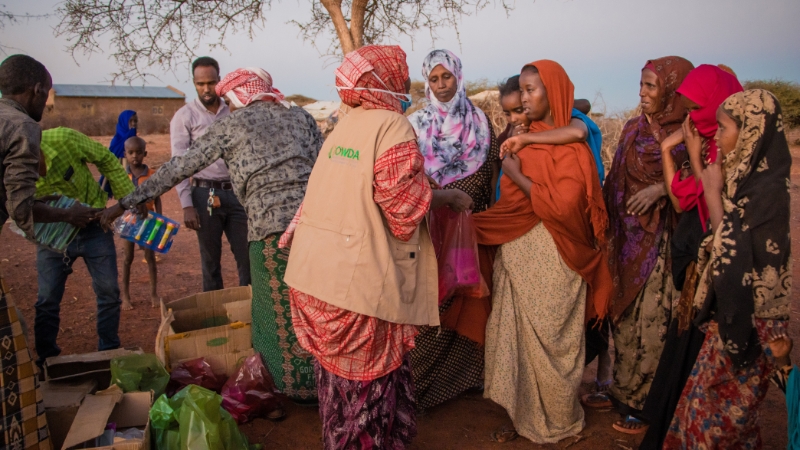
Schwangere Frauen besonders betroffen vom Klimawandel
Die Dürrekrise am Horn von Afrika zeigt: Schwangere Frauen, stillende Mütter und ihre Babys haben unter dem Klimawandel besonders zu leiden. Women’s Hope versucht, Betroffene möglichst gut zu unterstützen.
Context
Die enormen menschlichen Kosten des Klimawandels
Eine neue Studie zeigt auf: Die globale Erwärmung wird Milliarden von Menschen aus der «menschlichen Klima-Nische» vertreiben. Je nach Szenario der Erwärmung können die Folgen aber erheblich minimiert werden.
Context
Internationale Zusammenarbeit im Wandel – ein Interview zum 20-Jahre-Jubiläum
Die internationale Zusammenarbeit hat sich in den vergangenen zwanzig Jahren stark verändert. Martin Leimgruber, Mitgründer von Women’s Hope International, und Geschäftsleiterin Noemi Grossen sprechen über die gesellschaftliche Stellung von Frauen, die Verantwortung des Staates und aktuelle Herausforderungen.
Afghanistan
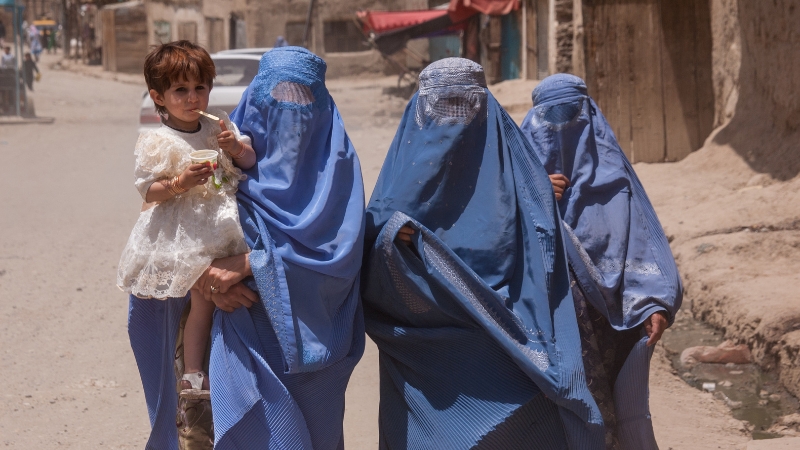
Afghanistan: Trotz erschwerter Umstände setzen wir unsere Arbeit fort
In den letzten Monaten schränkten die Taliban die Rechte von Frauen und Mädchen in Afghanistan einmal mehr massiv ein. Seit dem 6. Dezember 2022 dürfen Mädchen nur noch bis zur 6. Klasse an der Schule bleiben. Weiter erliess die Taliban-Regierung ein Verbot für NGO-Mitarbeiterinnen, ihrer Arbeit nachzugehen.
Chad
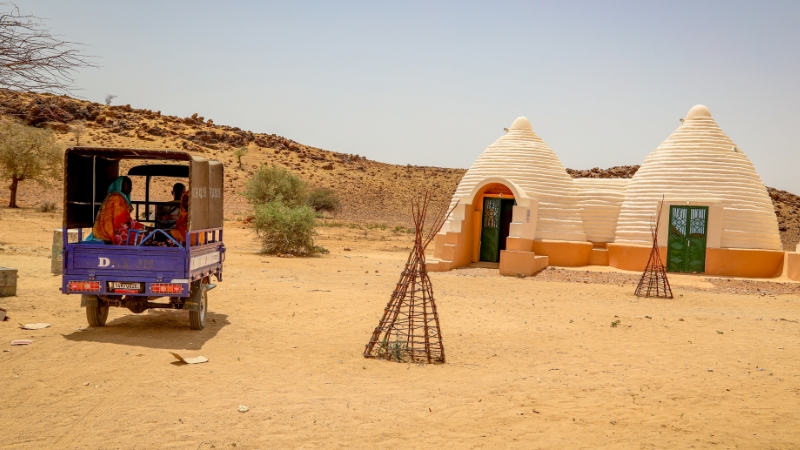
Moto-Ambulanzen retten Leben
Die beste Gesundheitsversorgung nützt nichts, wenn sie nicht erreichbar ist. Für die Dorfbewohner und -bewohnerinnen in der Ouaddaï-Region im Tschad war deshalb klar: Eine Lösung muss her. Der Weg zu ihr war aufwendig, doch gerade deshalb besonders nachhaltig.
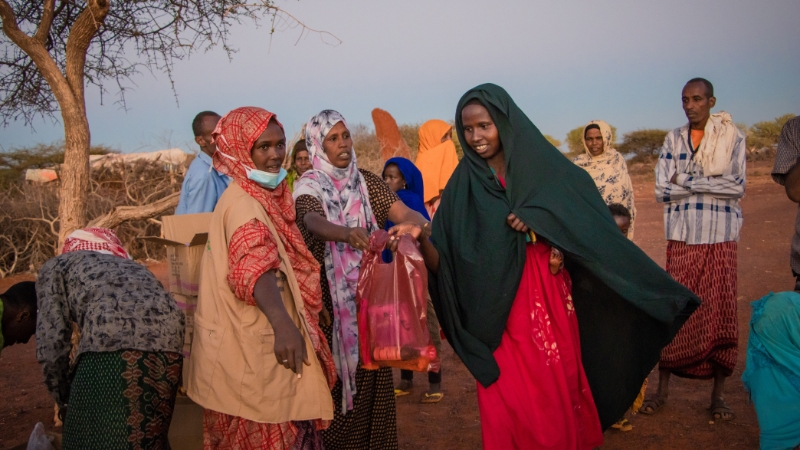
Emergency Ethiopia
Versorgungskrise in der Somali-Region
In der Somali-Region in Äthiopien herrschen prekäre Verhältnisse. Die anhaltende Dürre, die aus drei aufeinanderfolgenden Regenausfällen resultiert, hat das Leben und die Lebensgrundlage der Menschen in den Bezirken Danod und Daratole in der Somali-Region stark beeinträchtigt.
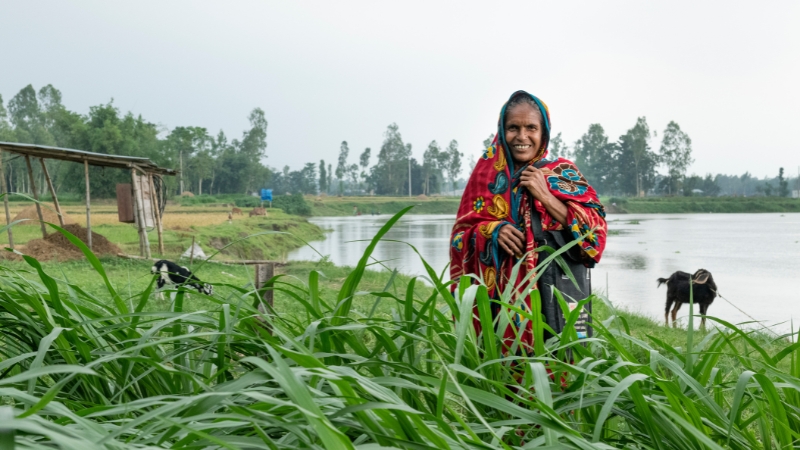
Bangladesh Video
Kämpferinnen: Ehemalige Fistelbetroffene erzählen ihre Geschichte
Women’s Hope hat zwei Fistelüberlebende in Bangladesch gefragt, wie die Geburtsverletzung ihr Leben verändert hat und wie sie weiterhin damit umgehen.
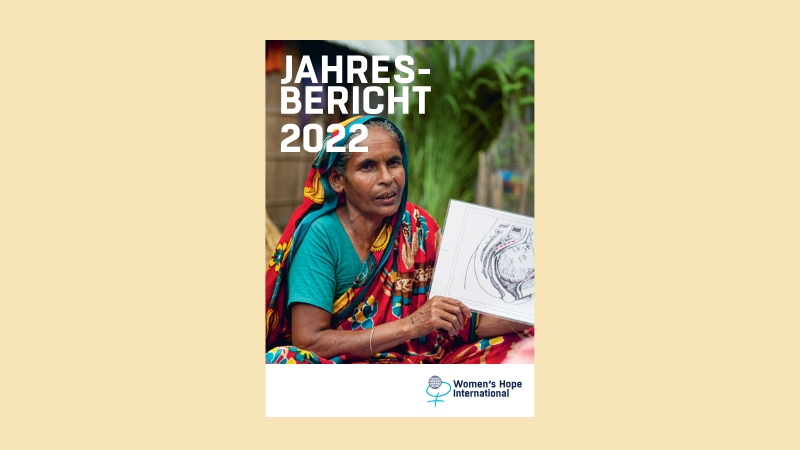
Annual Reports
Jahresbericht 2022
Der Jahresbericht informiert dich über die Projekte des vergangenen Geschäftsjahrs und zeigt, was wir gemeinsam bewirkt haben.
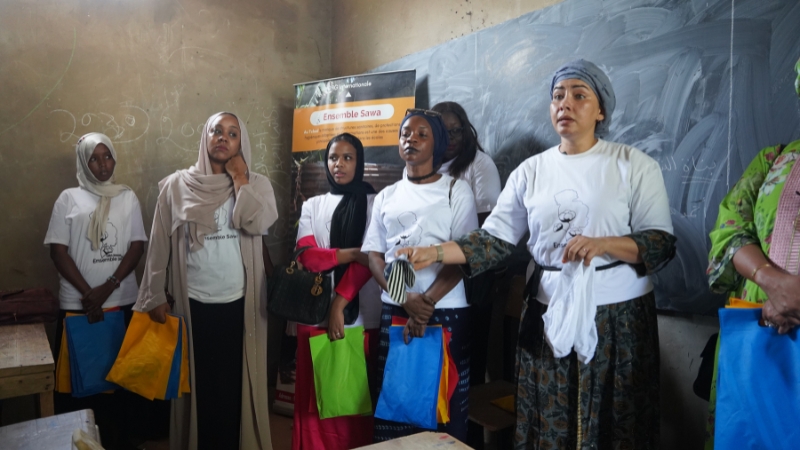
Context
Weshalb wir über Menstruation reden müssen
Fast die Hälfte der Weltbevölkerung menstruiert, hat menstruiert oder wird menstruieren. Und doch ist das Thema weltweit noch immer mit vielen Tabus versehen. Als wichtiger Bestandteil der sexuellen und reproduktiven Gesundheit tangiert das Thema Menstruation die Arbeit und die Anliegen von Women’s Hope direkt.
Afghanistan
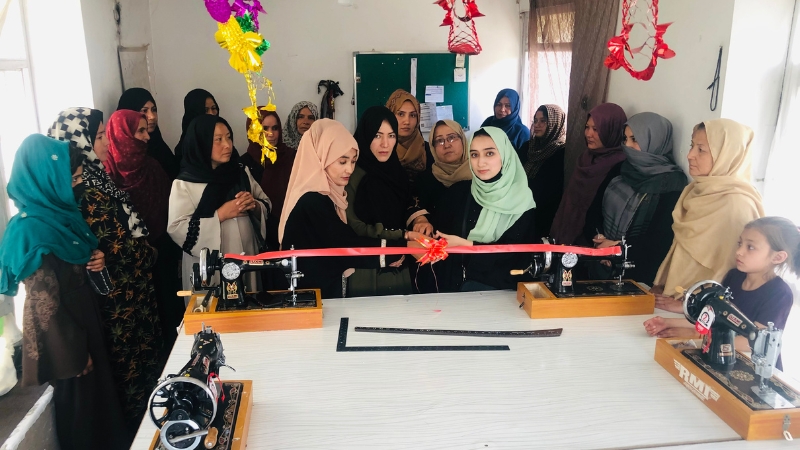
Afghanistan: Interview mit der Projektleiterin Parisa H.
Parisa H., Direktorin der afghanischen Partnerorganisation WHSA, welche das Projekt zur Beendigung von Kinderehen leitete, hat uns im Rahmen der diesjährigen Mitgliederversammlung besucht und von der aktuellen Situation in Afghanistan berichtet. Das Projekt musste im vergangenen Herbst unterbrochen werden.
annual Reports
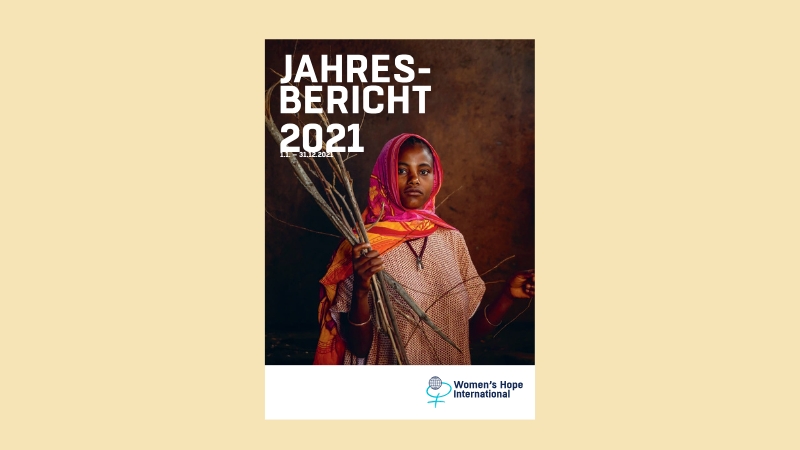
Jahresbericht 2021
Der Jahresbericht informiert dich über die Projekte des vergangenen Geschäftsjahrs und zeigt, was wir gemeinsam bewirkt haben.
Annual Reports
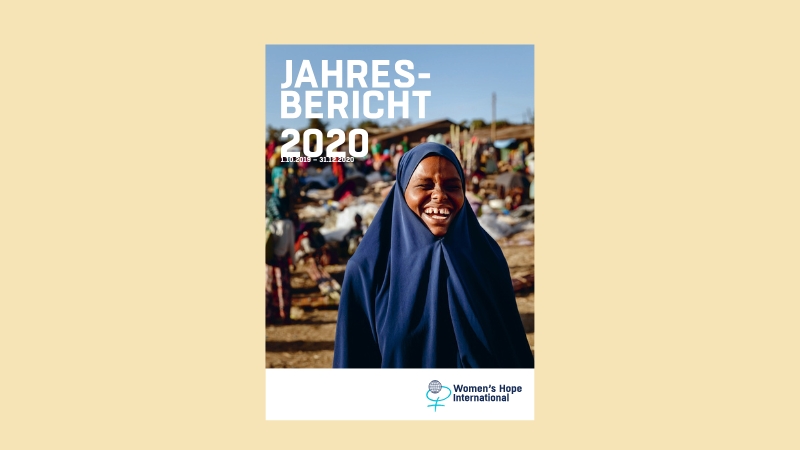
Jahresbericht 2020
Der Jahresbericht informiert dich über die Projekte des vergangenen Geschäftsjahrs und zeigt, was wir gemeinsam bewirkt haben.
Annual Reports
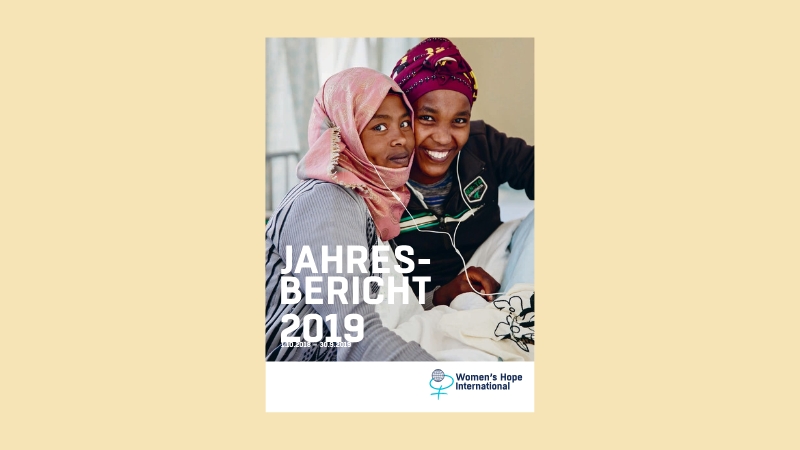
Jahresbericht 2019
Der Jahresbericht informiert dich über die Projekte des vergangenen Geschäftsjahrs und zeigt, was wir gemeinsam bewirkt haben.
