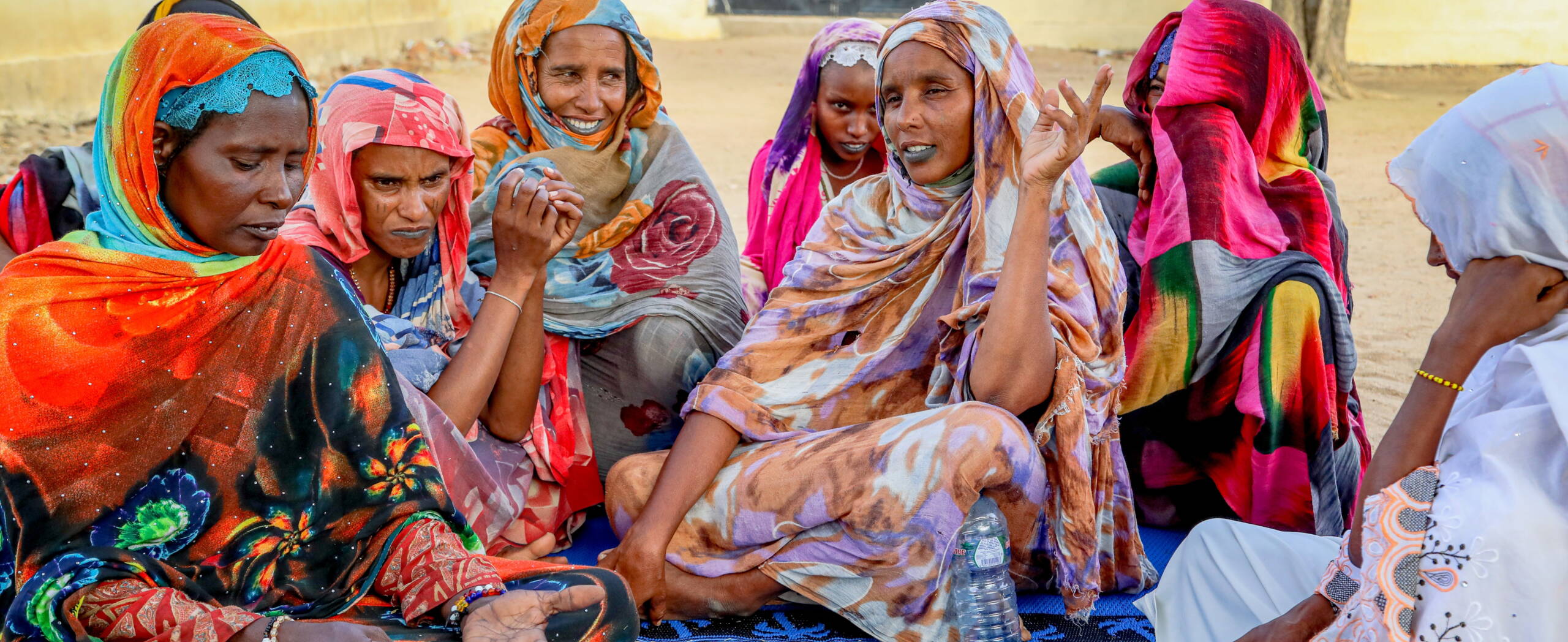
Obstetric fistula is usually caused by prolonged or difficult childbirth without medical assistance and is therefore particularly common in rural areas of Chad. Young girls are especially vulnerable because their bodies are not yet fully developed for pregnancy and childbirth.
Despite a national strategy on obstetric fistula, Chad, one of the world’s poorest countries, lacks the resources and political will to address the issue comprehensively.
The consequences for those affected are devastating: in addition to the profound loss of their child - nine out of ten women lose their baby during childbirth - women suffer from distressing symptoms such as uncontrolled urinary or faecal incontinence.
Many women live in social isolation and poverty. In most cases, these severe injuries can be treated, yet many women are unaware that treatment options exist. Access to information is difficult, as only 14 per cent of women across the country can read.